

Last Updated on April 15, 2026
Are you sure your tires are ready for the season? Choosing the right tires can make a huge difference in your safety and driving comfort.
Summer and winter tires might look similar, but they perform very differently when the temperature changes. Understanding these differences can save you from slippery roads, longer stops, and costly repairs. Keep reading to discover how your tires affect your drive and why picking the right ones matters more than you think.
Tire Composition And Design
Summer and winter tires differ a lot in how they are made. The changes help the tires work better in hot or cold weather. The main differences are in the rubber and the tread design.
These parts affect how the tires grip the road and how safe they are in different seasons. Understanding these can help you choose the right tire.
Rubber Compounds
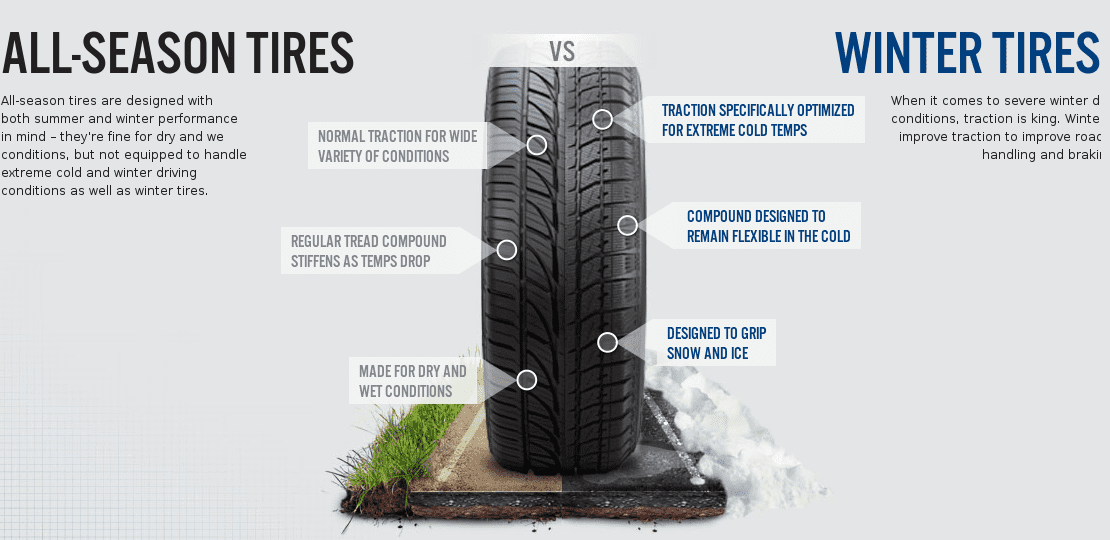
Rubber compounds are the materials used to make tires. Summer tires use a harder rubber that stays firm in warm weather. This helps the tire last longer and grip well on dry roads.
Winter tires use softer rubber. This soft rubber stays flexible in cold weather. It helps the tire grip ice and snow better. Summer tire rubber gets hard and slippery in cold.
- Summer tires: harder rubber for warm weather
- Winter tires: softer rubber for cold weather
- Softer rubber keeps grip on ice and snow
- Hard rubber wears less in heat
Tread Patterns
Tread patterns are the grooves and shapes on the tire surface. Summer tires have fewer grooves and larger tread blocks. This design helps with better contact on dry roads.
Winter tires have many small grooves called sipes. These sipes help grip snow and ice. The tread also has deeper grooves to push away snow and water.
- Summer tires: wide blocks, fewer grooves
- Winter tires: many sipes for better grip
- Deeper grooves in winter tires remove snow
- Tread design helps control and safety

Credit: www.reddit.com
Performance In Temperature Extremes
Tires react differently to hot and cold temperatures. Choosing the right tire helps your car perform well all year.
Summer and winter tires have unique designs. These designs affect grip and safety in extreme weather.
Grip On Hot Roads
Summer tires use a hard rubber compound. This keeps them firm on hot asphalt. It helps prevent tire wear and improves control.
- Summer tires have shallow tread patterns for more road contact.
- They resist heat buildup better than winter tires.
- Soft rubber in winter tires wears out quickly on hot roads.
- Summer tires offer better cornering and braking in warm weather.
Traction On Snow And Ice
Winter tires use a soft rubber that stays flexible in cold. This helps them grip snow and ice better than summer tires.
| Tire Type | Snow Traction | Ice Traction | Cold Temperature Flexibility |
|---|---|---|---|
| Winter Tires | High | High | Excellent |
| Summer Tires | Low | Low | Poor |
Safety Considerations
Choosing the right tires is important for your safety on the road. Summer and winter tires have different features to keep you safe in different weather.
Understanding how these tires work helps you make better choices for braking and handling.
Braking Efficiency
Summer tires are made for warm and dry roads. They stop quickly on hot pavement but lose grip in cold or icy conditions. Winter tires have special rubber that stays soft in cold weather. This helps them stop faster on snow and ice.
| Tire Type | Best Braking Conditions | Braking Performance |
| Summer Tires | Dry and warm roads | Excellent |
| Winter Tires | Snow and ice | Superior |
Handling And Stability
Handling means how well your car responds to steering. Stability means how steady your car stays on the road. Summer tires give good control on dry roads. Winter tires have deeper treads to grip snow and ice better.
- Summer tires work well on hot, dry, and wet roads.
- Winter tires provide better traction on ice and snow.
- Winter tires reduce slipping and sliding in cold weather.
- Using the right tires improves overall vehicle control.

Credit: www.mountainfirewheels.com
Durability And Wear
Summer and winter tires are made from different materials. This affects how long they last and how they wear down. Choosing the right tire for the season helps your tires last longer.
Understanding how durability and wear differ between these tires can save money and keep you safe on the road.
Tread Life
Summer tires use harder rubber to handle hot roads. This makes their tread last longer in warm weather. But they wear faster in cold temperatures.
Winter tires have softer rubber to stay flexible in cold. This helps grip snow and ice. Their tread wears out quicker on dry or warm roads.
- Summer tires last longer on hot pavement
- Winter tires wear faster on warm, dry roads
- Using the wrong tire in a season speeds up tread wear
Seasonal Usage Impact
Using summer tires in winter can cause quick wear and damage. The cold makes the rubber stiff and brittle. This reduces tire life.
Winter tires used in summer wear out fast. The hot pavement wears down the soft rubber quickly. This lowers how long the tire lasts.
- Always use tires suited for the current season
- Switching tires each season helps maintain durability
- Proper seasonal use prevents uneven tread wear
Credit: www.agincourtmazda.ca
Frequently Asked Questions
What Makes Summer Tires Different From Winter Tires?
Summer tires have harder rubber for warm roads. Winter tires are softer for cold, snowy conditions.
Can I Use Summer Tires In Winter?
Summer tires lose grip in cold and snow. It’s unsafe to use them in winter weather.
Why Do Winter Tires Have Deeper Treads?
Deeper treads help winter tires grip snow and ice better. They also channel water away to prevent slipping.
Do Summer Tires Wear Faster In Winter?
Yes, summer tires harden and wear out quickly in cold weather. This reduces their lifespan and safety.
How Do Tire Rubber Compounds Affect Performance?
Rubber compounds in tires change with temperature. Soft rubber in winter tires stays flexible in cold; hard rubber in summer tires works best in heat.
Conclusion
Summer and winter tires serve different purposes. Summer tires work best on warm, dry roads. Winter tires provide better grip on snow and ice. Using the right tires keeps you safer while driving. It also helps your car perform well in all weather.
Changing tires with the seasons protects your investment. Remember, good tires can prevent accidents and save money. Choose wisely for a smooth and safe ride every year.