

Last Updated on April 15, 2026
Have you ever wondered how much life your tires really have left? Understanding what tire tread depth is can save you from unexpected dangers on the road.
Your tire tread isn’t just about grip—it’s a key factor in your safety, fuel efficiency, and overall driving comfort. If you don’t know how to check it or why it matters, you could be risking more than just a flat tire.
Keep reading to learn exactly what tire tread depth is, how it affects your driving, and why you should start paying close attention to it right now.
Tire Tread Basics
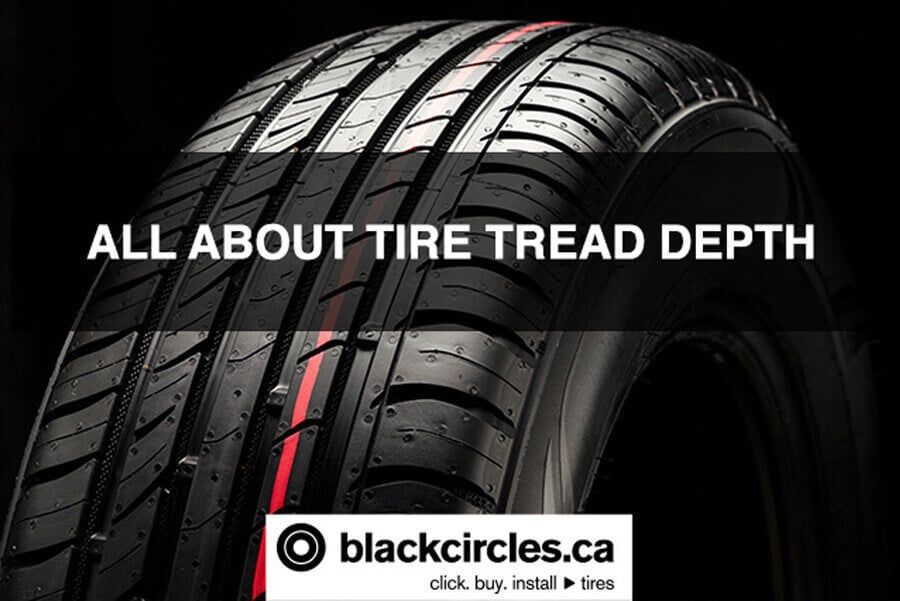
Tire tread depth is the measurement of the grooves on a tire’s surface. It plays a key role in how a tire performs on the road. Understanding tread depth helps you know when to replace your tires.
Tires with good tread grip the road better. This improves safety and driving control. Let’s look closer at what tread depth means and how it affects traction.
What Is Tread Depth
Tread depth is the distance from the top of the tread to the bottom of the tire grooves. It is usually measured in 32nds of an inch. New tires typically start with 10/32″ to 12/32″ tread depth.
- New tires have deep grooves for water and debris to escape
- As tires wear, tread depth decreases
- Legal minimum tread depth is often 2/32″
- Low tread depth means less grip on wet or slippery roads
How Tread Affects Traction
Tread helps tires grip the road by channeling water away. This reduces the risk of hydroplaning. Good tread depth also improves braking and handling on different surfaces.
| Traction Factor | Effect of Tread Depth |
| Wet Roads | Deeper tread improves water channeling and grip |
| Dry Roads | Moderate tread provides solid contact with the road |
| Snow and Ice | Deeper, specially designed tread improves traction |
| Braking Distance | More tread reduces stopping distance |
Credit: www.blackcircles.ca
Measuring Tread Depth
Tire tread depth is the thickness of the rubber grooves on a tire. It affects how well your tires grip the road. Measuring tread depth helps you know when to replace tires.
Checking tread depth is easy with the right tools. Regular checks keep you safe while driving in all weather conditions.
Tools For Checking Tread
You can measure tread depth using simple tools. The most common ones include tread depth gauges and coins. Each tool shows how much tread is left on your tires.
- Tread Depth Gauge:A small tool that fits into the grooves. It gives an exact reading in millimeters or 32nds of an inch.
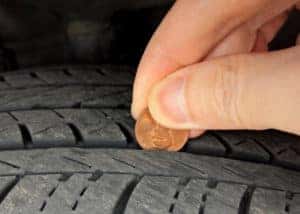
- Penny Test:Insert a penny into the tread with Lincoln’s head upside down. If you see all of Lincoln’s head, the tread is too low.
- Quarter Test:Place a quarter in the tread with Washington’s head down. If the tread covers part of the head, your tires are safer than the penny test shows.
Safe Tread Depth Limits
Tire tread wears down over time. It is important to know the minimum safe tread depth to drive safely. Below this limit, your tires lose grip and increase accident risk.
| Tread Depth | Condition | Action |
|---|---|---|
| Above 4/32 inch (3.2 mm) | Good tread depth | Safe for all driving conditions |
| 3/32 inch (2.4 mm) | Warning level | Consider replacing soon |
| 2/32 inch (1.6 mm) or less | Illegal and unsafe | Replace immediately |
Signs Of Worn Tires
Knowing when your tires are worn helps keep you safe on the road. Worn tires have less grip, which can cause accidents.
Look for clear signs to check if your tires need replacing. This guide shows what to watch for.
Visual Indicators
Visual signs tell you if tires are worn out. Check the tread depth and look for damage or uneven wear.
- Tread wear bars visible between grooves
- Cracks or cuts on the tire surface
- Bald spots with no tread left
- Bulges or blisters on the tire sidewall
- Uneven tread wear on one side
Impact On Driving Safety
Worn tires affect how your car handles and stops. They increase the risk of skidding and hydroplaning.
| Safety Issue | Effect of Worn Tires |
|---|---|
| Braking Distance | Longer stopping distance on wet or dry roads |
| Steering Control | Reduced ability to steer sharply or avoid obstacles |
| Hydroplaning Risk | Higher chance of losing traction on wet surfaces |
| Tire Blowouts | Increased risk of sudden tire failure at high speeds |

Credit: www.youtube.com
Maintaining Optimal Tread
Tire tread depth is the measure of the grooves on your tires. It helps your car grip the road and stay safe. Keeping good tread depth is important for driving in rain and snow.
Worn-out tread can cause slipping and longer stopping times. Check your tire tread often to keep your car safe and your tires lasting longer.
Tips For Extending Tire Life
Proper care helps your tires last longer and keeps tread depth strong. Small actions can protect your tires from wearing out too fast.
- Check tire pressure regularly and keep it at the right level.
- Rotate your tires every 5,000 to 7,000 miles to wear evenly.
- Keep your wheels aligned to avoid uneven tread wear.
- Avoid hard braking and fast cornering to reduce tread damage.
- Inspect tires for cuts or punctures and fix them quickly.
When To Replace Tires
Replace your tires when the tread depth is too low. Low tread can cause accidents, especially in wet conditions.
Use a tread depth gauge or the penny test to check. If the tread is less than 2/32 of an inch, it is time to get new tires.
- Look for tread wear indicators, small bars between the grooves.
- Replace tires if you see cracks or bulges on the sidewalls.
- Change tires every six years even if they look good.
- Consider replacing if you notice vibration or poor handling.
Credit: www.toyotaofnorthcharlotte.com
Frequently Asked Questions
What Is Tire Tread Depth And Why Does It Matter?
Tire tread depth is the measure of the grooves on a tire. It helps with grip and safety on roads.
How Do I Check My Tire Tread Depth At Home?
Use a tread depth gauge or a coin test to measure the grooves on your tire.
What Is The Minimum Safe Tire Tread Depth?
Most experts say 2/32 of an inch is the minimum depth for safe driving.
How Does Tire Tread Depth Affect Driving Performance?
Shallow tread reduces traction and increases stopping distance, especially on wet or slippery roads.
When Should I Replace My Tires Due To Tread Wear?
Replace tires when tread depth reaches 2/32 inch or if you see uneven wear or damage.
Conclusion
Tire tread depth keeps you safe on the road. It helps your car grip the pavement better. Shallow treads can cause slipping and accidents. Checking tread depth often is smart and easy. Replace tires when the tread gets too low.
Good tread means better control and shorter stops. Remember, safe tires protect you and your passengers. Stay aware of your tire condition every time you drive. Simple steps keep your rides smooth and secure.