

Last Updated on April 15, 2026
Have you ever wondered how mechanics measure the power of an engine or the strength of a machine? That’s where a dynamometer comes in.
It’s a tool that can reveal exactly how much force or power something produces. Understanding what a dynamometer is and how it works can give you a clear edge—whether you’re tuning your car, testing equipment, or just curious about mechanics.
Keep reading, and you’ll discover everything you need to know about this fascinating device.
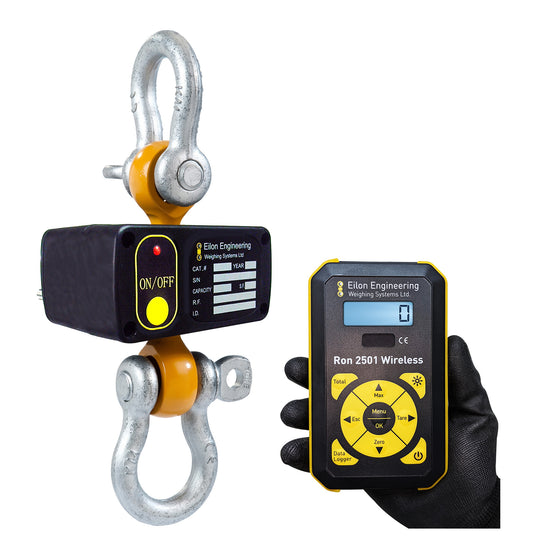
Credit: www.eilon-engineering.com
Types Of Dynamometers
A dynamometer is a device that measures force, torque, or power. It helps test engines and machines.
There are different types of dynamometers. Each type works for specific uses and machines.
Engine Dynamometers
Engine dynamometers measure the power of an engine alone. They do not test the whole vehicle.
These dynamometers connect directly to the engine. They check torque and horsepower at different speeds.
- Used to test engines in labs or workshops
- Help improve engine performance and fuel efficiency
- Provide precise engine data without vehicle load
Chassis Dynamometers
Chassis dynamometers measure power at the wheels. The vehicle is driven onto rollers for testing.
This type tests the whole vehicle, including transmission and tires. It shows real-world performance.
- Used for emissions testing and tuning
- Measures power loss through the drivetrain
- Simulates road conditions in a controlled setting
Handheld Dynamometers
Handheld dynamometers are small, portable devices. They measure force or torque in manual tasks.
These tools are used in physical therapy, sports, and small machinery testing. They give quick readings.
- Easy to carry and use anywhere
- Measure grip strength or muscle force
- Help track progress in rehabilitation
How Dynamometers Measure Power
A dynamometer is a tool used to measure the power of engines and motors. It helps show how much force the machine produces.
This tool measures power by calculating the torque and speed of the engine. These two values tell us how strong and fast the engine works.
Torque Measurement
Torque is the twisting force the engine creates. A dynamometer measures this force with sensors or strain gauges.
The device holds the engine’s shaft and records how much it resists turning. This resistance shows the amount of torque.
Rpm And Power Calculation
RPM means revolutions per minute. It tells how fast the engine shaft spins. Dynamometers measure RPM using sensors.
Power is found by multiplying torque by RPM. The formula is simple and shows the engine’s power output.
- Power (Watts) = Torque (Newton-meters) × RPM × 2π / 60
- Higher torque and RPM mean more power
- Power shows how much work the engine can do
Data Accuracy Factors
Accuracy depends on good sensors and proper calibration. Errors can happen if parts are worn or dirty.
Temperature, vibrations, and setup also affect the results. Careful testing keeps data reliable and clear.
- Use well-maintained sensors
- Calibrate equipment regularly
- Control test environment conditions
- Check for mechanical wear or damage
Applications Of Dynamometers
Dynamometers are tools used to measure force, torque, or power. They help test engines and machines to see how well they work.
People use dynamometers in many fields to check performance and safety. Below are some common uses.
Automotive Testing
In automotive testing, dynamometers measure engine power and torque. This helps makers improve car engines and parts.
Dynamometers also test vehicles under different conditions. This shows how cars perform on roads or tracks.
- Check engine strength
- Test fuel efficiency
- Measure emissions output
- Simulate road conditions
Industrial Equipment
Industries use dynamometers to test machines like motors and pumps. This ensures the equipment works safely and well.
They help find faults early by measuring force and power during operation. This reduces downtime and repair costs.
- Test motor power output
- Check machine load capacity
- Monitor performance over time
- Detect mechanical problems
Sports Science
In sports science, dynamometers measure muscle strength and endurance. This helps trainers plan better workouts.
Athletes use them to track progress and prevent injuries. The data guides recovery and training intensity.
- Measure grip and limb strength
- Assess muscle fatigue
- Track rehabilitation progress
- Improve training programs

Credit: www.youtube.com
Choosing The Right Dynamometer
A dynamometer measures force, torque, or power in machines and engines. Choosing the right one depends on your needs and equipment.
This guide covers key points to help you pick the best dynamometer for your work.
Purpose And Requirements
Identify what you want to measure and the range of forces involved. Different types suit different tasks.
- Torque measurement for engines or motors
- Force measurement for materials testing
- Power measurement for performance tuning
- Size and weight limits of the dynamometer
- Compatibility with your equipment
Cost Considerations
| Type | Price Range | Typical Use |
| Strain Gauge | $$$ | High accuracy torque measurement |
| Hydraulic | $$ | Medium range force and power testing |
| Spring | $ | Simple force measurement, low cost |
Choose a dynamometer that fits your budget but still meets your accuracy needs.
Maintenance And Calibration
Regular care keeps your dynamometer accurate and extends its life.
- Calibrate the device at set intervals
- Keep it clean and dry
- Check for wear or damage before use
- Store in a safe place away from shocks
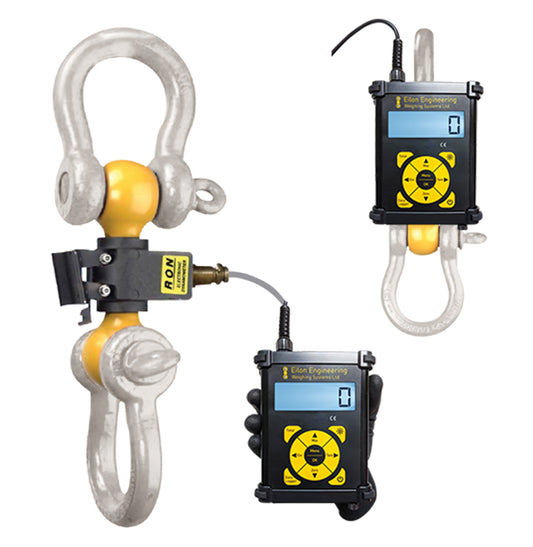
Credit: www.eilon-engineering.com
Frequently Asked Questions
What Is A Dynamometer Used For?
A dynamometer measures force, torque, or power of engines and machines accurately.
How Does A Dynamometer Work?
It applies load and measures resistance to calculate power or force output.
What Types Of Dynamometers Exist?
Common types include engine, chassis, and handheld dynamometers for different tests.
Why Are Dynamometers Important In Engine Testing?
They help check engine performance and efficiency under controlled conditions.
Can Dynamometers Test Electric Motors Too?
Yes, they measure power and torque of electric motors effectively.
Conclusion
A dynamometer measures force, power, or torque in machines. It helps check engine performance and efficiency. Using one can save time and money on repairs. Many industries rely on dynamometers for testing and quality control. Understanding its purpose makes equipment maintenance easier.
This tool plays a key role in engineering and mechanics. Knowing what a dynamometer does is useful for many jobs. It offers clear and quick results you can trust. A simple device with important uses in many fields.