

Last Updated on April 15, 2026
When you’re working on your car, every move matters—not just for the job itself, but for your safety. Imagine a simple slip or unexpected spark causing injury.
Could you afford that risk? Personal safety gear is not just an extra; it’s your shield against accidents that can happen in a split second. You’ll discover why protecting yourself with the right gear is the smartest step you can take before picking up any tool.
Keep reading to learn how to stay safe and confident during every auto repair task you tackle.
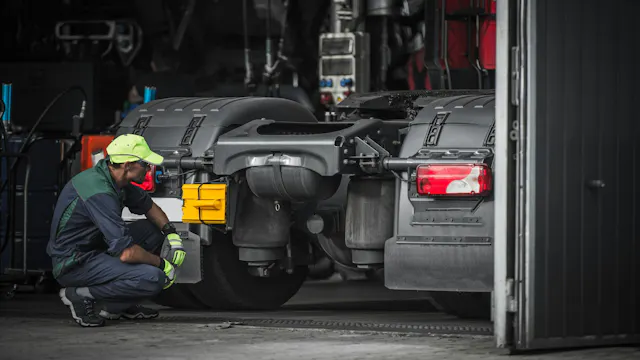
Credit: www.fleetowner.com
Key Personal Safety Gear
Personal safety gear protects auto repair workers from injuries. Using the right gear reduces risks on the job.
Each type of gear plays a special role in keeping workers safe. Learn about the main safety equipment used in auto repair.
Gloves And Hand Protection
Gloves protect hands from cuts, burns, and chemicals. They also improve grip on tools and parts. Choose gloves made for the task, like nitrile for chemicals or leather for heavy work.
Eye And Face Shields
Eye and face shields stop flying debris and fluids from harming your eyes and face. Safety glasses or full shields are important when grinding, welding, or working with liquids.
- Safety glasses with side shields
- Face shields for sparks and splashes
- Goggles for chemical protection
Hearing Protection Devices
Noise from machines and tools can cause hearing loss. Earplugs or earmuffs reduce harmful sound levels. Use them during loud tasks to protect hearing health.
| Type | Description | Use Case |
| Earplugs | Small foam or silicone plugs | General loud environments |
| Earmuffs | Cups that cover ears fully | High noise levels or longer use |
Protective Clothing And Footwear
Clothing and shoes shield skin and feet from hazards. Flame-resistant clothes protect from sparks. Steel-toed boots prevent foot injuries from heavy objects.
- Flame-resistant coveralls
- Long sleeves and pants
- Steel-toed safety boots
- Non-slip soles for good grip
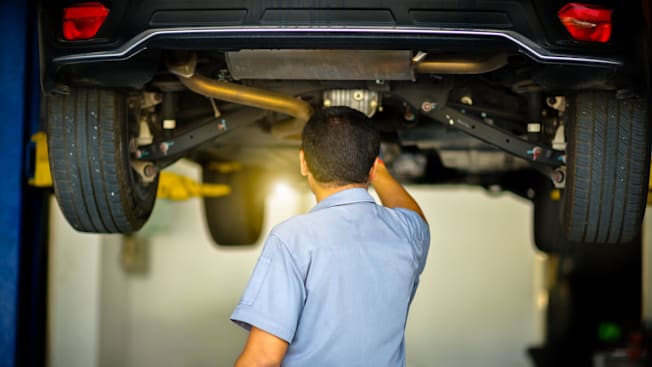
Credit: www.consumerreports.org
Hazards In Auto Repair
Auto repair work involves many risks that can harm workers. Personal safety gear is important to reduce these dangers.
This section explains common hazards found in auto repair shops and why safety gear matters.
Chemical Exposure Risks
Auto repair workers handle many chemicals. These include oils, paints, solvents, and cleaning agents.
- Skin contact can cause irritation or burns.
- Breathing fumes may harm the lungs or cause dizziness.
- Spills can lead to fire or environmental damage.
- Proper gloves and masks lower chemical exposure.
Mechanical And Physical Dangers
Moving parts and heavy tools pose risks of injury. Cuts, bruises, and broken bones are common.
| Hazard | Possible Injury | Protective Gear |
| Sharp tools | Cuts, punctures | Gloves, protective clothing |
| Heavy parts | Crush injuries | Steel-toed boots, lifting aids |
| Slippery floors | Falls, sprains | Non-slip footwear |
Noise And Vibration Effects
Auto repair shops are noisy places. Loud machines can damage hearing over time.
Vibration from tools can cause hand pain and reduce grip strength.
Workers should use ear protection and vibration-damping gloves.
Choosing The Right Gear
Personal safety gear protects workers during auto repair tasks. Choosing the right gear reduces injury risks and improves work quality.
Consider key factors like material, fit, and industry standards when selecting safety equipment. Proper gear keeps you safe and comfortable.
Material And Durability Considerations
Safety gear must be made from strong materials that resist wear and tear. Durable gear lasts longer and protects better.
- Look for materials like leather, Kevlar, or heavy-duty fabrics.
- Check if the gear can resist cuts, heat, and chemicals.
- Choose items that are easy to clean and maintain.
Proper Fit And Comfort
Gear must fit well to provide full protection and comfort. Ill-fitting gear can cause accidents or reduce focus.
| Gear Type | Fit Tips |
| Gloves | Snug but flexible fingers |
| Safety Glasses | Close to face without gaps |
| Protective Clothing | Allow movement without tight spots |
Industry Standards And Certifications
Certified safety gear meets strict quality and safety tests. These standards ensure reliable protection.
Common certifications to check:
- ANSI (American National Standards Institute)
- OSHA (Occupational Safety and Health Administration)
- CE (Conformité Européenne)
Always buy gear with clear certification labels.
Maintenance And Usage Tips
Personal safety gear protects you from injuries during auto repair. Keeping this gear in good shape is very important. Proper use and care help it work well every time.
Follow simple tips to maintain your safety gear. This will make sure it lasts longer and keeps you safe.
Regular Inspection And Replacement
Check your safety gear before each use. Look for cracks, tears, or worn parts that may cause failure. Replace any damaged gear right away.
- Inspect gloves for holes or thinning
- Check goggles for scratches or cloudiness
- Look at helmets for cracks or dents
- Replace gear that shows signs of damage
Correct Wearing Techniques
Wear your safety gear correctly to get full protection. Follow the instructions for each item carefully. Make sure the gear fits well and feels comfortable.
- Gloves should fit snugly without tightness
- Goggles must cover your eyes fully
- Helmets should sit level and strap securely
- Wear long sleeves and pants to protect skin
Storage And Cleaning Practices
Store your safety gear in a clean, dry place. Avoid exposure to sunlight and chemicals. Clean gear after use to remove dirt and oil.
- Use mild soap and water for cleaning
- Dry gear completely before storing
- Keep gear away from heat sources
- Organize gear to prevent damage
Credit: www.falltech.com
Frequently Asked Questions
What Are The Essential Personal Safety Gear Items For Auto Repair?
Basic gear includes gloves, safety glasses, ear protection, and steel-toed boots for protection.
How Does Personal Safety Gear Prevent Injuries In Auto Repair?
It blocks cuts, burns, noise damage, and falling objects to keep you safe.
Why Is Wearing Gloves Important During Auto Repair Work?
Gloves protect hands from chemicals, sharp parts, and hot surfaces.
Can Safety Glasses Protect Against Common Auto Repair Hazards?
Yes, they shield eyes from dust, sparks, and flying debris.
How Often Should Personal Safety Gear Be Replaced Or Checked?
Check gear before each use and replace if worn out or damaged.
Conclusion
Personal safety gear protects you from many risks in auto repair. Wearing gloves, goggles, and masks keeps your body safe. It helps prevent cuts, burns, and harmful dust. Safety gear also improves your focus and work quality. Staying safe means finishing jobs without injury or delay.
Always choose the right gear for each task. Your health matters most in every repair job. Keep safety gear close and use it every time. Safety is simple but powerful. Protect yourself well and work with confidence.