

Last Updated on April 15, 2026
Owning a hybrid car means you’re making a smart choice for both your wallet and the environment. But to keep your car running smoothly and efficiently, you need to know how to maintain it properly.
If you want to avoid costly repairs and enjoy the full benefits of your hybrid, this guide is for you. Read on, and you’ll discover simple, practical tips to keep your hybrid car in top shape—saving you time, money, and stress.
Your car deserves the best care, and you deserve peace of mind every time you hit the road.
Hybrid Battery Care
Hybrid cars have special batteries that need care. Proper battery care keeps the car running well.
Taking care of the hybrid battery helps the car save fuel and reduces pollution.
Charging Best Practices
Charge the hybrid battery regularly to keep it healthy. Avoid letting the battery fully drain.
Use the car’s built-in charging system or a recommended charger. Do not overcharge or leave it plugged in too long.
- Charge battery after moderate use, not just when empty
- Park in a cool, shaded place during charging
- Keep charging port clean and dry
- Avoid fast charging too often
Signs Of Battery Wear
Watch for warning lights on the dashboard that show battery issues. The car may lose power or run less smoothly.
Other signs include shorter electric driving range and slower acceleration. Strange noises or smells can also signal battery wear.
- Dashboard battery warning lights
- Reduced electric driving distance
- Slower or uneven acceleration
- Unusual noises or smells near the battery
Battery Replacement Tips
Replace the hybrid battery when signs of wear become serious. Use a battery approved by the car maker.
Have a professional check the battery before replacement. Proper disposal of old batteries is important for safety and environment.
- Choose the correct battery type for your car model
- Get replacement done by qualified technicians
- Check warranty and service options
- Recycle old batteries properly

Credit: www.youtube.com
Engine And Transmission Maintenance
Maintaining the engine and transmission is key for hybrid cars. Proper care helps your vehicle run smoothly and last longer.
This guide covers important checks and services for your hybrid car’s engine and transmission systems.
Regular Oil Changes
Oil keeps the engine parts moving smoothly and prevents wear. Regular oil changes stop dirt and debris from harming the engine.
- Use the oil type recommended by the car maker.
- Change oil every 5,000 to 7,500 miles.
- Replace the oil filter at each oil change.
- Check oil levels monthly and top up if low.
Transmission Fluid Checks
Transmission fluid lubricates the gears and helps shift smoothly. Low fluid can cause damage or slipping.
| Check Item | Frequency | Notes |
| Fluid Level | Every 10,000 miles | Check while engine is warm |
| Fluid Color | At each service | Should be red or pink, not dark |
| Fluid Replacement | Every 30,000 to 60,000 miles | Use fluid type listed in manual |
Cooling System Upkeep
The cooling system stops the engine from overheating. It also protects battery and electric components in hybrids.
Follow these tips to keep your cooling system working well:
- Check coolant level monthly and refill with the right mix.
- Inspect hoses and radiator for leaks or cracks.
- Flush and replace coolant every 2 to 4 years.
- Watch temperature gauge and warning lights on the dashboard.
Tire And Brake Care
Maintaining tires and brakes is important for hybrid cars. Proper care keeps your vehicle safe and efficient.
Regular checks and simple habits extend the life of these parts. Learn how to care for tires and brakes below.
Tire Rotation And Pressure
Rotate your tires every 5,000 to 7,000 miles. This helps them wear evenly and last longer.
- Check tire pressure monthly.
- Use the pressure recommended in your car’s manual.
- Underinflated tires reduce fuel efficiency.
- Overinflated tires cause uneven wear.
- Adjust pressure when tires are cold for best accuracy.
Regenerative Braking Tips
Hybrid cars use regenerative braking to save energy. Use it smoothly to protect brake parts.
Press the brake pedal gently to activate regenerative braking. This reduces wear on the brake pads.
| Tip | Benefit |
| Brake softly | Extends brake pad life |
| Use cruise control on highways | Maintains steady speed, saves energy |
| Drive at moderate speeds | Improves energy recovery |
Brake Pad Inspection
Check brake pads every 10,000 miles. Worn pads reduce braking power and can damage rotors.
- Look for thin pads less than 3 mm thick.
- Listen for squealing or grinding sounds.
- Feel if the brake pedal is soft or spongy.
- Replace pads if you notice any of these signs.

Credit: ev-lectron.com
Software And System Updates
Hybrid cars rely on software to manage their systems efficiently. Keeping this software up to date helps the car run smoothly and safely.
Regular updates fix bugs, improve features, and can even boost fuel efficiency. Let’s explore how to maintain these updates.
Firmware Upgrades
Firmware controls the hardware parts of your hybrid car. Upgrading firmware improves performance and fixes known issues. Car makers release these upgrades periodically.
- Check for firmware updates in your car’s settings menu.
- Use a stable Wi-Fi connection for downloading updates.
- Follow the prompts carefully during installation.
- Do not turn off the car or disconnect power during the update.
- Visit your dealer if automatic updates fail.
Diagnostic Tools Use
Diagnostic tools help identify software or system problems early. These tools read error codes and system status to find issues.
| Tool Type | Purpose | How to Use |
| OBD-II Scanner | Reads engine and system codes | Plug into car port and use app |
| Manufacturer App | Monitors car health and updates | Connect via Bluetooth or Wi-Fi |
| Dealer Diagnostic | Full system check and repair | Visit service center |
Maintaining Connectivity Features
Connectivity features let you control and monitor your hybrid car remotely. Keeping these features active requires good system upkeep.
Tips to maintain connectivity:
- Keep your car’s software updated to support apps.
- Ensure your phone and car have paired correctly.
- Regularly check Wi-Fi or cellular signal strength.
- Restart the car’s infotainment system if features stop working.
- Secure your accounts with strong passwords.
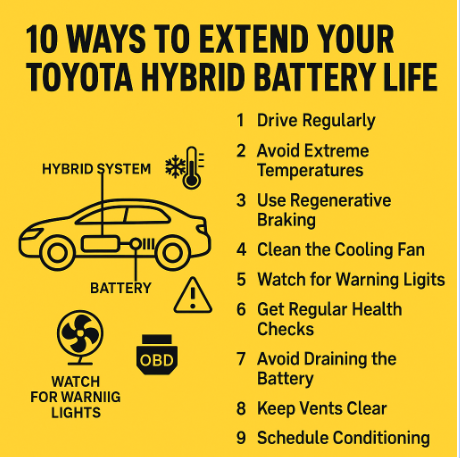
Credit: www.hybridautomotives.com.au
Frequently Asked Questions
How Often Should I Check The Hybrid Car Battery?
Check the hybrid battery every 10,000 to 15,000 miles to ensure proper performance and longevity.
What Maintenance Is Unique To Hybrid Cars?
Hybrid cars need regular battery checks, coolant for the battery, and brake system inspections.
Can I Use Regular Oil For My Hybrid Car?
Use the oil grade recommended in your car’s manual for the best engine performance.
How Do Regenerative Brakes Affect Hybrid Car Maintenance?
Regenerative brakes reduce wear, meaning brake pads last longer and need less frequent replacement.
Is It Necessary To Service The Hybrid System Separately?
Yes, servicing the hybrid system regularly helps keep the electric motor and battery healthy.
Conclusion
Maintaining a hybrid car keeps it running smoothly and saves money. Regular checks of the battery and engine are very important. Clean the car often to prevent damage and rust. Use the right fuel and tires for better performance. Small steps can extend your car’s life.
Take care today for a reliable ride tomorrow. Simple habits make a big difference in hybrid car care. Keep your car healthy and enjoy every drive.