

Last Updated on April 15, 2026
Have you ever noticed those reddish-brown spots creeping onto your car’s surface? That’s rust slowly taking hold.
Rust doesn’t just make your vehicle look old and worn out—it can cause serious damage that affects safety and value. Understanding how rust forms on your vehicle is the first step to stopping it before it spreads. You’ll discover exactly what causes rust, why your car is vulnerable, and what you can do to protect your ride.
Keep reading to learn how to keep your vehicle looking great and running strong for years to come.
Rust Formation Process
Rust forms on vehicles when metal parts react with water and air. This reaction causes the metal to break down and change color.
Understanding how rust forms helps car owners protect their vehicles better. It starts with small changes on the metal surface.
Chemical Reaction Behind Rust
Rust forms from a chemical reaction called oxidation. Iron in the metal reacts with oxygen and water.
This reaction creates iron oxide, which looks like reddish-brown flakes. This process weakens the metal over time.
- Iron atoms lose electrons to oxygen
- Water helps move electrons during the reaction
- Iron oxide forms and spreads on the metal surface
- The metal becomes brittle and breaks down
Common Areas For Rust On Vehicles
Rust often appears in places where water and dirt collect. These spots stay wet longer, speeding up rust formation.
Checking these areas regularly helps catch rust early. Early treatment can stop rust from spreading.
- Wheel wells
- Underneath doors
- Car frame and chassis
- Hood and trunk edges
- Around windshield and windows
- Underneath the vehicle
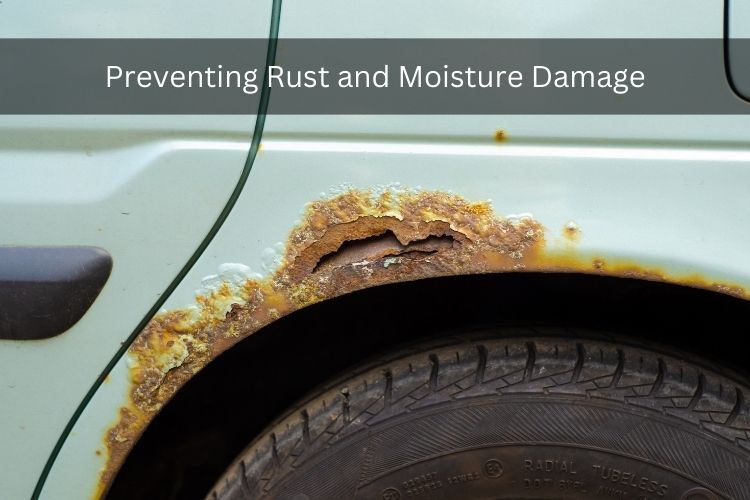
Credit: carcapsule.com
Environmental Factors
Rust forms on vehicles when metal reacts with certain environmental elements. These elements include moisture, salt, and temperature changes. Understanding these factors helps protect vehicles from rust damage.
Rust weakens metal parts and can cause costly repairs. Environmental factors speed up this process by creating conditions that promote rust formation.
Impact Of Moisture And Salt
Moisture is a main cause of rust on vehicles. Water reacts with metal and oxygen to start rusting. Salt makes this worse by speeding up the reaction.
Salt comes from road salt in winter and salty air near oceans. It makes metal lose its protective layer faster. This lets rust form more quickly on cars.
- Water causes metal to oxidize and rust
- Salt increases metal corrosion speed
- Vehicles near oceans rust faster due to salty air
- Road salt in winter damages metal parts
Effect Of Temperature Changes
Temperature changes cause metal to expand and contract. This movement can crack paint and protective layers on vehicles. Once cracked, moisture and salt reach the metal easily.
Cold weather can make metal brittle, increasing rust risk. Warm weather speeds up the rusting process by increasing chemical reactions.
- Metal expands in heat and contracts in cold
- Cracked paint lets moisture reach metal
- Cold makes metal brittle and weak
- Warm temperatures increase rust speed
Vehicle Maintenance Habits
Rust forms on vehicles when metal meets moisture and oxygen. This process can cause damage over time.
Good maintenance habits help slow rust and keep vehicles in good shape.
Importance Of Regular Cleaning
Cleaning your vehicle removes dirt, salt, and grime. These materials can speed up rust formation.
- Wash your car regularly, especially after winter or rain.
- Clean the undercarriage to remove trapped salt and mud.
- Dry the vehicle to prevent water spots and corrosion.
- Check and clean wheel wells where dirt collects.
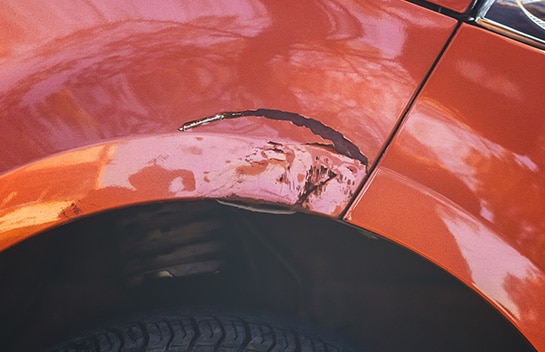
Protective Coatings And Treatments
Coatings create a barrier between metal and moisture. They help stop rust from forming.
| Type of Coating | Benefits | Frequency |
| Wax | Protects paint and repels water | Every 3 months |
| Sealant | Stronger barrier than wax | Every 6 months |
| Undercoating | Protects undercarriage from salt and debris | Once a year |
| Rustproofing Spray | Prevents rust in hard-to-clean areas | Once a year |
Credit: www.oreillyauto.com
Effective Prevention Techniques
Rust forms on vehicles when metal reacts with water and oxygen. It causes damage and weakens the vehicle’s body.
Preventing rust helps keep your vehicle strong and looking good. You can use simple methods to protect it.
Rustproofing Methods
Rustproofing adds a protective layer to your vehicle’s metal parts. This stops water and salt from causing rust.
Common rustproofing options include sprays, coatings, and wax treatments. These create a barrier against moisture.
- Apply rustproof sprays under the car and inside panels
- Use wax or sealants on painted surfaces for extra protection
- Check and touch up chips or scratches quickly
- Consider professional rustproofing services for best results
Storage And Usage Tips
How you store and use your vehicle affects rust formation. Keeping it dry and clean lowers rust risks.
Follow these tips to reduce rust from storage and daily use.
- Park in a garage or covered area to avoid rain and snow
- Wash your vehicle often, especially after road salt exposure
- Dry the vehicle well after washing or rain
- Avoid driving through deep water or mud
- Inspect the vehicle regularly for early rust signs

Credit: automaniacs.us
Frequently Asked Questions
What Causes Rust To Form On Vehicles?
Rust forms when iron in metal reacts with oxygen and water, creating iron oxide.
How Does Moisture Affect Vehicle Rust Formation?
Water speeds up rust by helping oxygen reach metal and start the rusting process.
Can Salt Increase Rust On Cars?
Salt makes rust worse by speeding up metal’s reaction with water and oxygen.
How Long Does It Take For Rust To Appear On Vehicles?
Rust can start forming in days or weeks if metal is exposed to water and air.
What Parts Of A Vehicle Rust First?
Areas with chipped paint, scratches, or trapped water, like wheel wells and undercarriage, rust first.
Conclusion
Rust forms when metal meets water and air over time. This causes tiny holes and weak spots on vehicles. Salt and dirt speed up this process, especially in wet places. Regular cleaning and drying help keep rust away. Using protective coatings adds extra defense for your car.
Catch rust early to stop big damage later. Taking simple steps keeps your vehicle strong and looking good. Rust is common but avoidable with good care. Stay alert and protect your vehicle every day.