

Have you ever noticed your check engine light suddenly turning on and wondered if it’s because of something as simple as an oil change? You’re not alone.
That little warning light can cause a lot of stress, especially when you’re unsure why it appeared. Understanding whether your check engine light can come on for an oil change—and what that means for your car—can save you time, money, and unnecessary worry.
Keep reading to find out the truth and learn what steps you should take next to keep your vehicle running smoothly.
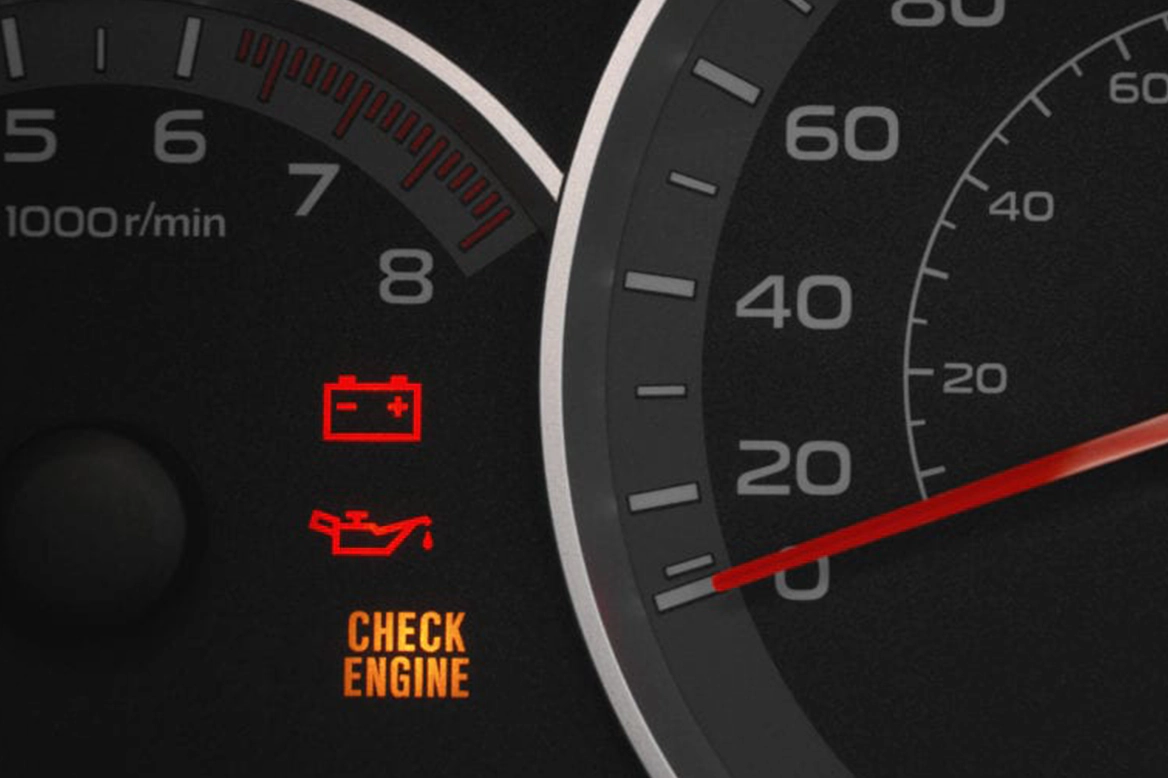
Credit: www.sunautoservice.com
Check Engine Light Basics
The check engine light is a warning signal on your car’s dashboard. It alerts you about problems in the engine or related parts.
This light can turn on for many reasons. Some are serious, while others are simple to fix.
What Triggers The Light
The check engine light can come on due to issues with fuel, air, or engine systems. It may also light up after an oil change if something is wrong.
- Loose or missing gas cap
- Faulty oxygen sensor
- Bad spark plugs or wires
- Problems with the catalytic converter
- Engine misfires
- Low oil level or oil pressure issues
- Wrong oil type or oil not properly filled after change
If the oil change was done incorrectly, the light might come on. For example, the oil sensor might detect low oil or wrong oil type.
Common Misconceptions
Many people think the check engine light only comes on for engine damage. This is not true. It can signal many small issues.
Some believe an oil change always resets the light. This is false. The light stays on until the car’s computer clears the error.
- Check engine light does not mean immediate engine failure.
- Oil change alone does not trigger the light unless there is a problem.
- Resetting the light requires a scan tool or waiting for the system to check itself.
- Ignoring the light can cause bigger problems later.
Oil Change And Engine Light
The check engine light can come on for many reasons. One question is if an oil change can cause it.
This article explains how oil quality and sensors affect the engine light after an oil change.
Oil Quality And Sensor Impact
Old or poor-quality oil can cause engine problems that trigger the check engine light. Fresh oil helps the engine run smoothly.
- Dirty oil can clog sensors and parts.
- High-quality oil protects engine components.
- Oil that does not meet specifications may cause errors.
- Oil additives can affect sensor readings.
When Oil Change Affects The Light
Sometimes the check engine light turns on right after an oil change. This can happen for several reasons.
| Cause | Explanation |
| Loose Oil Cap | Oil cap not tightened can trigger a warning. |
| Wrong Oil Type | Using wrong oil can affect engine sensors. |
| Oil Sensor Fault | Old or dirty sensors may fail after oil change. |
| Reset Needed | Some cars need a reset after oil replacement. |
Diagnosing And Fixing The Issue
The check engine light can turn on for many reasons, including an oil change. It is important to diagnose the issue correctly to avoid costly repairs.
Knowing how to use tools and when to see a professional helps keep your car running well and safe.
Using An Obd-ii Scanner
An OBD-II scanner reads error codes from your car’s computer. This helps find why the check engine light is on after an oil change.
- Plug the scanner into the car’s OBD-II port, usually under the dashboard.
- Turn the ignition key to the ON position without starting the engine.
- Follow the scanner instructions to read the codes.
- Look up the codes in the scanner’s manual or online to understand the problem.
- If codes relate to oil pressure or oil life sensor, the light may be linked to the oil change.
When To See A Mechanic
Some problems need a mechanic’s help. If the check engine light stays on or flashes, it can mean serious trouble.
| Condition | Action |
| Light stays on after oil change | Check oil sensor or reset system |
| Light flashes while driving | Stop driving and see a mechanic |
| Car runs rough or stalls | Get professional diagnosis |
| Codes show unrelated issues | Schedule repair with mechanic |

Credit: www.acg.aaa.com

Credit: www.foxwelldiag.com
Frequently Asked Questions
Can A Check Engine Light Signal An Oil Change?
Yes, some vehicles’ sensors detect oil issues and trigger the check engine light.
Why Does The Check Engine Light Come On After An Oil Change?
It can be due to a loose oil cap or a sensor reset delay.
Does Ignoring The Check Engine Light Risk Engine Damage?
Yes, ignoring it might cause serious engine problems or costly repairs.
Can Low Oil Levels Cause The Check Engine Light To Activate?
Low oil levels can trigger sensors, causing the check engine light to turn on.
How To Reset The Check Engine Light After An Oil Change?
You can reset it by disconnecting the battery or using an OBD-II scanner.
Conclusion
A check engine light can come on for many reasons. Sometimes, it signals that your oil needs changing. Ignoring the light could cause bigger car problems. Regular oil changes keep your engine running smoothly. Always check your oil level and quality on time.
Trust your car’s warning systems to avoid costly repairs. Stay alert, and maintain your vehicle well. Your car will thank you with better performance and longer life.