

Last Updated on August 17, 2026
Have you ever wondered if your windshield wiper fluid can freeze when the temperature drops? It’s a simple question, but the answer could save you from a messy and dangerous drive.
Imagine needing to clear your windshield on a cold morning, only to find that your wiper fluid won’t spray. That’s frustrating—and risky. You’ll discover why windshield wiper fluid can freeze, how it affects your car’s safety, and what you can do to prevent it.
Keep reading to protect your visibility and stay safe on the road this winter.
Credit: www.theglobeandmail.com
Freezing Point Of Wiper Fluid
Windshield wiper fluid helps keep your car’s windshield clean. But in cold weather, this fluid can freeze. Knowing the freezing point helps you choose the right fluid for winter.
Different fluids have different freezing points. This depends on what ingredients are inside the wiper fluid. Let’s look at the common ingredients that affect freezing.
Common Ingredients Affecting Freeze
Wiper fluid contains chemicals that lower its freezing point. Here are some common ingredients that make wiper fluid freeze at different temperatures.
- Water:Pure water freezes at 32°F (0°C). Most wiper fluids mix water with other chemicals.
- Alcohols:Methanol and ethanol help lower the freezing point. They prevent ice from forming.
- Glycols:Ethylene glycol or propylene glycol also lower the freezing point and protect against frost.
- Detergents:These help clean the windshield but do not affect freezing much.
Temperature Thresholds To Consider
Different wiper fluids work at different low temperatures. Choose a fluid based on the coldest temperature you expect to face.
| Type of Fluid | Freezing Point |
| Standard water-based fluid | 32°F (0°C) |
| Winter formula with methanol | as low as -20°F (-29°C) |
| Premium formula with glycol | as low as -50°F (-46°C) |
| De-icer fluids | can remain liquid below -60°F (-51°C) |

Credit: www.canadiantire.ca
Risks Of Frozen Wiper Fluid
Windshield wiper fluid can freeze in cold weather. Frozen fluid causes problems for drivers.
It is important to understand the risks of using frozen wiper fluid. These risks affect safety and the wiper system.
Impact On Visibility And Safety
Frozen wiper fluid stops cleaning your windshield. This reduces your view of the road.
Poor visibility increases the chance of accidents. You may not see other cars or obstacles clearly.
- Frozen fluid blocks dirt and grime removal
- Ice or frost stays on the windshield
- Wipers spread frozen fluid, making visibility worse
Potential Damage To Wiper System
Frozen fluid can cause damage to your wiper system parts. This includes the pump and hoses.
When fluid freezes, it expands and may crack or break components. This leads to costly repairs.
- Pump may burn out trying to move frozen fluid
- Hoses can crack or burst from ice expansion
- Wiper nozzles may get clogged or damaged
Preventing Fluid Freeze
Windshield wiper fluid can freeze in cold weather. This stops it from cleaning your windshield. You can take steps to prevent the fluid from freezing.
Choosing the right fluid and keeping it maintained helps keep your windshield clear in winter.
Choosing The Right Fluid For Winter
Not all windshield fluids work well in freezing temperatures. You need fluid that resists freezing to protect your car.
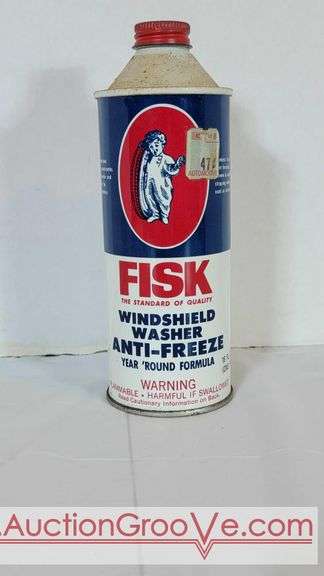
- Use winter windshield washer fluid with antifreeze properties.
- Check the fluid’s freeze point on the label before buying.
- Avoid plain water or summer fluid in winter months.
- Choose fluids with methanol or other alcohol to lower freezing point.
Tips For Maintaining Fluid In Cold Weather
Proper care keeps the fluid effective and stops it from freezing inside the reservoir.
| Maintenance Task | Reason |
| Fill reservoir regularly | Prevents low fluid and freezing |
| Use fresh fluid | Old fluid loses antifreeze ability |
| Keep reservoir cap tight | Stops moisture and dirt from entering |
| Check for leaks | Avoid fluid loss and freezing |
Credit: feedtheball.com
Frequently Asked Questions
Can Windshield Wiper Fluid Freeze In Cold Weather?
Yes, regular windshield wiper fluid can freeze if temperatures drop below its freezing point.
What Temperature Causes Windshield Wiper Fluid To Freeze?
Most standard fluids freeze around 32°F (0°C), but some freeze at much lower temperatures.
How To Prevent Windshield Wiper Fluid From Freezing?
Use winter-grade or antifreeze windshield wiper fluid designed to resist freezing in cold weather.
Can Frozen Wiper Fluid Damage My Car?
Frozen fluid can block the washer system and damage the pump or hoses over time.
Is Homemade Windshield Wiper Fluid Safe In Winter?
Homemade mixes may freeze easily and lack proper antifreeze, risking poor performance in cold weather.
Conclusion
Windshield wiper fluid can freeze in very cold weather. Using a fluid with antifreeze helps prevent this problem. Keep your car’s fluid reservoir full during winter months. Frozen fluid can block your windshield and reduce visibility. Safe driving needs clear vision, especially on icy roads.
Remember to check your fluid type before cold weather arrives. Taking simple steps keeps your windshield clean and safe. Stay prepared and drive carefully in freezing temperatures.