

Have you ever wondered if you can tint your house windows? Maybe you’re tired of harsh sunlight heating up your rooms or want to protect your furniture from fading.
Tinting your windows could be the simple solution you need. But is it really possible for you to do it? And what benefits can you expect? Keep reading to discover everything you need to know about tinting your house windows and how it can transform your living space.
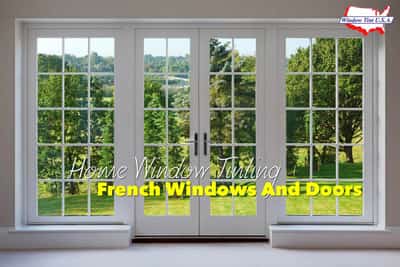
Credit: windowtintusafl.com
Benefits Of Tinting Windows
Tinting your house windows can improve your home in many ways. It adds comfort and protection without changing your windows.
This guide explains key benefits of window tinting for any homeowner.
Energy Efficiency Boost
Window tinting helps keep your home cooler in summer and warmer in winter. It reduces the need for air conditioning and heating.
- Blocks heat from sunlight during hot days
- Prevents warm air from escaping in cold weather
- Reduces energy bills by lowering HVAC use
- Improves comfort by maintaining steady indoor temperature
Enhanced Privacy
Tinted windows make it harder for people outside to see inside your home. This adds a layer of privacy without needing curtains or blinds.
| Window Type | Privacy Level |
| Clear Glass | Low |
| Light Tint | Medium |
| Dark Tint | High |
Uv Protection For Interiors
Window tint blocks harmful UV rays from the sun. This protects your furniture, flooring, and artwork from fading and damage.
UV Protection Benefits:
- Prevents colors from fading
- Extends life of fabrics and wood
- Reduces skin exposure to UV rays indoors

Credit: www.amazon.com
Choosing The Right Window Tint
Tinting your house windows can reduce heat and protect your privacy. Choosing the right window tint is important for good results.
There are different types of films and colors. You can install the tint yourself or hire a professional. Each choice has pros and cons.
Types Of Window Films
Window films come in many types. Some block heat, while others improve safety or add privacy. Choose a film based on what you need most.
- Solar Control Films: Cut heat and reduce glare
- Security Films: Hold glass together in case of breakage
- Privacy Films: Make windows harder to see through
- Decorative Films: Add patterns or frosted looks
Color And Shade Options
Window tints come in many colors and shades. Darker tints block more light but reduce visibility. Lighter tints allow more light but less heat protection.
Some films have a reflective finish. These reflect sunlight and give a mirror look from outside. Choose a shade that fits your style and needs.
- Light Tints: Let in more natural light
- Medium Tints: Balance light and heat control
- Dark Tints: Increase privacy and block heat
- Reflective Films: Reflect sunlight and add shine
Professional Vs Diy Installation
Professional installation gives a clean, bubble-free finish. Experts cut and apply film quickly. It costs more but saves time and mistakes.
DIY kits are cheaper and let you work on your own schedule. You need patience and steady hands. Mistakes can cause bubbles or peeling.
- Professional: Better quality, faster, higher cost
- DIY: Lower cost, more effort, risk of errors
Legal And Practical Considerations
Tinting house windows can improve privacy and reduce heat inside. It also changes how your windows look. Before tinting, you should know the rules and how to care for the tint.
There are laws about how dark or reflective window tint can be. You should check these rules to avoid fines. Good maintenance helps the tint last longer. The cost depends on the type of tint and size of windows.
Local Regulations And Restrictions
Many places have laws about window tinting on houses. These rules protect your neighbors’ views and keep homes safe. You must find out if your area allows tint and what types are okay.
Some common rules include limits on how dark the tint can be. Reflective or mirror-like tints may be banned. Homeowners’ associations may have extra rules too.
- Check city or county codes before tinting
- Ask your homeowners’ association for rules
- Use approved tint types and darkness levels
- Get any required permits if needed
Maintenance Tips For Longevity
Window tint needs care to stay in good shape. Clean your tinted windows gently with soft cloths and mild soap. Avoid harsh chemicals that can damage the film.
Do not use abrasive tools or scrub too hard. Keep sharp objects away from the tint to prevent scratches. Inspect the tint regularly for bubbles or peeling.
- Use soft cloth and mild, non-ammonia cleaner
- Wipe gently to avoid scratches
- Avoid direct sun during cleaning to prevent streaks
- Fix any damage early to stop peeling
Cost Factors And Budgeting
The price of window tint depends on the film type and window size. Darker or higher-quality tints cost more. Installation fees vary by professional and location.
DIY kits cost less but require careful work to avoid bubbles. Budget also for any permits or inspections your area needs.
| Cost Factor | Details |
|---|---|
| Type of Tint | Basic, reflective, or UV-blocking films have different prices |
| Window Size | Larger windows need more film, raising cost |
| Installation | Professional help costs more but gives better results |
| Permits | Some areas charge fees for window modifications |

Credit: privacytint.ca
Frequently Asked Questions
Can You Tint House Windows Legally?
Laws vary by location. Check local rules to ensure window tinting is allowed for homes.
What Are The Benefits Of Tinting House Windows?
Tinting reduces heat, glare, and UV rays. It also increases privacy and protects furniture.
How Long Does Window Tinting Last On Houses?
High-quality tint usually lasts 5 to 10 years before fading or peeling.
Can Window Tinting Save Energy In Homes?
Yes, tinting helps keep rooms cooler, lowering air conditioning costs in summer.
Is Diy Window Tinting A Good Idea For Homes?
DIY can save money but may cause bubbles or poor installation. Professionals offer better results.
Conclusion
Tinting house windows offers many benefits like reducing heat and glare. It also helps protect your furniture from sun damage. You can choose from different tint types to fit your needs. Make sure to check local rules before starting. Proper installation ensures the best results and long-lasting effects.
Window tinting can make your home more comfortable and energy-efficient. It’s a smart choice for many homeowners. Why not consider it for your house?