

Last Updated on February 18, 2026
Have you ever experienced a sudden tire blowout while driving? It’s a terrifying moment that can put you and your loved ones in serious danger.
Understanding what causes tire blowouts is the first step to preventing them and keeping your journeys safe. You’ll discover the most common reasons tires fail unexpectedly and learn simple ways to protect yourself on the road. Keep reading—your safety depends on it.
Credit: smoothcurb.com
Common Tire Damage
Tires can get damaged in many ways. Damage often causes tire blowouts.
Understanding common tire damage helps keep you safe on the road.
Punctures And Cuts
Punctures happen when sharp objects like nails pierce the tire. Cuts can occur from sharp edges or debris.
Both punctures and cuts can cause air leaks. If ignored, they may lead to sudden blowouts.
- Stepping on nails or screws can cause punctures
- Sharp stones or glass pieces may cut the tire surface
- Punctures often cause slow leaks
- Deep cuts weaken tire strength
Sidewall Damage
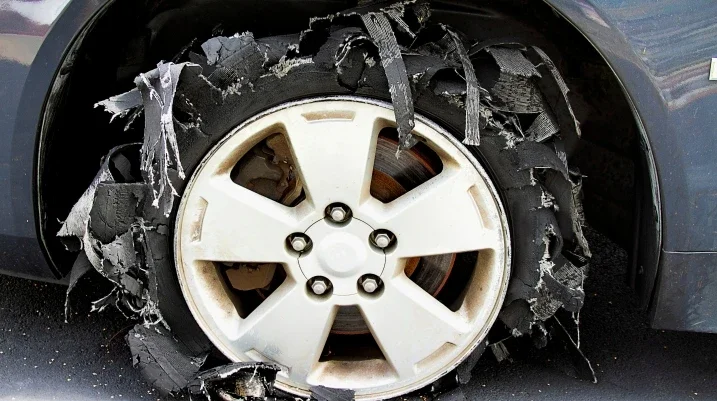
The tire sidewall is thin and flexible. It can get damaged by hitting curbs or potholes.
Sidewall damage is dangerous because it weakens the tire structure. This can cause sudden tire failure.
- Scrapes or tears from curbs or road debris
- Bulges caused by impact damage
- Cracks from aging or harsh conditions
- Damaged sidewalls reduce tire safety
Credit: www.forthepeople.com
Improper Tire Maintenance
Proper tire care is important to keep your vehicle safe. Poor maintenance can cause tire blowouts.
Many tire problems come from ignoring basic tire needs. Check your tires often to avoid issues.
Underinflation Issues
Underinflated tires have too little air pressure. This causes more heat and stress on the tire walls.
Heat buildup from low pressure can weaken tires. This increases the chance of a blowout while driving.
- Underinflation causes tire flexing and heat
- Heat weakens the tire structure
- Low pressure leads to poor vehicle control
Overinflation Risks
Overinflated tires have too much air pressure. This makes the tire less flexible and more brittle.
Brittle tires can crack or burst easily. Overinflation also reduces the tire’s contact with the road.
- Too much pressure causes tire stiffness
- Stiff tires are more likely to crack
- Reduced road contact lowers traction
Ignoring Tire Wear
Worn tires lose tread depth and strength. This makes them more prone to punctures and blowouts.
Ignoring uneven or bald tires increases risk. Regular tire checks help spot wear early and keep tires safe.
- Worn tread reduces grip on the road
- Uneven wear can weaken tire structure
- Old tires are less resistant to damage
Road Hazards
Tire blowouts often happen because of road hazards. These hazards damage tires and cause sudden failure.
Understanding common road dangers helps drivers avoid tire problems and stay safe.
Sharp Objects
Sharp objects like nails, glass, or metal pieces can puncture tires. These small punctures can lead to air loss and blowouts.
Driving over sharp objects damages the tire’s tread and sidewall, making it weak and unsafe.
Potholes And Debris
Potholes cause sudden impacts that can break tire cords or cause sidewall bulges. Debris on the road can also cut or scrape tires.
Hitting potholes at high speed increases the chance of a blowout because the tire absorbs more force.
Rough Terrain
Rough terrain like rocky or uneven roads puts extra pressure on tires. This stress can cause tire damage over time.
Driving slowly on rough surfaces helps protect tires and reduces the risk of blowouts.

Credit: www.acelawgroup.com
Environmental Factors
Tire blowouts can happen due to many reasons. One key cause is environmental factors. These factors affect the tire’s condition and strength.
Understanding how the environment harms tires helps drivers avoid blowouts. Two important factors are extreme temperatures and aging.
Extreme Temperatures
Very hot or cold weather can weaken tires. Heat makes the tire rubber softer and more likely to break. Cold temperatures can make tires stiff and brittle.
Changes in temperature also affect tire pressure. Hot weather increases pressure and can cause a blowout. Cold weather lowers pressure and can lead to damage.
- High heat causes tire rubber to soften.
- Cold makes tires hard and less flexible.
- Temperature changes affect air pressure inside tires.
- Improper pressure can lead to tire failure.
Aging And Weathering
Tires get old even if not used much. Sunlight, rain, and air cause weathering. This makes the tire rubber crack and lose strength.
Old tires are more likely to blow out. Cracks let air escape and weaken the tire structure. Regular checks help find signs of aging early.
- Sunlight causes rubber to dry and crack.
- Rain and moisture can damage tire materials.
- Ozone in the air breaks down rubber over time.
- Cracked tires have a higher risk of blowouts.
Frequently Asked Questions
What Are The Main Causes Of Tire Blowouts?
Tire blowouts often happen due to worn-out tires, under-inflation, overloading, or hitting sharp objects.
How Does Tire Pressure Affect Blowout Risk?
Low tire pressure makes tires weak and hot, increasing the chance of a blowout on the road.
Can Road Hazards Lead To Tire Blowouts?
Yes, hitting potholes, nails, or debris can damage tires and cause sudden blowouts.
Does Overloading A Vehicle Cause Tire Blowouts?
Carrying more weight than recommended puts extra stress on tires, raising the risk of blowouts.
How Can Tire Wear Cause Blowouts?
Worn tires lose tread and strength, making them prone to sudden bursts or blowouts while driving.
Conclusion
Tire blowouts happen for many reasons. Worn-out tires and low air pressure are common causes. Sharp objects on the road can also damage tires. Hot weather makes tires weaker and more likely to burst. Regular tire checks help spot problems early.
Driving carefully reduces the risk of blowouts too. Stay safe by keeping your tires in good shape. Simple steps can prevent dangerous tire failures. Drive smart. Protect yourself and others on the road.