

Last Updated on June 17, 2026
Have you ever changed lanes and suddenly realized you didn’t see a car right next to you? That hidden danger in your blind spot can cause serious accidents.
But what if your car could warn you before you even noticed? Blind-spot detection does exactly that. It uses smart technology to keep you safer on the road, giving you peace of mind every time you drive. Keep reading to discover how this life-saving system works and why it’s a must-have for your next ride.
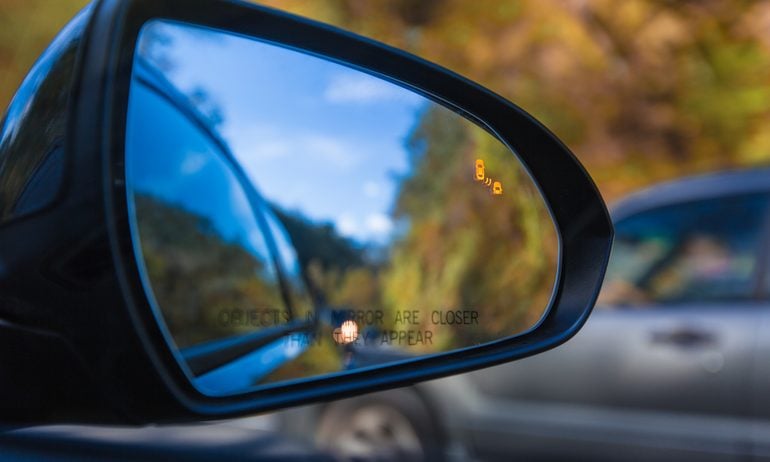
Credit: www.nerdwallet.com
Blind-spot Detection Basics
Blind-spot detection helps drivers see areas around their car. These areas are hard to see with mirrors.
This system uses sensors to warn drivers about other vehicles in blind spots. It improves safety on the road.
What Is A Blind Spot?
A blind spot is a part of the road a driver cannot see. It is outside the view of side and rearview mirrors.
Other vehicles or objects in blind spots can cause accidents if the driver changes lanes without checking.
- Blind spots are usually on the sides and rear of a car
- They vary in size depending on the vehicle
- Drivers must turn their heads to check blind spots
Why Blind Spots Matter In Driving
Blind spots create danger because drivers may not see other cars. This can lead to crashes during lane changes.
Detecting blind spots helps drivers avoid collisions. It makes driving safer for everyone on the road.
- Blind-spot accidents cause injuries and damage
- Checking blind spots reduces the risk of crashes
- Blind-spot detection systems give early warnings

Credit: soilssolutions.com
Core Technologies Behind Detection
Blind-spot detection helps drivers avoid accidents. It uses special technology to spot vehicles in hard-to-see areas.
These systems combine sensors and cameras. They send alerts when another vehicle is nearby but hidden from view.
Radar Sensors
Radar sensors send out radio waves that bounce off objects. They measure how far and fast objects are moving.
These sensors work well in bad weather. They can detect cars behind walls or around corners.
- Emit radio waves to detect objects
- Measure distance and speed
- Work in fog, rain, and darkness
Ultrasonic Sensors
Ultrasonic sensors use sound waves to find objects near the car. They send out sound and listen for echoes.
These sensors work best at close range. They help detect objects that are very near the vehicle.
- Emit high-frequency sound waves
- Detect nearby objects by echoes
- Useful for parking and close detection
Camera Systems
Cameras capture images around the car. They use software to recognize vehicles and obstacles.
Cameras provide visual data that helps the system see details. They work well in good light conditions.
- Record video of surroundings
- Use image processing to identify objects
- Help drivers see blind spots visually
How Alerts Are Delivered
Blind-spot detection systems warn drivers about vehicles in their blind spots. These alerts help prevent accidents during lane changes. The system uses different methods to catch the driver’s attention.
Alerts can be visual, auditory, or haptic. Each method works in a unique way to ensure the driver notices the warning quickly.
Visual Warnings
Visual alerts are the most common type of warning. They use lights or icons on the side mirrors or dashboard. These lights turn on when a vehicle enters the blind spot.
- Small indicator lights on side mirrors
- Flashing icons on the dashboard display
- Color changes to alert the driver
Auditory Signals
Auditory signals alert drivers through sounds. These sounds can be beeps or chimes. The volume is usually loud enough to be noticed but not distracting.
| Sound Type | Purpose |
| Single beep | Vehicle detected in blind spot |
| Repeated chime | Warning during lane change |
| Voice alert | Advanced systems for clear warnings |
Haptic Feedback
Haptic feedback uses touch to warn the driver. The system vibrates parts of the vehicle like the steering wheel or seat. This physical sensation alerts the driver without using sound or light.
Common haptic feedback methods include:
- Steering wheel vibrations
- Seat vibrations on the side closest to the blind spot
- Pedal pulses in some advanced models

Credit: www.bodyshopbusiness.com
Benefits For Driver Safety
Blind-spot detection helps drivers see cars in hard-to-view areas. It uses sensors to warn about vehicles nearby.
This technology makes driving safer by reducing accidents caused by unseen vehicles. It supports better decision-making on the road.
Reducing Collision Risks
Blind-spot detection alerts drivers to cars in their blind spots. This lowers the chance of crashes during lane changes.
- Warns when another vehicle is too close
- Helps avoid side collisions
- Supports safe lane merging
- Reduces accidents in heavy traffic
Enhancing Awareness On The Road
This system increases a driver’s awareness by providing extra information. It tracks cars that are hard to see in mirrors.
| Feature | Benefit |
| Visual Alerts | Notifies driver with lights on side mirrors |
| Audible Warnings | Sounds alarms if collision risk is high |
| Continuous Monitoring | Tracks vehicles even in poor visibility |
| Integration with Other Systems | Works with brakes and steering for safety |
Frequently Asked Questions
What Is Blind-spot Detection In Cars?
Blind-spot detection is a safety feature that warns drivers about vehicles in hidden areas.
How Do Blind-spot Sensors Work?
Sensors use radar or cameras to scan areas beside and behind the car for other vehicles.
Can Blind-spot Detection Prevent Accidents?
Yes, it helps reduce side collisions by alerting drivers to unseen vehicles nearby.
Are Blind-spot Detection Systems Reliable?
Most systems are accurate but drivers should still check mirrors and surroundings manually.
Do All Cars Have Blind-spot Detection?
No, this feature is common in newer models but not standard in every vehicle.
Conclusion
Blind-spot detection helps drivers stay aware of hidden vehicles. Sensors and cameras work together to spot dangers quickly. Alerts notify drivers to check their surroundings carefully. This system adds an extra layer of safety on roads. Understanding how it works can improve your driving habits.
Stay alert and trust the technology to guide you. Safe driving starts with knowing your vehicle’s features well. Keep learning about tools that protect you and others. Blind-spot detection is a helpful aid, not a replacement for attention. Drive smart and stay safe every time you hit the road.