

Last Updated on June 17, 2026
Have you ever felt your car pull to one side when you brake? Or noticed how your vehicle sometimes feels unstable during sudden stops?
That’s all about brake balance—the hidden factor that controls how smoothly and safely your car slows down. Understanding brake balance can transform your driving experience, giving you more control and confidence behind the wheel. Keep reading to discover how this simple adjustment can make a big difference in your safety and your car’s performance.
Brake Balance Basics
Brake balance is how braking force divides between the front and rear wheels. It affects how well a driver controls the vehicle when stopping.
Good brake balance helps keep the car stable and safe during braking. It prevents the wheels from locking up or skidding.
Front And Rear Brake Roles
The front brakes usually do most of the work in stopping a vehicle. This is because weight shifts forward during braking.
The rear brakes help balance the stopping force. They also keep the back of the car from sliding out or lifting.
- Front brakes provide strong stopping power
- Rear brakes support stability and balance
- Both must work together for safe braking
Factors Influencing Brake Distribution
Brake balance depends on many things. These include the vehicle’s design and road conditions.
Weight, speed, and brake system type also change how braking force is shared. Proper adjustment improves control.
- Vehicle weight and load distribution
- Type and condition of brakes
- Road surface and weather
- Speed and driving style
- Brake system design and settings
Impact On Vehicle Stability
Brake balance controls how braking force spreads between the front and rear wheels. It plays a key role in keeping the vehicle steady. A good brake balance helps drivers keep control during stops and turns.
Improper brake balance can cause the vehicle to skid or lose traction. This affects safety and driving confidence. Understanding brake balance helps improve vehicle stability in various situations.
Effects During Cornering
During cornering, brake balance affects how the vehicle behaves. If the front brakes are too strong, the vehicle may understeer. If the rear brakes dominate, oversteer can happen. Both conditions reduce control.
- Front-heavy braking causes the vehicle to push wide in a turn.
- Rear-heavy braking may cause the rear to slide out.
- Balanced brakes help maintain grip and smooth direction changes.
- Adjusting brake balance can improve cornering safety and precision.
Response On Different Road Conditions
Road surfaces affect how brake balance impacts vehicle stability. On wet or icy roads, uneven brake force can lead to loss of control. Proper balance helps prevent skidding and keeps the vehicle stable.
| Road Condition | Brake Balance Impact | Result |
| Dry Asphalt | Standard brake balance works well | Stable braking and control |
| Wet Surface | Requires softer rear brake force | Prevents rear wheel lock-up |
| Ice or Snow | Brake balance shifts to front wheels | Reduces skidding risk |
| Gravel | More even brake distribution needed | Improves traction |
Adjusting Brake Balance
Brake balance affects how your vehicle stops and handles in different conditions.
Adjusting it helps keep control and improve safety on the road.
Tools And Techniques
To change brake balance, you need specific tools and methods.
- Brake proportioning valve adjuster
- Pressure gauges for brake lines
- Test drives to feel changes
- Brake fluid bleeding tools
- Vehicle lift or jack stands
These tools let you fine-tune front and rear braking forces safely.
When To Modify Brake Settings
Brake balance should be changed under certain conditions to keep control.
| Condition | Reason to Adjust |
| Heavy loads | Prevent rear wheel lockup |
| Slippery roads | Improve stability |
| High-performance driving | Optimize stopping power |
| Worn brake parts | Compensate for uneven wear |
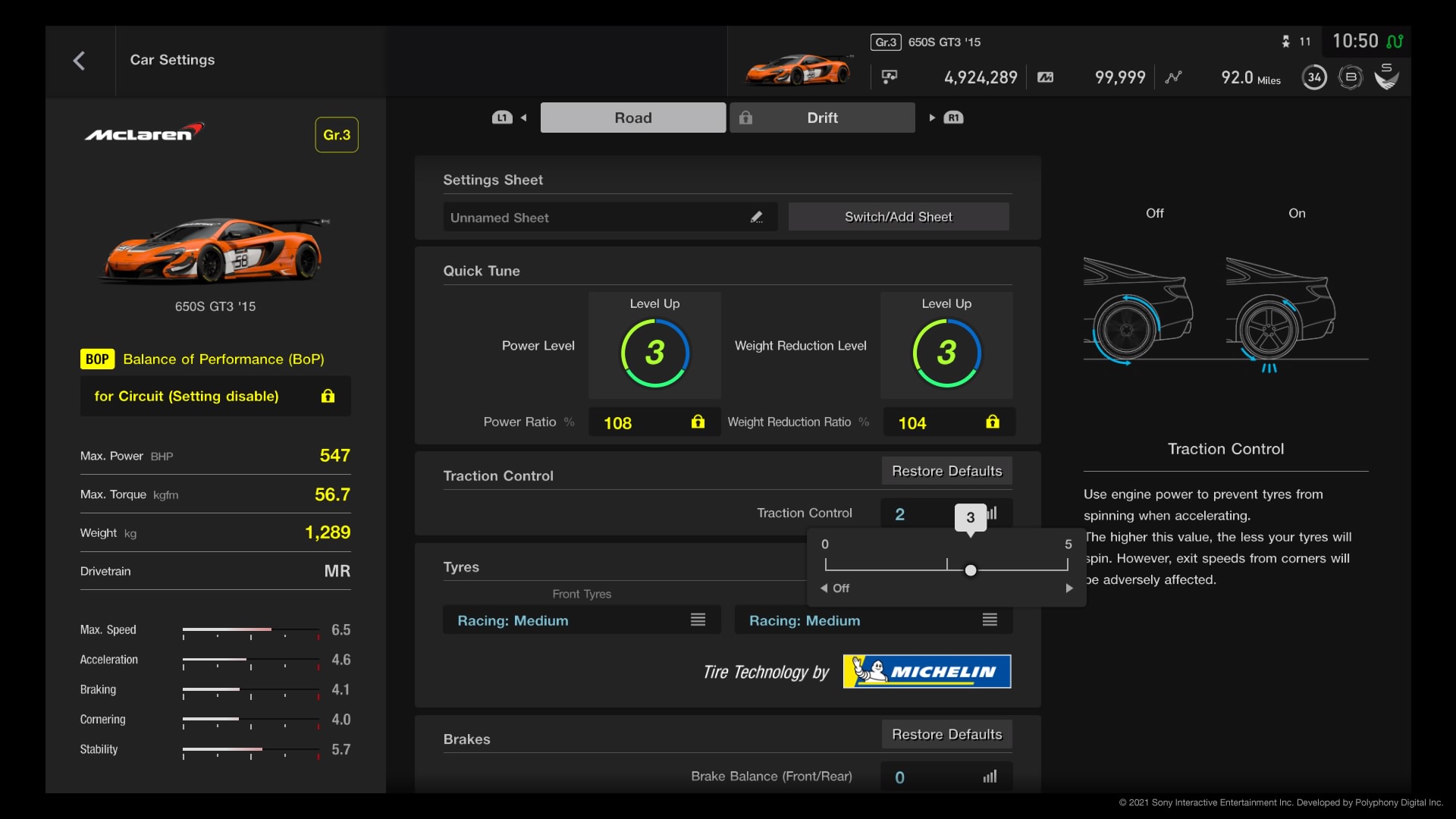
Credit: driver61.com
Safety Benefits Of Proper Brake Balance
Brake balance controls how much braking force each wheel gets. It helps keep your vehicle steady while stopping.
Good brake balance improves safety by reducing risks on the road. It makes braking smoother and more reliable.
Preventing Skids And Lockups
Proper brake balance stops wheels from locking and skidding. This keeps your vehicle from sliding out of control.
If one wheel locks, you can lose steering control. Balanced brakes apply force evenly to avoid this problem.
- Reduces chances of wheel lockup
- Keeps vehicle stable during braking
- Helps maintain steering control
- Improves traction on slippery roads
Enhancing Emergency Braking
Good brake balance helps you stop faster in emergencies. It spreads braking force to avoid sudden stops that cause loss of control.
This balance allows each tire to grip the road well. It lowers stopping distance and keeps the vehicle steady.
- Shortens emergency stopping distance
- Prevents vehicle from pulling to one side
- Ensures all tires brake effectively
- Supports better driver control under pressure

Credit: simonsautorepairtaunton.com
Frequently Asked Questions
What Is Brake Balance In A Vehicle?
Brake balance means how braking force is shared between front and rear wheels.
How Does Brake Balance Affect Vehicle Control?
Proper brake balance helps keep the vehicle stable and prevents skidding during braking.
Why Is Front-to-rear Brake Balance Important?
It ensures smooth stopping and keeps the car from losing grip on the road.
Can Wrong Brake Balance Cause Accidents?
Yes, improper brake balance can lead to loss of control and increase crash risk.
How Can I Check My Vehicle’s Brake Balance?
A mechanic can test brake balance during a brake inspection or performance check.
Conclusion
Brake balance plays a key role in how well you control your vehicle. Proper brake balance helps keep your car steady and safe. Uneven brake force can cause slipping or loss of control. Adjusting brake balance improves braking performance and vehicle stability.
Drivers feel more confident when brakes work correctly. Regular brake checks ensure balance stays optimal. Good brake balance means safer driving for everyone on the road. Remember, small adjustments make a big difference in control and safety. Keep your brakes balanced for smooth and secure driving every time.