

Last Updated on June 17, 2026
Have you ever wondered what keeps your car’s metal body looking shiny and new, even after years of exposure to rain, sun, and dirt? The secret lies in the paint that covers every inch of your vehicle.
Car paint does more than just add color—it acts as a powerful shield protecting the metal underneath from damage. If you want to understand how this protective layer works and why it matters for your car’s longevity, keep reading. By learning this, you’ll be able to take better care of your vehicle and avoid costly repairs down the road.
Credit: blisscarwash.com
Role Of Car Paint
Car paint plays a key role in protecting the metal parts of a vehicle. It acts as a shield against damage from outside sources.
Without paint, metal surfaces can quickly wear down and lose their strength. Paint keeps cars looking good and lasting longer.
Barrier Against Elements
Car paint forms a strong barrier between the metal and harmful elements. It stops water, dirt, and chemicals from touching the metal.
- Blocks rainwater from reaching metal
- Prevents dirt buildup that can cause scratches
- Protects against UV rays that fade the car
- Stops road salt and chemicals from damage
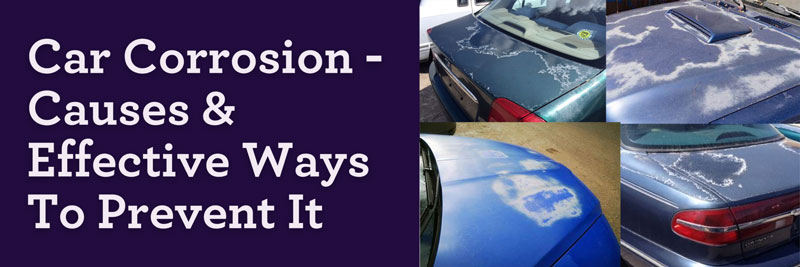
Prevention Of Rust And Corrosion
Rust happens when metal meets water and air. Paint stops this by sealing the metal tightly.
| Factor | How Paint Helps |
| Water | Blocks water from touching metal surface |
| Oxygen | Prevents oxygen from causing rust |
| Salt | Stops salt from speeding up corrosion |
| Scratches | Reduces chance of scratches that expose metal |
Credit: smart.dhgate.com
Types Of Car Paint
Car paint protects metal surfaces from damage and rust. It also gives cars a nice look.
There are different types of car paint. Each type has its own features and uses.
Acrylic Paints
Acrylic paints dry fast and are easy to apply. They are water-based and less harmful to the environment.
These paints give a bright finish but may not last as long as other types.
Enamel Paints
Enamel paints create a hard and shiny surface. They protect metal well from scratches and weather.
These paints take longer to dry but offer strong protection for car bodies.
Urethane Paints
Urethane paints are very durable and flexible. They resist chipping and fading for many years.
This type of paint is popular for car repairs and new finishes because it lasts long.
Application Process
Car paint protects metal surfaces from rust and damage. The application process has key steps. Each step builds a strong, lasting shield.
Proper painting helps keep the metal safe from weather and wear. The process includes preparing the surface, applying primers and base coats, and finishing with clear coats.
Surface Preparation
Surface preparation removes dirt, rust, and old paint. This step ensures the new paint sticks well. The metal is cleaned, sanded, and dried before painting.
- Wash the surface to remove grease and dust
- Sand the metal to smooth rough spots
- Use rust remover if needed
- Wipe the surface clean and dry it
Primer And Base Coats
Primers create a bond between metal and paint. They protect the metal from corrosion. Base coats give color and cover imperfections.
| Step | Purpose | Details |
| Primer | Protect metal | Apply evenly to prevent rust |
| Base Coat | Add color | Apply multiple thin layers |
Clear Coats And Finishing
Clear coats protect color and add shine. They make the paint last longer. Finishing includes drying and polishing the surface.
Clear Coat Benefits:
- Protects against UV damage
- Prevents scratches and chips
- Enhances gloss and depth
Maintaining Paint Protection
Car paint protects the metal from rust and damage. Keeping the paint safe helps the car last longer.
Proper care of the paint keeps the car looking nice and prevents costly repairs.
Regular Cleaning And Waxing
Cleaning removes dirt and grime that can damage paint over time. Wash your car often with mild soap and water.
Waxing adds a protective layer that shields paint from sun, rain, and dust. Apply wax every few months.
- Wash car with soft cloth or sponge
- Use car-specific soap, not household detergent
- Dry car with a clean towel to avoid spots
- Apply wax in a cool, shaded area
- Follow wax product instructions carefully
Repairing Chips And Scratches
Chips and scratches expose metal to air and water. This can cause rust and damage the car’s structure.
Fix small chips quickly with touch-up paint. Larger scratches may need professional repair.
- Clean the damaged area before repair
- Use matching touch-up paint for small chips
- Sand and prime deeper scratches before painting
- Seal repairs with clear coat for extra protection
- Check repairs regularly to avoid further damage

Credit: www.sudbury.com
Frequently Asked Questions
What Is The Main Role Of Car Paint On Metal Surfaces?
Car paint protects metal from rust, scratches, and environmental damage. It keeps the car looking new longer.
How Does Car Paint Prevent Rust On Metal Parts?
Car paint forms a barrier that stops water and air from reaching the metal, preventing rust.
Can Car Paint Protect Metal From Uv Damage?
Yes, car paint contains UV blockers that reduce sun damage and fading on metal surfaces.
Why Is A Clear Coat Important In Car Paint?
The clear coat adds shine and extra protection against scratches and chemical stains on metal.
How Often Should Car Paint Be Maintained For Metal Protection?
Regular washing and waxing every few months help keep the paint strong and the metal safe.
Conclusion
Car paint acts as a strong shield for metal surfaces. It stops rust and damage from water and air. The paint also protects against scratches and sun damage. Keeping your car’s paint in good shape helps the metal last longer.
Regular cleaning and touch-ups keep the protection strong. A well-painted car looks nice and stays safe. Remember, paint is more than just color. It is the first line of defense for your car’s metal parts. Take care of it to keep your vehicle in top condition.