

Last Updated on June 17, 2026
Have you ever wondered what gives your car that shiny, flawless finish that catches everyone’s eye? That glossy look isn’t just paint—it’s something special called automotive clear coat.
Understanding what clear coat is and why it matters can help you protect your vehicle’s appearance and keep it looking new for years. You’ll discover exactly what automotive clear coat does, how it works, and why it’s a crucial part of your car’s protection.
Keep reading—you’ll soon see your car’s finish in a whole new light.

Credit: www.amazon.com
Role Of Clear Coat In Automotive Finishes
Clear coat is a transparent layer applied over the car’s paint. It protects the paint and gives it a shiny look.
This layer helps keep cars looking new by guarding against scratches and sun damage.
Protecting The Paint From Damage
The clear coat acts like a shield for the paint underneath. It stops small scratches and chips from reaching the paint.
It also guards against damage caused by rain, dirt, and pollution on the road.
Enhancing The Car’s Appearance
Clear coat adds a smooth and glossy finish to the car’s surface. It makes the colors look brighter and deeper.
This shiny layer gives cars a polished and clean look that lasts longer.
Increasing Durability Of The Finish
The clear coat helps the paint last longer by protecting it from sun and weather. UV rays can fade paint over time.
With clear coat, the paint stays strong and does not peel or crack easily.
Making Cleaning Easier
Clear coat creates a smooth surface that dirt and grime do not stick to easily. This makes washing the car easier.
It helps keep the car looking clean and fresh with less effort.
Types Of Automotive Clear Coats
Automotive clear coats protect a car’s paint and give it a shiny finish. They help resist scratches and UV damage. Different types of clear coats offer various benefits.
Knowing the types of clear coats can help you choose the right one for your vehicle. This guide explains the main types used in the auto industry.
Acrylic Clear Coats
Acrylic clear coats are easy to apply and dry quickly. They offer good gloss and basic protection. This type is often used for DIY projects and older cars.
Urethane Clear Coats
Urethane clear coats are very durable and resistant to chemicals. They provide a high-gloss finish and long-lasting protection. Many professional shops prefer this type.
Polyurethane Clear Coats
Polyurethane clear coats combine toughness and flexibility. They resist cracking and fading well. This clear coat type helps maintain a fresh look for years.
Ceramic Clear Coats
Ceramic clear coats offer excellent protection with a very hard surface. They repel water and dirt, making cars easier to clean. This type is newer and often more expensive.
- Strong resistance to scratches
- Protects against UV rays
- Improves water and dirt repellency
- Increases paint durability
Waterborne Clear Coats
Waterborne clear coats are environmentally friendly. They use water as a base instead of solvents. This clear coat type reduces harmful emissions during application.
| Type | Durability | Gloss Level | Environmental Impact |
| Acrylic | Medium | Good | Moderate |
| Urethane | High | Very High | Moderate |
| Polyurethane | High | High | Low |
| Ceramic | Very High | Very High | Low |
| Waterborne | Medium to High | Good | Low |
Application Process For Clear Coats
Applying a clear coat on a vehicle protects the paint and gives a shiny finish. The process requires care and proper steps.
The clear coat also helps prevent damage from weather and small scratches. Understanding the application process improves results.
Surface Preparation
Clean the surface well before applying the clear coat. Remove dirt, grease, and dust to help the coat stick properly.
Sand the surface lightly to create a smooth base. Use fine-grit sandpaper to avoid scratches that show through the coat.
- Wash the car thoroughly
- Use degreaser for oily spots
- Sand with 600-800 grit paper
- Wipe off sanding dust with a clean cloth
Mixing The Clear Coat
Mix the clear coat with a hardener or activator as directed. This helps the coat dry and harden properly.
Use the right ratio of clear coat to hardener. Follow the instructions on the product label for best results.
- Measure clear coat and hardener carefully
- Mix well to avoid bubbles
- Use a clean container for mixing
- Mix only the amount you can use quickly
Spraying The Clear Coat
Use a spray gun to apply the clear coat evenly. Hold the gun at a consistent distance from the surface.
Spray in smooth, overlapping strokes. Apply several thin layers instead of one thick coat to avoid runs and drips.
- Keep 6 to 8 inches from the surface
- Spray in horizontal and vertical passes
- Allow each layer to flash off before the next
- Apply 2 to 3 coats for good coverage
Drying And Curing
Let the clear coat dry in a clean, dust-free area. Drying time depends on the product and weather conditions.
After drying, the clear coat needs to cure fully. This can take several hours to days for maximum hardness.
- Keep the area free of dust and dirt
- Avoid touching the surface during drying
- Follow product instructions for curing time
- Use heat lamps or baking booths if available
Final Inspection And Polishing
Check the clear coat for imperfections like dust spots or orange peel texture. Smooth these out if needed.
Use fine polishing compounds to bring out a deep shine. This step improves the look and feel of the clear coat.
- Use a fine grit polishing pad
- Work gently to avoid cutting through the clear coat
- Wipe clean with a soft cloth
- Inspect under good light for quality
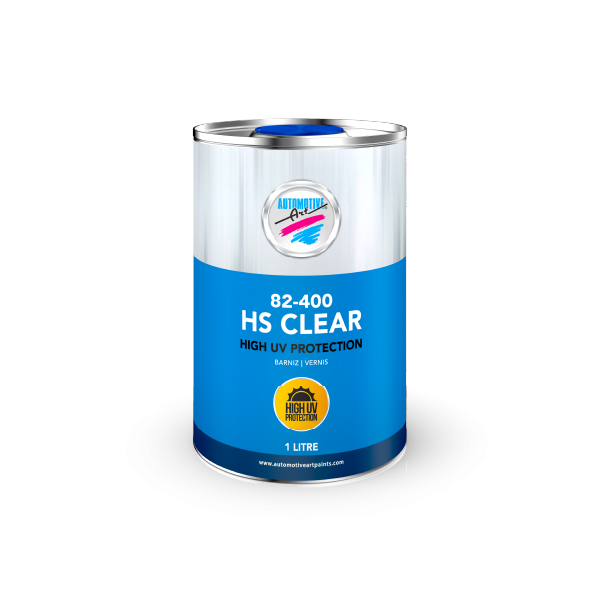
Credit: www.automotiveartpaints.com
Maintaining And Repairing Clear Coat
The clear coat protects a car’s paint from damage. It keeps the surface shiny and smooth. Proper care helps the clear coat last longer.
Fixing clear coat problems early saves money. Small scratches and dullness can be repaired at home. Serious damage may need a professional.
Cleaning The Clear Coat
Cleaning removes dirt and grime that can wear down the clear coat. Use a gentle car shampoo and soft cloth. Avoid harsh chemicals and rough sponges.
- Wash the car regularly
- Use pH-balanced car soap
- Rinse well to remove soap
- Dry with a microfiber towel
Applying Wax Or Sealant
Wax or sealant adds a protective layer on top of the clear coat. This layer helps resist water, dirt, and UV rays. Apply every few months for best results.
- Choose a quality wax or sealant
- Apply on a clean, dry surface
- Use small amounts with a soft applicator
- Buff gently for shine
Repairing Minor Scratches
Small scratches can be fixed without repainting. Use a clear coat repair kit or polishing compound. These products fill or smooth the scratch.
- Clean the scratched area
- Apply polishing compound with a soft cloth
- Buff the area in circular motions
- Wipe off residue and check the finish
Dealing With Clear Coat Peeling
Peeling clear coat looks dull and rough. It happens from sun damage or poor paint job. Fixing peeling needs sanding and repainting.
It is best to get peeling clear coat repaired by a professional. They can match the color and apply new clear coat properly.
Protecting Clear Coat From Uv Damage
Sun rays break down the clear coat over time. Use car covers or park in the shade to protect your car. UV protectant sprays also help shield the surface.
- Park in shaded areas
- Use car covers when parked long
- Apply UV protectant sprays regularly
- Wash off bird droppings and tree sap quickly

Credit: www.amazon.com
Frequently Asked Questions
What Is Automotive Clear Coat Used For?
Clear coat protects car paint from sun, dirt, and scratches. It keeps the car shiny.
How Does Clear Coat Improve Car Appearance?
It adds a glossy finish that makes colors look brighter and deeper.
Can Clear Coat Prevent Paint Damage?
Yes, it forms a hard layer that shields paint from chips and fading.
How Long Does Automotive Clear Coat Last?
Typically, it lasts 5 to 10 years, depending on care and weather exposure.
Is Clear Coat Repairable If Scratched?
Minor scratches can be fixed with polishing, but deep damage may need professional help.
Conclusion
Automotive clear coat protects your car’s paint from damage. It adds shine and keeps colors bright. This layer helps resist scratches, dirt, and sun fading. Applying and caring for clear coat extends your car’s life. Understanding clear coat helps you maintain your vehicle better.
Now you know why it matters and how it works. Keep your car looking fresh with proper clear coat care. Simple steps make a big difference in car appearance.