

Last Updated on June 17, 2026
Winter brings its own challenges for your car, and one of the biggest hidden threats is salt. You might think salt only helps keep roads safe by melting ice, but it can actually cause serious damage to your vehicle.
If you’re not careful, salt can eat away at your car’s paint, rust important parts, and lead to costly repairs. Want to know exactly how salt harms your car and what you can do to protect it? Keep reading—your car will thank you for it.
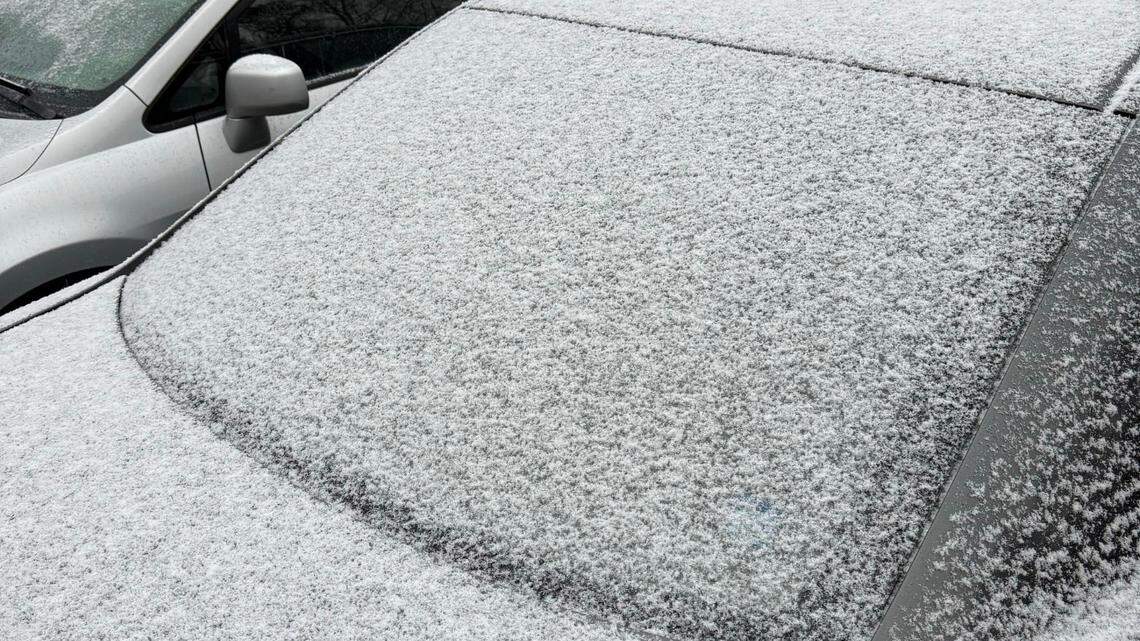
Credit: www.charlotteobserver.com
How Salt Affects Car Surfaces
Salt is used on roads in winter to melt ice. It helps keep roads safe but can harm cars. Salt can damage many parts of a vehicle.
This article explains how salt affects car surfaces. It covers metal corrosion, paint damage, and undercarriage problems.
Corrosion On Metal Parts
Salt causes rust by speeding up metal corrosion. It breaks down protective layers on steel and iron. Rust weakens metal parts and can cause failure.
- Salt mixes with water to form a strong acid.
- The acid reacts with metal surfaces.
- Metal loses its strength and durability.
- Rust spreads under paint and coatings.
- Corroded parts may need costly repairs.
Damage To Paint And Finish
Salt can harm the car’s paint and clear coat. It causes paint to fade, chip, or peel. This damage exposes metal underneath to rust.
| Effect | Cause | Result |
| Paint fading | Salt crystals scratch surface | Loss of shine |
| Chipping | Salt reacts with paint chemicals | Exposed metal |
| Peeling | Moisture with salt seeps under paint | Rust starts |
Impact On Undercarriage Components
Salt causes damage under the car where it is hard to see. It affects parts like brakes, suspension, and exhaust. Salt speeds up rust and wear.
Common undercarriage problems from salt include:
- Brake line corrosion leading to failure
- Worn suspension parts causing poor handling
- Exhaust pipe rust and holes
- Damaged fuel lines and tanks
Common Areas Vulnerable To Salt
Salt on roads helps melt ice in winter. It protects drivers but can harm cars. Salt causes rust and damage to many car parts.
Knowing which areas salt affects most can help you protect your vehicle. Some parts get damaged faster than others.
Wheel Wells And Tires
Wheel wells collect salt and moisture from the road. This creates a wet environment that speeds up rust on metal parts. Tires also get exposed to salt, which can wear down rubber faster.
Salt can cause small cracks in tires and damage the rims. This weakens the wheel area and can lead to costly repairs later.
- Salt mixes with water and stays in wheel wells
- Metal parts rust faster in wet, salty areas
- Tires can crack or lose grip due to salt exposure
- Rims may corrode if salt is not cleaned off
Brake Lines And Suspension
Salt damages brake lines by causing rust and corrosion. Corroded brake lines can leak, making brakes unsafe. The suspension system also suffers from salt damage.
Rust weakens suspension parts and affects car handling. Salt buildup can cause parts to break or fail earlier than usual.
- Salt causes brake lines to rust and leak
- Corroded brake lines reduce braking power
- Suspension parts weaken from salt corrosion
- Damaged suspension affects driving safety
Exhaust System Risks
The exhaust system runs under the car and faces salt exposure daily. Salt causes the exhaust pipes and mufflers to rust quickly. Rust weakens these parts and can cause holes or breaks.
Damaged exhaust parts can make your car noisy and less efficient. Salt damage also increases the chance of harmful gas leaks.
- Salt speeds up rust on exhaust pipes and mufflers
- Rust can create holes and cracks in the system
- Damaged exhaust reduces car performance
- Leaks from rusted parts can be dangerous
Preventing Salt Damage
Salt on roads helps melt ice in winter but harms your car. It causes rust and damages paint. Taking steps to protect your car saves money and keeps it looking good.
Regular care is key to stopping salt damage. Simple actions can protect your car’s body and undercarriage from corrosion and wear.
Regular Washing And Rinsing
Salt builds up on your car’s surface and underbody. Washing your car often removes salt before it causes rust. Rinse the wheel wells and undercarriage well.
- Wash your car every two weeks during winter
- Use a high-pressure hose to clean hard-to-reach areas
- Rinse the undercarriage thoroughly after driving on salted roads
- Dry the car to prevent water spots and further corrosion
Applying Protective Coatings
Protective coatings form a barrier between salt and your car’s paint. Wax and sealants help keep salt from sticking and causing damage.
| Type of Coating | Protection Level | Application Frequency |
| Car Wax | Good | Every 2-3 months |
| Paint Sealant | Better | Every 4-6 months |
| Ceramic Coating | Best | Every 1-2 years |
Using Rust Inhibitors
Rust inhibitors slow down corrosion under the car. They help keep metal parts safe from salt damage. Apply these to the undercarriage and other metal parts.
- Use spray-on rust inhibitors on the car’s underside
- Apply before winter starts and after heavy salt exposure
- Check for rust spots and treat them promptly
- Reapply rust inhibitors yearly for best results
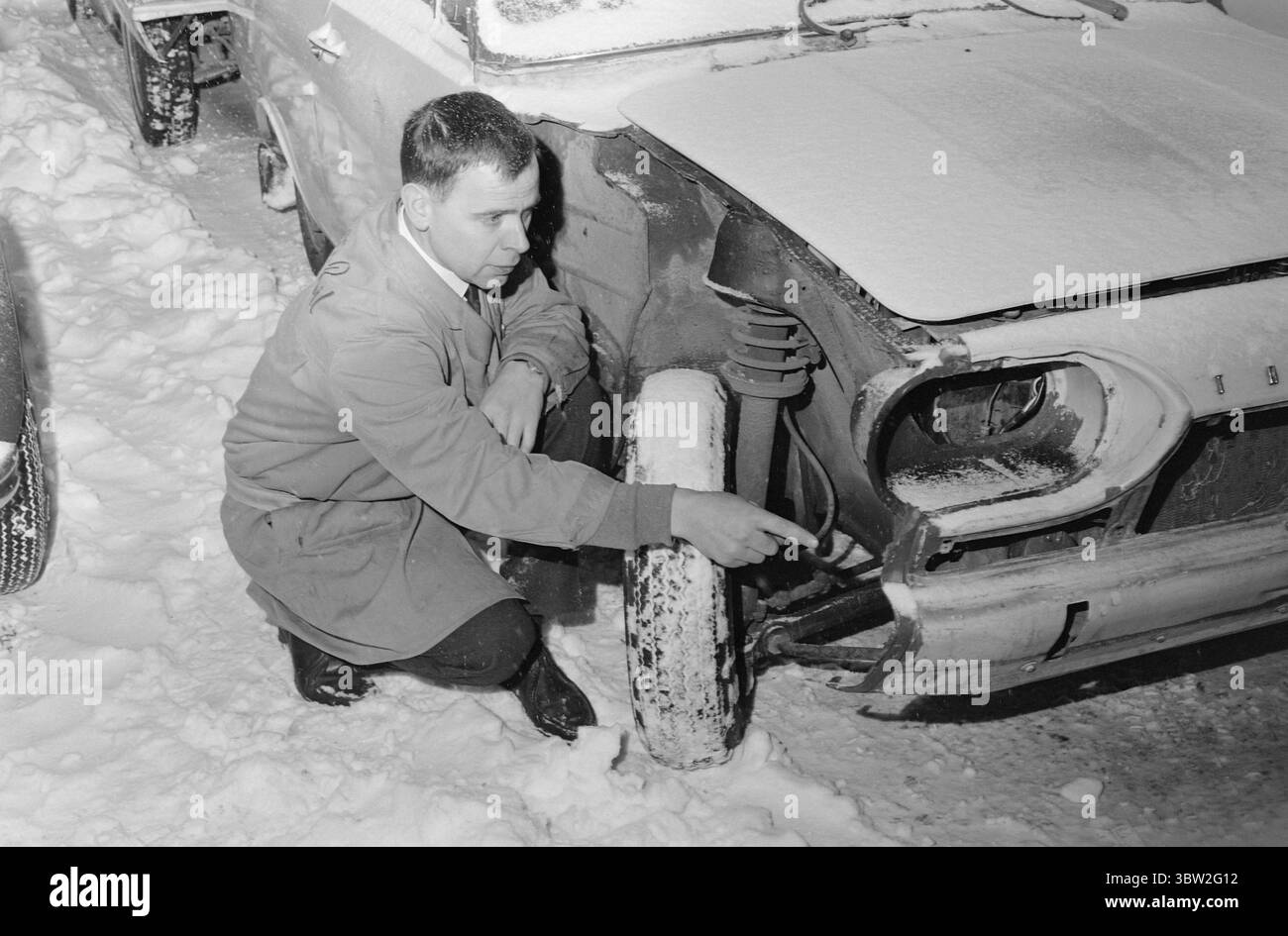
Credit: www.alamy.com
Maintenance Tips For Winter Care
Salt used on roads in winter can harm your car. It causes rust and damage to metal parts.
Regular care helps protect your car from salt damage. Follow these tips to keep your car safe.
Frequent Inspections
Check your car often for salt and rust. Look under the car, around wheel wells, and doors.
Spotting problems early helps prevent bigger damage. Clean off salt after driving in snowy areas.
- Inspect undercarriage for rust spots
- Check brake lines and fuel tanks
- Look at door seals and hinges
- Rinse wheels and tires thoroughly
Prompt Repairs
Fix scratches and chips quickly. Salt can enter these areas and cause rust to spread.
Replace worn or damaged parts early. This stops salt from causing more harm to your car.
- Touch up paint chips and scratches
- Replace rusted bolts and screws
- Fix leaks in seals or gaskets
- Repair damaged underbody shields
Safe Storage Practices
Store your car in a dry, sheltered place. This limits exposure to salt and moisture.
Keep your car clean before storage. Wash off salt and dry the surface well to stop rust.
- Use a garage or carport if possible
- Wash car underbody and wheels before storing
- Dry car completely to avoid moisture build-up
- Cover car with a breathable cover for extra protection
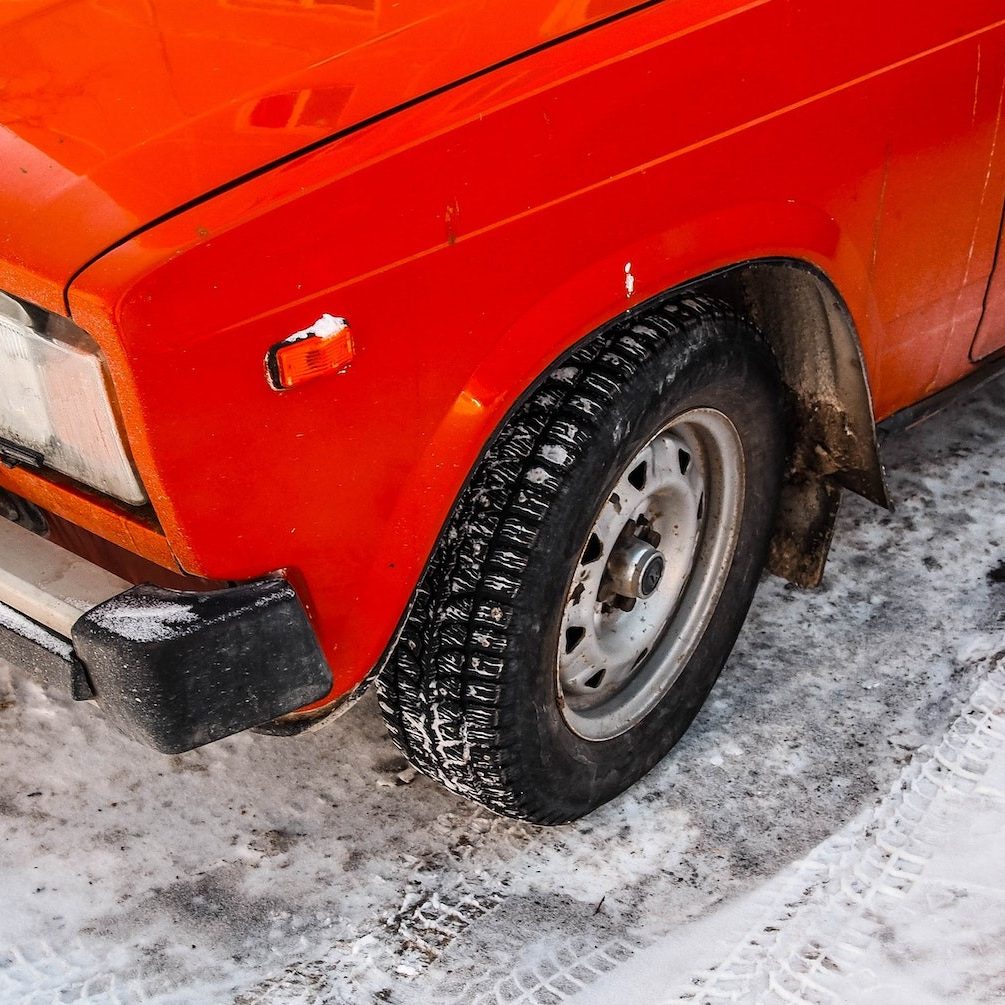
Credit: www.veterancardonations.org
Frequently Asked Questions
How Does Road Salt Cause Car Rust In Winter?
Road salt speeds up rust by trapping moisture on metal parts, making corrosion happen faster.
Can Salt Damage A Car’s Paint And Finish?
Yes, salt can eat away paint and clear coats, leading to chips and dull spots.
What Car Parts Are Most Affected By Winter Salt?
Undercarriage, brakes, wheel wells, and exhaust pipes suffer the most from salt damage.
How Often Should I Wash My Car To Remove Salt?
Washing your car once a week in winter helps remove salt and protects against rust.
Does Salt Damage Tires Or Just The Car Body?
Salt mainly harms metal parts; it does not damage tires directly but can affect rims.
Conclusion
Salt can cause serious damage to cars during winter months. It eats away at metal, leading to rust and corrosion. This weakens important parts like brakes and the frame. Protect your car by washing it often to remove salt. Check for rust regularly and fix it quickly.
Taking these steps helps your car last longer. Don’t let salt ruin your vehicle’s safety and value. Keep your car clean, dry, and cared for this winter. Simple actions make a big difference.