

Last Updated on June 17, 2026
Have you ever wondered why some cars feel smooth and easy to control, while others seem stiff or unpredictable? The secret often lies in steering geometry.
This hidden aspect of your vehicle plays a huge role in how it handles every turn, bump, and curve on the road. Understanding how steering geometry affects handling can give you the power to improve your driving experience—and even help you spot issues before they become dangerous.
Keep reading, and you’ll discover the key factors that make your steering responsive, stable, and safe.
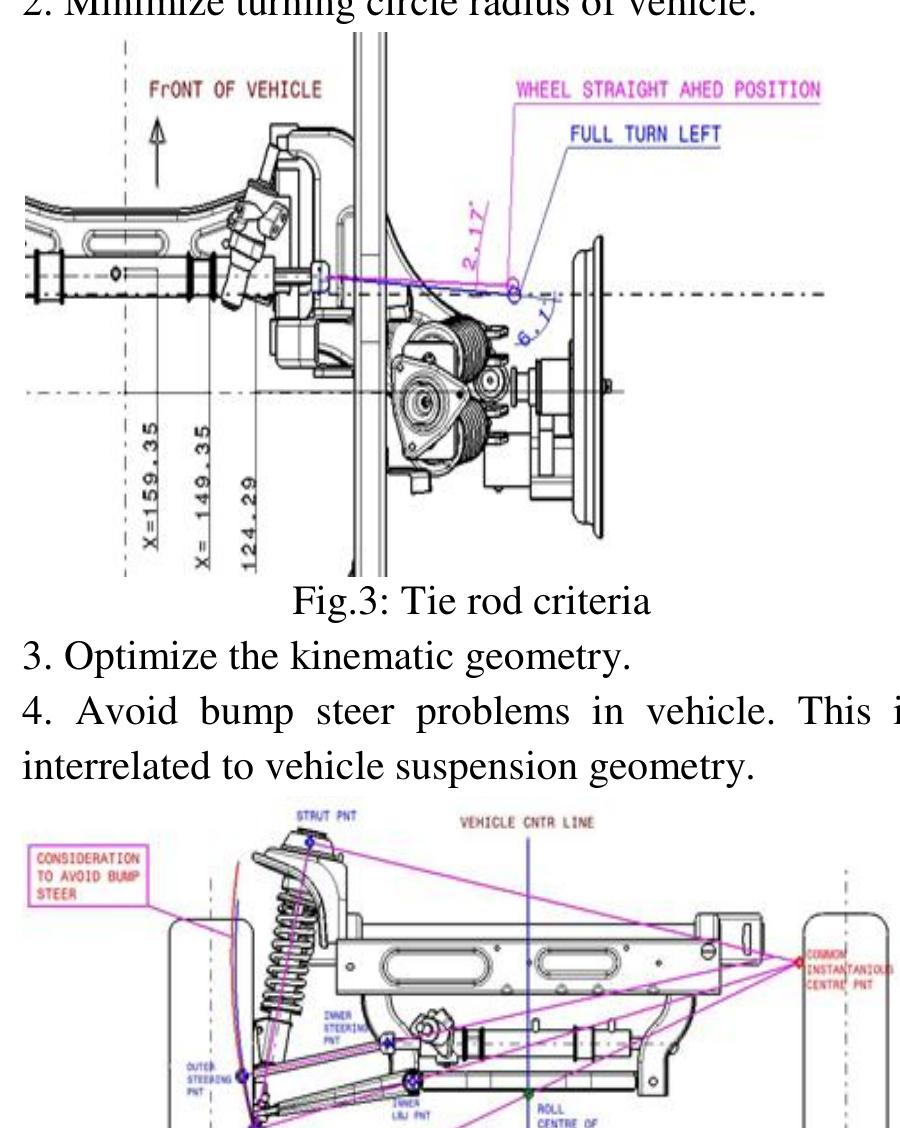
Credit: www.academia.edu
Basics Of Steering Geometry
Steering geometry is the study of the angles and parts that control a vehicle’s steering. It affects how the car handles turns and keeps its path.
Understanding steering geometry helps improve safety and driving comfort. It explains why the vehicle reacts the way it does on the road.
Key Components Explained
Steering systems have several key parts that influence handling. These parts work together to guide the wheels when you turn the steering wheel.
- Steering Rack:Converts your steering wheel movement to the wheels.
- Tie Rods:Connect the steering rack to the wheels and help turn them.
- Kingpin Axis:The pivot point around which the wheels turn.
- Steering Arms:Attach the wheels to the tie rods and help in turning.
- Suspension Components:Support the wheels and affect their angles during steering.
Common Steering Angles
Several angles define how wheels turn and affect handling. These angles balance stability, tire wear, and steering effort.
| Angle | Description | Effect on Handling |
|---|---|---|
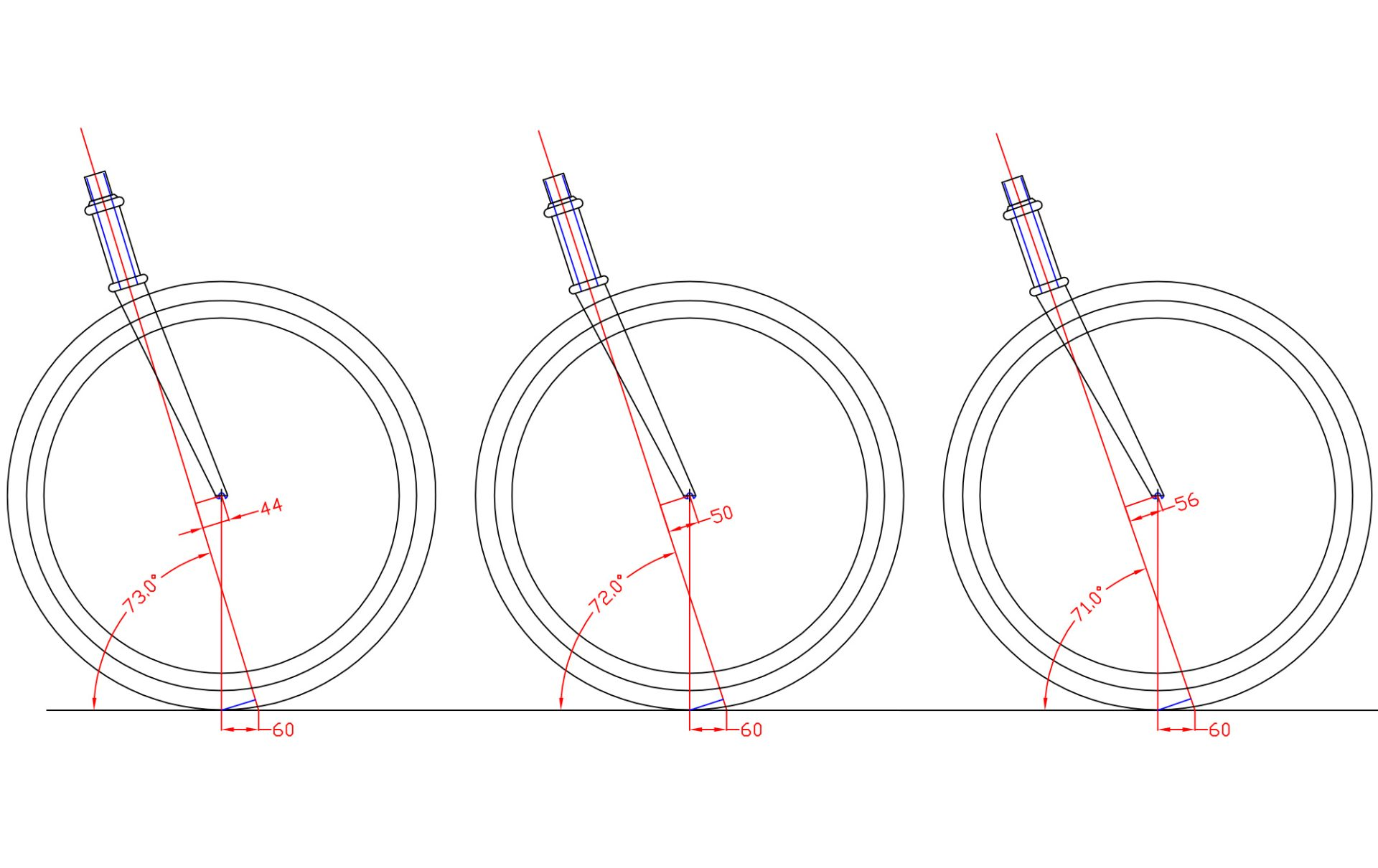
| Caster | The tilt of the steering axis forward or backward. | Improves straight-line stability and steering feel. |
| Camber | The tilt of the wheels inward or outward. | Affects tire grip and cornering performance. |
| Toe | Whether wheels point inward or outward when viewed from above. | Impacts tire wear and steering response. |
| Kingpin Inclination | The angle of the kingpin axis relative to vertical. | Helps with steering return and reduces tire scrub. |
Credit: escapecollective.com
Impact On Vehicle Handling
Steering geometry plays a key role in how a vehicle handles on the road. It affects the way a car turns and stays stable during driving.
Understanding steering geometry helps explain vehicle behavior during cornering and steering response. These factors determine safety and comfort.
Cornering And Stability
Proper steering geometry improves cornering by keeping tires in better contact with the road. It also helps maintain vehicle stability on curves.
- Correct camber angle reduces tire wear and increases grip.
- Toe settings control how the tires point during turns.
- Caster angle enhances straight-line stability and steering return.
- Adjusting these angles balances handling and comfort.
Steering Response
Steering response depends on how fast and accurately a vehicle reacts to driver input. Steering geometry affects this by controlling wheel alignment and pivot points.
| Steering Geometry Aspect | Effect on Response |
| Kingpin Inclination | Improves steering feel and reduces effort |
| Scrub Radius | Affects feedback and road force on steering |
| Ackermann Angle | Ensures wheels turn correctly during cornering |
Adjusting Steering Geometry
Steering geometry controls how your vehicle’s wheels turn and move. Adjusting it improves handling and safety.
Proper adjustments help the car steer correctly and reduce tire wear. It also affects ride comfort and control.
Tools And Techniques
Adjusting steering geometry requires specific tools and careful methods. Mechanics use alignment machines to measure angles.
- Camber gauge to check wheel tilt
- Toe plates or sensors for toe angle
- Turn plates to observe wheel movement
- Wrenches to adjust tie rods and control arms
- Alignment rack for precise measurements
Technicians adjust the angles by loosening parts and turning them carefully. They recheck measurements to meet the correct specs.
Effects Of Misalignment
Misaligned steering geometry causes many problems. It makes the car pull to one side and tires wear unevenly.
| Problem | Cause | Effect on Handling |
| Excessive Toe | Wheels point inward or outward | Steering feels loose or unstable |
| Incorrect Camber | Wheels tilt too far in or out | Tires wear on edges, poor grip |
| Wrong Caster Angle | Steering axis tilted too much or little | Hard to keep straight line |
| Uneven Alignment | Parts worn or damaged | Vehicle pulls, unsafe handling |

Credit: suspensionsecrets.co.uk
Optimizing For Performance
Steering geometry plays a key role in how a car handles. It affects stability, turning, and response.
Adjusting steering settings helps improve performance on different roads and driving styles.
Track Vs Street Settings
Track settings focus on sharp turns and fast response. They make the car very agile.
Street settings aim for safety and smooth driving. They prioritize comfort and easy control.
- Track: More aggressive toe-in or toe-out angles
- Track: Increased caster angle for better cornering
- Street: Mild toe settings to reduce tire wear
- Street: Balanced caster for steady steering feel
Balancing Comfort And Control
Good steering geometry balances smooth rides with sharp handling. It keeps driving safe and fun.
Adjusting camber, caster, and toe can improve grip and reduce driver fatigue on long trips.
- Use slight negative camber for better tire contact
- Moderate caster improves straight-line stability
- Neutral toe keeps steering predictable and easy
- Soft suspension settings add comfort without losing control
Frequently Asked Questions
What Is Steering Geometry In A Car?
Steering geometry is the setup of angles and parts in the steering system. It controls how wheels turn.
How Does Steering Geometry Affect Car Handling?
It changes how a car turns, feels, and responds on the road. Good geometry means better control.
What Are Common Steering Geometry Angles?
Key angles include camber, caster, and toe. Each angle affects handling and tire wear differently.
Can Steering Geometry Cause Tire Wear?
Yes. Incorrect angles can make tires wear unevenly and reduce their lifespan.
How Often Should Steering Geometry Be Checked?
Check it during regular maintenance or after impacts. Proper checks keep handling safe and smooth.
Conclusion
Steering geometry shapes how your car feels on the road. It controls turning, stability, and grip during driving. Small changes can make a big difference in handling. Understanding these basics helps you drive safer and smoother. Keep your steering setup balanced for the best ride.
Remember, good handling starts with good geometry.