

If you want your vehicle to run smoothly and avoid costly repairs, knowing how to change the fluid in your rear differential is a must. This simple maintenance task keeps your rear gears protected and working efficiently.
You might think it’s complicated or time-consuming, but with the right steps, you can do it yourself and save money. You’ll discover exactly how to change your rear differential fluid the easy way. Keep reading, and you’ll have the confidence to tackle this important job on your own.

Credit: www.youtube.com
Tools And Materials Needed
Changing the fluid in your rear differential helps keep your vehicle running smoothly. You will need specific tools and materials to do this job safely and correctly.
Gathering the right items before you start saves time and avoids mistakes. Here is what you need to prepare.
Jack And Jack Stands
You need to lift the rear of your vehicle to access the differential. A jack and jack stands hold the car safely in the air while you work.
Make sure the jack and stands can support your vehicle’s weight. Always use jack stands for safety, never rely on the jack alone.
Wrench Or Socket Set
To remove the differential cover or drain plug, use a wrench or socket set. The sizes vary by vehicle model.
Check your vehicle’s manual for the correct wrench size. A ratchet with the right socket makes the job easier and faster.
Drain Pan
A drain pan collects the old fluid as it drains from the rear differential. Use a pan with enough capacity to hold all the fluid.
Choose a flat pan that fits under the differential easily. This helps avoid spills and keeps the work area clean.
Differential Fluid
You need the correct type and amount of fluid for your rear differential. Use the fluid specified in your vehicle’s manual.
Using the wrong fluid can damage the differential. Buy new fluid before you start to avoid delays.
Fluid Pump Or Syringe
A fluid pump or large syringe helps add new fluid into the differential through the fill hole. This tool makes the process neat and easy.
Some differentials have tight fill holes. A pump helps push the fluid in without spills.
Gasket Or Rtv Sealant
You need a new gasket or RTV sealant to seal the differential cover. This prevents leaks after you replace the fluid.
Check if your differential cover uses a gasket or requires sealant. Replace old gaskets with new ones for best results.
Cleaning Supplies
Cleaning the differential cover and surrounding area is important before reassembly. Use rags and brake cleaner or similar solvent.
Clean surfaces help the new gasket or sealant stick better. This reduces the chance of leaks.
Credit: www.youtube.com
Draining The Old Fluid
Changing the fluid in your rear differential helps keep it working well. Draining the old fluid is the first step. This process removes old dirt and metal particles.
Make sure you have the right tools and a safe place to work. Wear gloves and eye protection to stay safe.
Prepare Your Vehicle
Park your vehicle on a flat surface. Use wheel chocks to stop it from moving. Raise the rear of the car with a jack and support it with jack stands.
Locate The Drain Plug
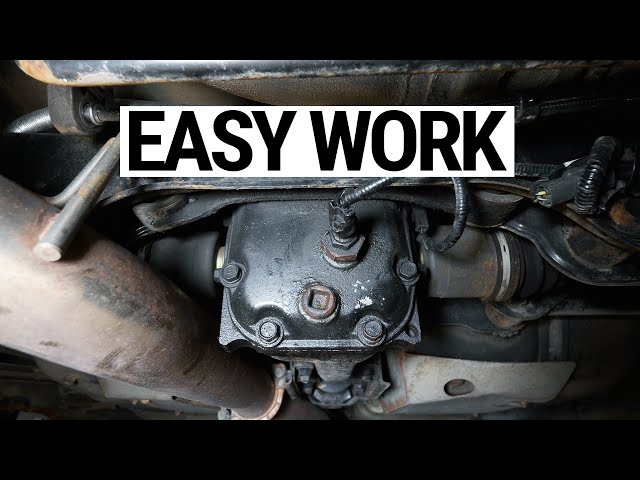
Find the rear differential under your vehicle. Look for a round metal cover with bolts. The drain plug is usually at the bottom of this cover.
Drain The Old Fluid
Place a drain pan under the drain plug. Use a wrench to loosen the plug carefully. Let the old fluid fully drain out.
- Wear gloves to avoid skin contact with old fluid.
- Keep the drain pan steady to catch all fluid.
- Check the fluid color and smell for any unusual signs.
- Dispose of old fluid properly at a recycling center.
Clean The Drain Plug And Surroundings
Wipe the drain plug clean. Remove any metal shavings on the magnet if your plug has one. Clean around the drain hole to avoid dirt entering the differential.
Refilling And Sealing The Differential
Changing the fluid in your rear differential keeps your vehicle running smoothly. Old fluid can cause wear and noise in the gears.
This guide covers how to refill and seal the differential properly. Follow the steps to avoid leaks and maintain good performance.
Drain Old Differential Fluid
Start by lifting the vehicle safely with jack stands. Locate the differential housing and remove the drain plug. Let the old fluid drain completely into a container.
Clean The Differential Housing
After draining, clean the drain plug and the area around it. Remove any dirt or debris from the housing. This prevents contamination of new fluid.
Refill With New Fluid
Use the recommended type and amount of gear oil for your vehicle. Remove the fill plug and pour in new fluid until it reaches the fill hole level.
- Use a clean funnel to avoid spills
- Fill slowly to prevent air pockets
- Check your vehicle manual for the correct fluid type
Seal The Differential Properly
After refilling, replace the fill plug and tighten it securely. Inspect the drain plug gasket and replace if damaged. Proper sealing stops leaks and keeps dirt out.
| Plug | Torque Specification |
| Drain Plug | 35-45 ft-lbs |
| Fill Plug | 25-35 ft-lbs |

Credit: www.youtube.com
Frequently Asked Questions
How Often Should I Change Rear Differential Fluid?
Change the rear differential fluid every 30,000 to 60,000 miles or as your vehicle manual suggests.
What Tools Do I Need To Change Differential Fluid?
You need a wrench, drain pan, new fluid, a funnel, and possibly a gasket or sealant.
Can I Use Any Type Of Fluid In Rear Differential?
Use only the fluid type specified in your vehicle manual to avoid damage or poor performance.
How Do I Know If Differential Fluid Needs Changing?
Look for noise, vibration, or leaks; dark, dirty fluid also indicates it’s time to change.
Is It Difficult To Change Rear Differential Fluid Myself?
It’s a simple task with basic tools and care; follow steps carefully to avoid spills or damage.
Conclusion
Changing the fluid in your rear differential keeps your vehicle running smoothly. Regular fluid changes prevent damage and extend the differential’s life. Follow the steps carefully for a safe and clean job. Use the correct fluid type to avoid issues later.
Check for leaks after filling the differential. Simple maintenance like this saves money on costly repairs. Stay consistent with fluid changes to protect your car’s performance. Easy to do, and worth the effort. Your rear differential will thank you.