

Last Updated on June 17, 2026
Have you ever wondered how some performance vehicles recover energy while slowing down? That’s where regenerative braking comes into play.
This smart technology doesn’t just stop your car—it actually helps recharge it. If you want to understand how regenerative braking can boost your vehicle’s efficiency and enhance your driving experience, keep reading. You’ll discover the secrets behind this game-changing system and why it’s becoming a must-have in high-performance cars.
Ready to learn how your next ride could be smarter and faster? Let’s dive in.

Credit: www.caranddriver.com
How Regenerative Braking Works
Regenerative braking helps performance vehicles save energy while slowing down. It changes the vehicle’s motion energy into electrical energy.
This system improves efficiency by capturing energy that normal brakes lose as heat. Let’s look at how this process works in detail.
Energy Conversion Process
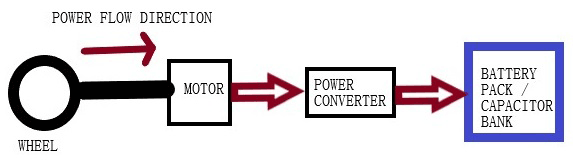
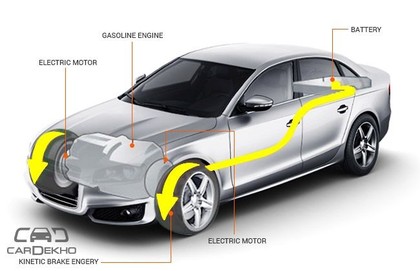
When a vehicle slows, its wheels turn the electric motor in reverse. This action changes kinetic energy into electrical energy. The electrical energy stores in the battery for later use.
- The wheels’ motion drives the motor as a generator.
- The motor converts motion into electricity.
- The electricity flows to the battery pack.
- The battery stores the energy for future power.
Role Of Electric Motors
Electric motors in performance vehicles serve two jobs. They power the car during acceleration. They also act as generators during braking.
| Motor Mode | Function |
| Drive Mode | Turns electrical energy into motion to move the car. |
| Generator Mode | Turns motion energy into electrical energy to charge the battery. |
Integration With Vehicle Systems
The braking system and electric motor work closely with the vehicle’s control unit. This unit decides when to use regenerative braking or traditional brakes.
- Sensors detect brake pedal pressure.
- Control unit switches motor to generator mode.
- Battery management system regulates energy storage.
- Traditional brakes assist if more stopping power is needed.
Credit: circuitdigest.com
Benefits For Performance Vehicles
Regenerative braking helps performance vehicles save energy. It captures energy that usually goes to waste.
This process improves how vehicles use power and manage braking. It adds value to high-speed driving.
Enhanced Energy Efficiency
Regenerative braking recovers energy when slowing down. This energy goes back to the battery.
Performance vehicles use this energy to run longer and reduce fuel or battery use.
- Reduces fuel consumption in hybrid cars
- Extends electric vehicle driving range
- Improves overall energy use during driving
Improved Brake Life
Regenerative braking lowers the use of traditional brakes. This means less wear and tear.
Performance vehicles benefit from longer brake system life. This reduces maintenance costs and downtime.
- Less brake pad replacement needed
- Reduced brake overheating during hard stops
- Smoother and more reliable braking performance
Boosted Acceleration And Control
Energy recovered from braking helps boost acceleration. It gives a quick power boost when needed.
Drivers get better control during speed changes. Regenerative braking balances power delivery smoothly.
- Faster response after slowing down
- Improved handling on curves and corners
- More precise speed control in different conditions
Technological Innovations
Regenerative braking helps performance vehicles save energy. It captures energy when slowing down.
New technologies improve how this energy is stored and used in cars.
Advanced Battery Systems
Modern batteries store more energy in less space. They charge quickly during braking.
These batteries last longer and provide power for fast acceleration.
Smart Energy Management
Smart systems control when to store or use energy. They decide the best time to recharge.
This helps cars run smoothly and saves fuel during driving.
- Monitors battery levels constantly
- Optimizes energy flow in real time
- Balances power between braking and acceleration
Lightweight Materials
Using light materials reduces the car’s weight. This makes braking more efficient.
Less weight means less energy needed to stop, so more energy can be saved.
- Carbon fiber parts reduce overall mass
- Aluminum frames improve strength and lightness
- Lightweight design boosts energy recovery
Credit: www.cardekho.com
Challenges And Considerations
Regenerative braking helps capture energy in performance vehicles. It sends power back to the battery while slowing down.
Though useful, it brings some challenges. These need careful planning and design choices.
Heat Management
Regenerative braking creates heat in the braking system. High heat can damage parts and reduce performance.
Performance vehicles need good cooling to avoid overheating. This keeps the system safe and working well.
- Extra cooling fans or vents may be needed
- Materials must handle high temperatures
- Heat sensors can help monitor conditions
System Complexity
Adding regenerative braking makes the vehicle’s system more complex. It requires new hardware and software.
Integration with existing brakes and electric systems must be smooth. This avoids problems during driving.
- Requires precise control systems
- Needs sensors to monitor braking force
- Must work with traditional brakes safely
Cost Implications
Regenerative braking adds extra parts and technology. This raises the overall cost of the vehicle.
Costs can affect the price buyers pay. Manufacturers must balance benefits with expenses.
- More expensive batteries and motors
- Additional sensors and control units
- Higher development and maintenance costs
Frequently Asked Questions
What Is Regenerative Braking In Performance Cars?
Regenerative braking recovers energy while slowing down, storing it in the battery for later use.
How Does Regenerative Braking Improve Fuel Efficiency?
It saves energy that would be lost, reducing fuel use and extending driving range.
Can Regenerative Braking Affect A Car’s Performance?
Yes, it helps maintain speed and control while saving energy without losing power.
Do All Performance Vehicles Use Regenerative Braking?
No, only hybrid and electric performance vehicles commonly have regenerative braking systems.
Is Regenerative Braking Better Than Traditional Braking?
It is better for energy saving but works alongside traditional brakes for full stopping power.
Conclusion
Regenerative braking helps save energy in performance cars. It turns braking power into electric energy. This energy can recharge the car’s battery. It improves fuel efficiency and reduces wear on brakes. Drivers get better control and smoother stops. This system supports greener and smarter driving.
It shows how technology aids car performance today. Understanding regenerative braking helps appreciate modern vehicles more. It is a useful feature in many new cars now. Simple, smart, and effective—regenerative braking is here to stay.