

Are you struggling with your vehicle’s performance and wondering if your torque converter is filled correctly? Knowing how to fill your torque converter the right way can save you from costly repairs and improve your car’s efficiency.
If you want to avoid common mistakes and ensure smooth driving, this guide is exactly what you need. Keep reading, and you’ll learn simple, step-by-step instructions that anyone can follow—even if you’re not a mechanic. Your car deserves the best care, and this is the first step to giving it just that.
Choosing The Right Fluid
Filling your torque converter with the correct fluid is important for its performance. The right fluid helps the parts work smoothly and last longer.
Using wrong or low-quality fluid can cause damage. Learn about different fluid types and how to pick the best one for your torque converter.
Types Of Torque Converter Fluids
Torque converters need special fluids. These fluids help transfer power and cool the parts. Here are common types:
- Automatic Transmission Fluid (ATF) – Most common fluid used in torque converters.
- Synthetic ATF – Offers better temperature resistance and lasts longer.
- High-performance fluids – Designed for heavy-duty or racing vehicles.
Checking Fluid Compatibility
| Fluid Type | Compatible With | Notes |
| ATF Dexron III | Most GM and older models | Standard choice for many torque converters |
| ATF Mercon | Ford vehicles | Different additives, not interchangeable with Dexron |
| Synthetic ATF | Various vehicles | Check manufacturer’s specs before use |
| High-Performance Fluid | Special applications | Use only if recommended by vehicle maker |
Always read your vehicle’s manual. Using the wrong fluid can cause leaks or damage.
Importance Of Fluid Quality
Good quality fluid keeps your torque converter clean and cool. Poor quality fluid can break down fast and cause wear.
- High-quality fluids resist heat and oxidation.
- They protect metal parts from rust and corrosion.
- Better fluids improve shifting smoothness and vehicle efficiency.
- Using recommended fluids helps keep warranties valid.
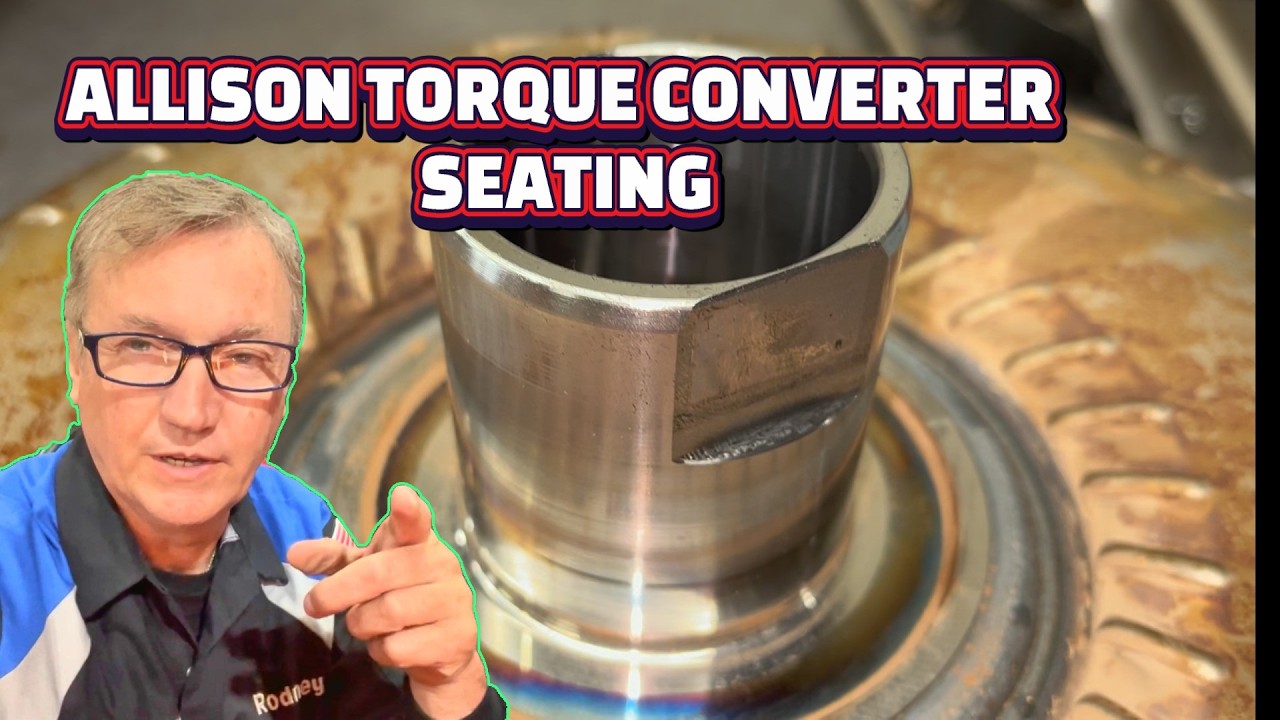
Credit: www.youtube.com
Step-by-step Filling Process
Filling a torque converter correctly is important for your vehicle’s transmission. This guide shows you easy steps to do it right. Follow each part carefully to avoid mistakes.
Make sure you have the right tools and fluid before starting. Taking time to prepare will make the process smoother and safer.
Preparing The Vehicle
Park your vehicle on a flat surface and switch off the engine. Allow the engine to cool down to avoid burns. Gather all materials, including the transmission fluid and a funnel.
- Engage the parking brake securely.
- Place wheel chocks behind the rear tires.
- Wear safety gloves and goggles.
- Keep a clean rag ready for spills.
Locating The Fill Port
Find the fill port on the transmission housing. It is usually a small plug or cap marked for transmission fluid. Check your vehicle manual if unsure.
| Vehicle Type | Fill Port Location |
|---|---|
| Front-Wheel Drive | On the side of the transmission case |
| Rear-Wheel Drive | Near the bell housing |
| All-Wheel Drive | Top or side of the transfer case |
Filling Techniques For Accuracy
Use a clean funnel or fluid pump to avoid spills. Pour slowly to let the fluid settle. Check the fluid level with the dipstick or fill port hole.
- Insert the funnel into the fill port.
- Pour transmission fluid carefully.
- Stop and check the level often.
- Replace the fill plug tightly.
- Start the engine and check for leaks.
Maintaining Proper Fluid Levels
Keeping the right fluid level in your torque converter is key to its performance. Proper fluid helps your vehicle shift smoothly and avoid damage.
Checking and maintaining fluid levels regularly protects your transmission and extends the life of your torque converter.
Signs Of Overfilling Or Underfilling
Too much or too little fluid can harm your torque converter. Look for these signs:
- Overfilling causes foaming and poor shifting.
- Underfilling leads to overheating and slipping.
- Strange noises or vibration during driving.
- Fluid leaks under your vehicle.
Routine Fluid Checks
Regular checks keep your torque converter healthy. Use this simple routine:
- Park on a level surface and warm up the engine.
- Locate the transmission dipstick and pull it out.
- Wipe the dipstick clean, then reinsert it fully.
- Remove again and check the fluid level and color.
- Add fluid slowly if the level is low, using the right type.
Tips For Long-term Torque Converter Health
| Tip | Reason |
|---|---|
| Use manufacturer recommended fluid | Ensures compatibility and proper lubrication |
| Change fluid at regular intervals | Prevents buildup of dirt and wear |
| Check for leaks often | Keeps fluid level stable and avoids damage |
| Avoid harsh driving habits | Reduces stress on the torque converter |

Credit: www.reddit.com
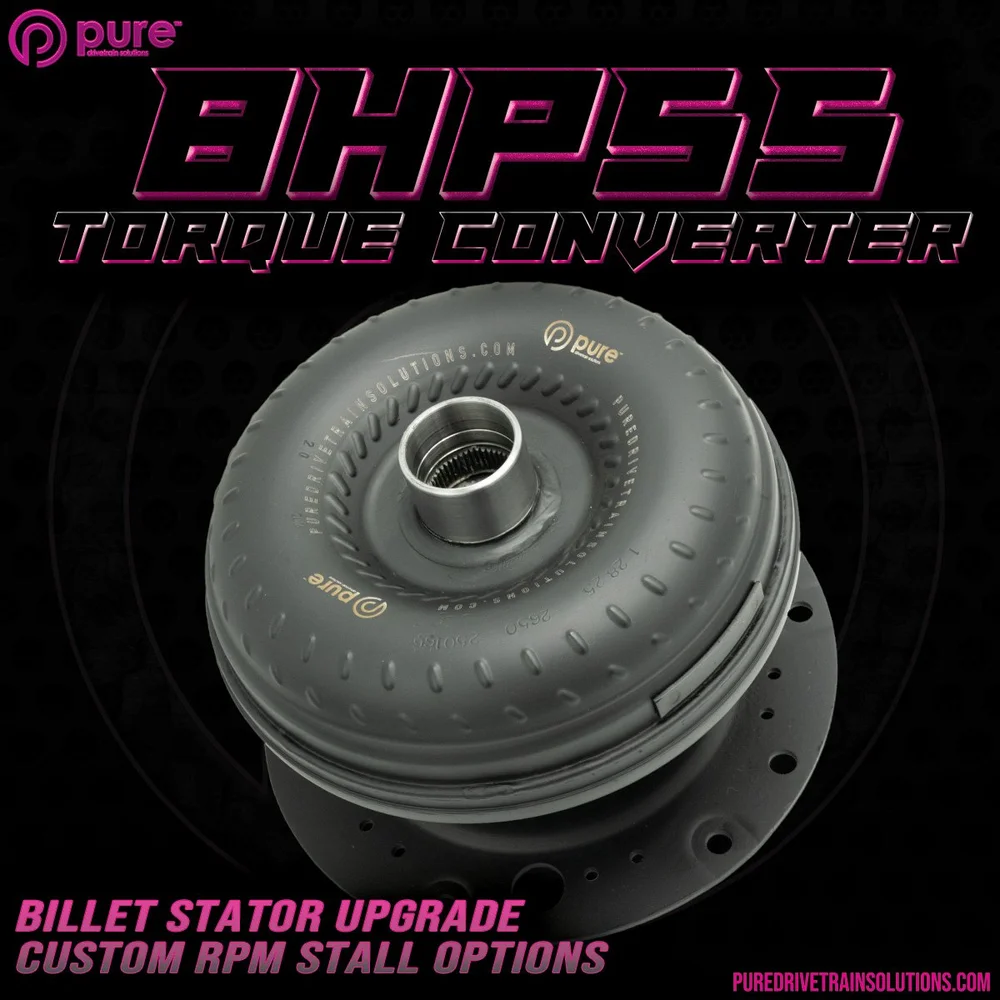
Credit: www.puredrivetrainsolutions.com
Frequently Asked Questions
How Do You Fill A Torque Converter Correctly?
Fill the torque converter through the fill hole until fluid starts to flow out. Use the right fluid type.
Why Is Filling The Torque Converter Important?
Filling keeps the transmission fluid circulating and cool. It helps avoid damage and keeps your car running smoothly.
What Type Of Fluid Is Needed For The Torque Converter?
Use automatic transmission fluid (ATF) recommended by your vehicle’s manufacturer. Using the wrong fluid can cause damage.
Can You Fill A Torque Converter Without Removing It?
Yes, you can fill it through the transmission fill hole without removing the converter, but follow the correct steps carefully.
How Much Fluid Does A Torque Converter Usually Hold?
Most torque converters hold about 4 to 6 quarts of transmission fluid. Check your vehicle’s manual for exact amounts.
Conclusion
Filling a torque converter is a simple but important task. Always use the right fluid and follow the steps carefully. Check for leaks and ensure the fluid level is correct. Taking your time helps avoid problems later. Proper fluid in the torque converter keeps your vehicle running smoothly.
Regular checks protect your transmission and extend its life. Keep these tips in mind to maintain your car well. Safe driving starts with good care under the hood.