

Have you ever turned the key, only to hear your car struggle to start or not start at all? One common cause behind this frustration is an unprimed fuel pump.
Knowing how to prime a fuel pump can save you time, money, and stress. In this guide, you’ll learn simple, clear steps to get your fuel pump working efficiently again. Whether you’re a seasoned driver or just starting out, understanding this process puts control back in your hands.
Keep reading, and you’ll soon fix the problem before it stops you in your tracks.
Signs Of A Failing Fuel Pump
The fuel pump sends gasoline from the tank to the engine. If it starts to fail, your car may show some clear signs. Knowing these signs helps you fix problems early.
Here are some common signs that your fuel pump might be failing. Watch for these to avoid getting stuck or damaging your engine.
Engine Sputtering At High Speeds
If your engine sputters or stutters while driving fast, the fuel pump may not be sending enough fuel. This causes the engine to misfire.
Loss Of Power When Accelerating
A failing fuel pump can cause your car to lose power during acceleration. You may feel the car hesitate or struggle to speed up.
Engine Surging
Engine surging means the car speeds up suddenly without pressing the gas. This happens when the fuel pump delivers fuel unevenly.
Difficulty Starting The Car
If your car takes longer to start or won’t start at all, the fuel pump might not be working right. It may not be pumping fuel to the engine.
Fuel Pump Noise
A loud whining or humming sound from the fuel tank area can mean the fuel pump is failing. This noise is not normal and should be checked.
Car Stalling
- Car starts but suddenly stalls while driving
- Stalls happen more often at high temperatures
- Engine dies without warning and needs time to restart
These stalling signs often point to a weak fuel pump. It cannot keep fuel flowing steadily to the engine.
Low Fuel Pressure
| Fuel Pressure Level | Effect on Engine |
| High | Engine runs smoothly |
| Normal | Optimal performance |
| Low | Engine misfires and stalls |
Credit: www.tractorforum.com
Tools Needed For Priming
Priming a fuel pump is important before starting your engine. Using the right tools makes the process easy and safe. This guide covers the tools you need.
Having these tools ready helps you avoid damage and ensures the fuel pump works properly. Let’s look at each tool you need to prime a fuel pump.
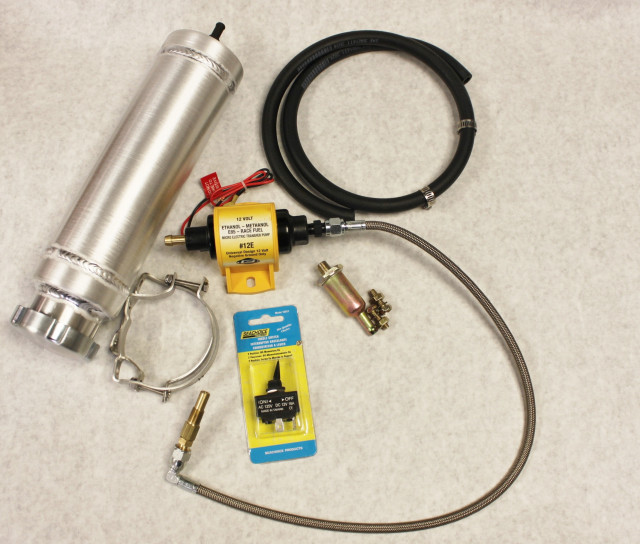
Fuel Pump Primer Tool
A fuel pump primer tool helps you push fuel into the system without starting the engine. It fits on the fuel line or pump and creates pressure for priming.
Fuel Line Disconnect Tool
This tool helps safely disconnect fuel lines. It prevents damage to connectors and stops fuel leaks during priming. Make sure the tool matches your vehicle’s fuel line size.
Hand Pump Or Squeeze Bulb
A hand pump or squeeze bulb forces fuel through the lines. It is easy to use and lets you control the fuel flow. This tool is handy for manual priming.
Safety Gloves And Goggles
Protect yourself with safety gloves and goggles. Fuel can irritate your skin and eyes. Always wear protective gear when working with fuel systems.
Fuel Container
A clean fuel container stores fresh fuel for priming. Make sure the container is free from dirt and water. This helps avoid contamination of the fuel pump.
Common Tools Comparison
| Tool | Purpose | Notes |
| Fuel Pump Primer Tool | Pushes fuel into system | Fits specific fuel lines |
| Fuel Line Disconnect Tool | Disconnects fuel lines safely | Prevents damage and leaks |
| Hand Pump/Squeeze Bulb | Manual fuel flow control | Easy to use, portable |
| Safety Gloves and Goggles | Protects skin and eyes | Must be worn every time |
| Fuel Container | Stores clean fuel | Prevents contamination |
Step-by-step Priming Process
Priming a fuel pump is important to ensure the engine receives fuel properly. This process removes air from the fuel lines and prepares the pump for operation.
Follow these steps carefully to prime your fuel pump safely and efficiently.
Locate The Fuel Pump
Find the fuel pump on your vehicle. It is usually near the fuel tank or inside the fuel tank. Check your vehicle manual if you are unsure.
Relieve Fuel System Pressure
Before priming, relieve the fuel system pressure. This step prevents fuel spray and reduces risk of injury.
- Turn off the engine and remove the key.
- Locate the fuel pump fuse or relay and remove it.
- Start the engine and let it run until it stops.
- Try to start the engine a few more times to release pressure.
Manually Prime The Pump
Manually priming the pump forces fuel through the lines to remove air pockets. Use the correct method for your vehicle.
- If your pump has a manual lever, move it several times.
- Use a hand pump or squeeze bulb if available.
- Turn the ignition on (without starting the engine) to activate the electric pump.
- Listen for the pump running to confirm priming.
Check For Leaks And Test
After priming, check all fuel lines and connections for leaks. Fix any leaks before starting the engine.
| Task | What to Look For |
| Fuel Line Connections | No wet spots or fuel smell |
| Fuel Pump Area | Secure fittings and no dripping |
| Engine Start | Smooth start without stalling |
Credit: www.chevelles.com
Credit: www.alkydigger.net
Frequently Asked Questions
How Do I Prime A Fuel Pump Manually?
Turn the ignition key to the “on” position without starting the engine. Wait for a few seconds to let the pump pressurize the fuel line.
Why Is Priming A Fuel Pump Important?
Priming removes air from the fuel system. This helps the engine start smoothly and prevents damage to the pump.
How Long Does It Take To Prime A Fuel Pump?
Priming usually takes 10 to 30 seconds. Listen for the pump sound or check fuel pressure as indicators.
Can A Fuel Pump Be Primed Without A Key?
Yes, some cars have a manual primer button or you can use a fuel pump relay to activate it.
What Happens If I Don’t Prime The Fuel Pump?
The engine may not start or run rough. Air in the fuel line can damage the fuel pump over time.
Conclusion
Priming a fuel pump helps your engine start smoothly. It removes air and fills the fuel lines properly. Follow each step carefully for the best results. Check for leaks and listen for unusual sounds. Regular maintenance keeps your fuel pump working well.
Taking these simple actions saves time and prevents issues. Now, you are ready to prime your fuel pump safely. Keep practicing to build confidence and skill. Your vehicle will thank you with better performance.