

If your vehicle feels like it’s struggling to shift gears or you notice unusual noises, your torque converter might be the cause. Knowing how to test your torque converter can save you from costly repairs and keep your car running smoothly.
You’ll learn simple, step-by-step methods to check if your torque converter is working properly. By the end, you’ll have the confidence to spot problems early and decide whether it’s time for a repair or replacement. Keep reading to protect your car and avoid unexpected breakdowns.
Credit: www.researchgate.net
Signs Of A Faulty Torque Converter
The torque converter is a key part of your car’s transmission. It helps transfer power from the engine to the transmission.
If the torque converter has problems, your car may show clear signs. Knowing these signs helps you test and fix it early.
Unusual Noises
Strange sounds often mean a torque converter is failing. You might hear whining, clunking, or rattling noises.
These noises happen because parts inside the converter wear out or get damaged. The sounds usually get louder when you shift gears or stop the car.
- Whining sound when accelerating
- Clunking noise during gear changes
- Rattling when the car is idling
Transmission Slippage
Transmission slippage is when your car’s gears change poorly or slip. The engine revs higher, but the car moves slowly.
This happens when the torque converter cannot hold pressure or transfer power correctly. You may feel a delay or jerking while driving.
- Car hesitates or jerks when shifting gears
- Engine speed rises but car speed stays low
- Difficulty accelerating smoothly
Overheating Issues
A faulty torque converter can cause the transmission to overheat. Overheating can damage other parts of the transmission.
You might notice a burning smell or warning lights on your dashboard. Overheating often happens after driving in heavy traffic or uphill.
- Burning smell near the transmission
- Transmission temperature warning light
- Car loses power or shifts roughly after heat

Credit: www.youtube.com
Tools Needed For Testing
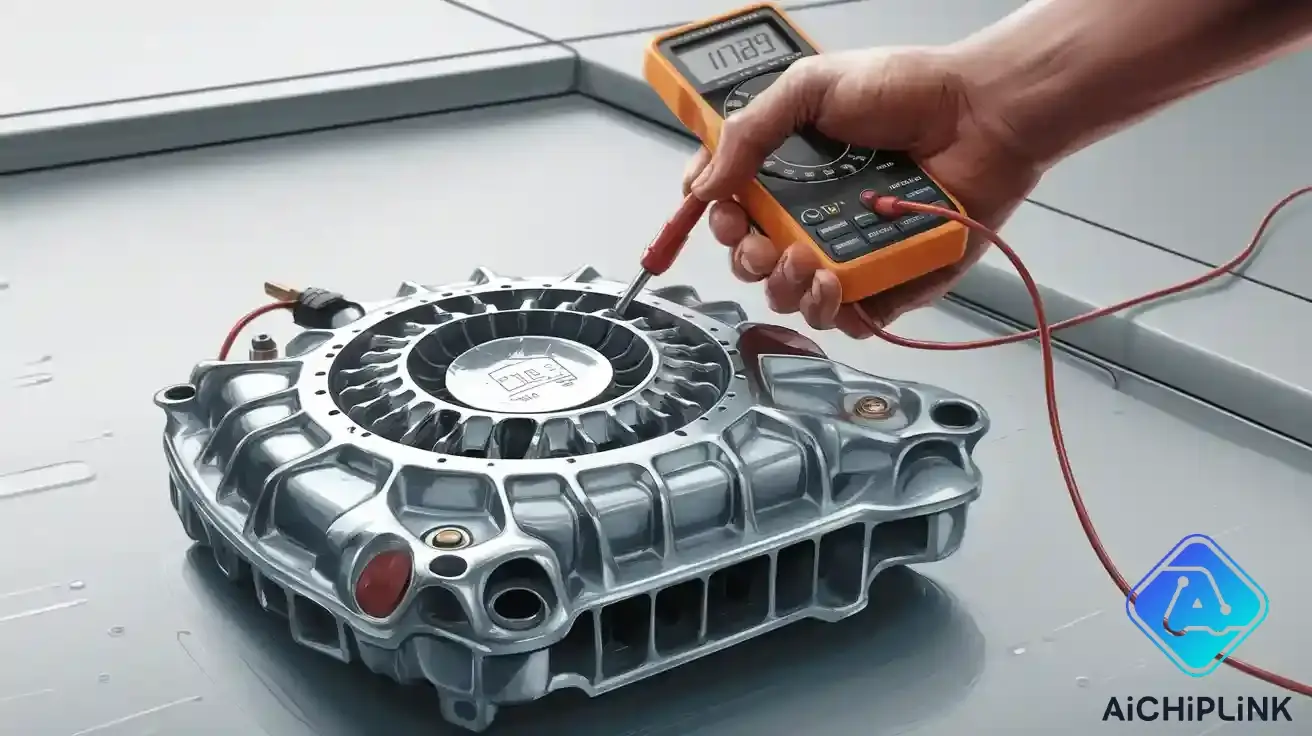
Testing a torque converter requires specific tools. These tools help check the condition and performance accurately.
Using the right tools ensures you find problems early. It also helps avoid costly repairs later.
Pressure Gauge
A pressure gauge measures the hydraulic pressure inside the transmission. It shows if the torque converter works properly.
Low or uneven pressure can mean a failing torque converter or transmission problems.
- Attach the gauge to the transmission test port
- Check the pressure at idle and during acceleration
- Compare readings to the vehicle’s service manual
Scan Tool
A scan tool connects to the vehicle’s computer. It reads error codes and live data from the transmission system.
This tool helps find faults related to the torque converter clutch and transmission sensors.
- Check for transmission-related trouble codes
- Monitor torque converter clutch engagement
- View real-time data like speed and pressure
Basic Hand Tools
Basic hand tools help remove parts and access the torque converter. These include wrenches, screwdrivers, and pliers.
Having the right hand tools makes the testing process easier and safer.
- Socket set for bolts and nuts
- Screwdrivers for clips and covers
- Pliers for clamps and hoses
- Rags for cleaning parts
Step-by-step Testing Process
Testing a torque converter helps find problems in your vehicle’s transmission. It shows if the converter works well or needs fixing.
This guide explains how to test a torque converter with three simple checks. Follow each step carefully to get clear results.
Visual Inspection
Start by looking at the torque converter closely. Check for cracks, leaks, or damage on its surface.
Also, inspect the mounting surface and bolts. Make sure nothing is loose or broken.
- Look for fluid leaks around the converter
- Check for dents or cracks on the casing
- Ensure bolts are tight and not missing
- Inspect splines for wear or damage
Pressure Test
The pressure test checks how well the torque converter holds hydraulic pressure. This shows if the converter seals and works correctly.
You need a pressure gauge and a test adapter. Connect the gauge to the test port on the transmission.
- Start the engine and let it warm up
- Attach the pressure gauge to the test port
- Check pressure at idle and during acceleration
- Compare readings with the manufacturer’s specs
- Low pressure means possible leaks inside
Stall Speed Test
The stall speed test measures how fast the engine runs before the torque converter engages. This helps identify slipping or failing converters.
To do this test, hold the brakes and press the gas pedal while in drive. Watch the engine’s RPM carefully.
- Warm up the engine to normal temperature
- Put the transmission in drive and hold the brake
- Press the gas pedal slowly and watch RPM
- Note the highest RPM reached before moving
- Compare RPM to the vehicle’s stall speed range
- Higher or lower RPM suggests torque converter issues
Credit: aichiplink.com
Frequently Asked Questions
What Are Common Signs Of A Bad Torque Converter?
A bad torque converter causes slipping, shuddering, overheating, or strange noises from the transmission.
How To Check Torque Converter Fluid Level?
Check the fluid with the engine warm and running, using the transmission dipstick for level and color.
Can A Torque Converter Be Tested Without Removal?
Yes, you can test it by checking stall speed or using a scan tool for error codes.
What Tools Are Needed To Test A Torque Converter?
Basic tools include a transmission dipstick, pressure gauge, and sometimes a scan tool for diagnostics.
How Long Does A Torque Converter Test Usually Take?
Testing takes about 30 minutes to an hour depending on the method and tools used.
Conclusion
Testing a torque converter helps keep your vehicle running smooth. Check for strange noises, slipping, or overheating signs. Use simple tools like a pressure gauge and stethoscope for easy tests. Regular checks catch problems early and save repair costs. Understanding these steps makes troubleshooting easier and safer.
Trust your senses and tools to spot issues fast. Stay proactive to avoid bigger damage down the road. Simple tests make a big difference in car health.