

Last Updated on February 18, 2026
Have you ever wondered why your tires feel different when the seasons change? The weather outside has a huge impact on how your tires perform—and understanding this can keep you safer on the road.
Whether it’s scorching heat, freezing cold, rain, or snow, each condition affects your tires in unique ways. Knowing what happens beneath your wheels can help you make smarter choices and avoid unexpected problems. Keep reading to discover how weather affects tire performance and what you can do to get the best grip all year round.
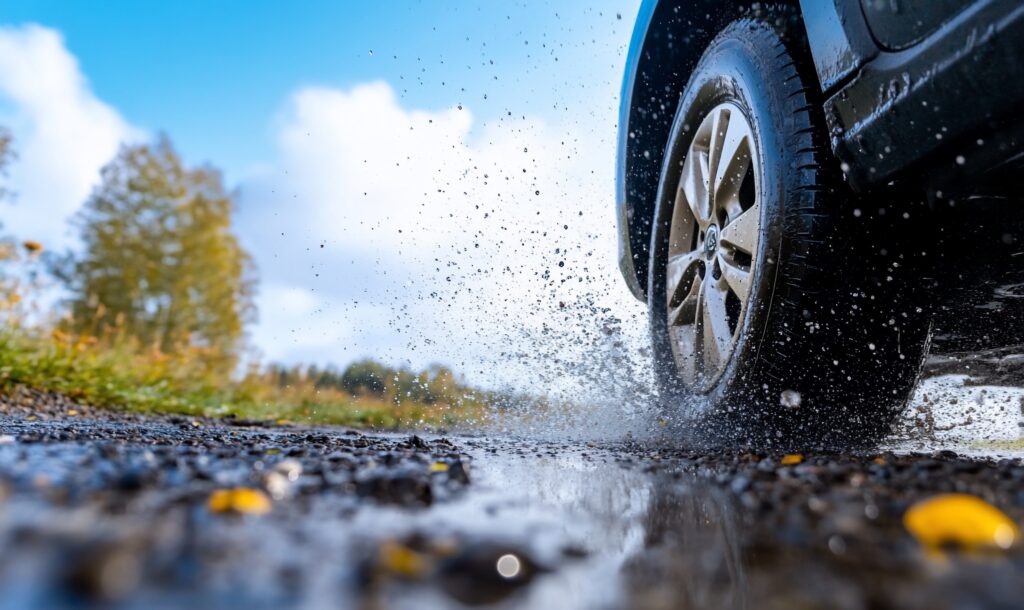
Credit: www.telletire.com
Impact Of Temperature On Tires
Tire performance changes with different temperatures. Warm and cold weather affect tires in many ways.
Understanding how temperature affects tires helps drivers stay safe on the road.
Effects Of Heat On Tire Pressure
Heat causes the air inside tires to expand. This makes tire pressure rise.
High tire pressure can lead to less traction and faster tire wear.
- Check tire pressure often in hot weather
- Reduce tire pressure if it gets too high
- Proper pressure improves safety and fuel efficiency
Cold Weather And Tire Flexibility
Cold temperatures make tires harder and less flexible. This reduces their grip on the road.
Stiff tires can cause longer braking distances and poor handling.
- Use tires designed for cold weather
- Check tire condition regularly in winter
- Keep tires properly inflated for better flexibility

Credit: www.youtube.com
Rain And Wet Road Challenges
Rain creates slippery roads that affect tire grip. Wet surfaces make it harder to control vehicles.
Drivers must understand how rain changes tire performance. Proper tires help maintain safety on wet roads.
Hydroplaning Risks
Hydroplaning happens when tires lose contact with the road. Water builds up under the tire and lifts it off the surface.
- Causes loss of steering control
- Increases stopping distance
- Happens at higher speeds on wet roads
- More likely with worn tires
- Deep water or heavy rain raises risk
To reduce hydroplaning, slow down and keep tires in good condition.
Tread Patterns For Wet Conditions
Tread patterns help move water away from the tire surface. This improves contact with the road.
| Tread Type | Key Feature | Benefit on Wet Roads |
| Directional | V-shaped grooves | Channels water efficiently |
| Asymmetric | Different patterns on each side | Balances water drainage and grip |
| Straight Grooves | Long channels | Prevents water buildup |
Choosing tires with good tread design helps keep traction on rainy days.
Winter Weather And Tire Grip
Winter weather can change how tires work on the road. Cold temperatures, snow, and ice make it hard for tires to hold the road.
Tire grip is very important in winter. Good grip helps drivers stay safe and control their cars better.
Snow And Ice Traction
Snow and ice make roads slippery. Tires need special features to grip these surfaces well.
Winter tires have tread patterns that help push snow away. They also have small cuts called sipes that hold the ice better.
- Tread patterns clear snow to keep contact with the road
- Sipes increase grip on icy surfaces
- Soft rubber stays flexible in cold temperatures
Benefits Of Winter Tires
Winter tires improve safety and performance in cold weather. They work better than regular tires on snow and ice.
These tires reduce stopping distance and help keep control on slippery roads.
- Better grip on snow and ice
- Shorter stopping distances
- Improved vehicle control
- Rubber stays soft in cold weather
Maintaining Tires For All Seasons
Tire performance changes with weather shifts. Cold, heat, rain, and snow all affect your tires.
Good tire care helps you stay safe and saves money. Check tires often to keep them ready for any weather.
Regular Pressure Checks
Air pressure drops in cold weather and rises in heat. Keep your tire pressure at the recommended level all year.
- Check pressure once a month and before long trips
- Use a reliable tire pressure gauge
- Adjust pressure when tires are cold
- Follow the vehicle manufacturer’s pressure guide
- Remember under-inflated tires wear out faster and reduce fuel efficiency
Tire Rotation And Inspection Tips
Rotate tires regularly for even wear. Inspect tires for damage or uneven tread.
| Action | Frequency | Why It Matters |
| Rotate Tires | Every 6,000 to 8,000 miles | Ensures even tread wear on all tires |
| Check Tread Depth | Monthly | Maintains grip and safety on wet or icy roads |
| Look for Cuts or Bulges | Monthly | Prevents sudden tire failure |
| Inspect Valve Caps | Monthly | Keeps dirt out and maintains pressure |

Credit: www.youtube.com
Frequently Asked Questions
How Does Cold Weather Impact Tire Grip?
Cold temperatures make tire rubber hard, reducing grip and increasing stopping distance.
Why Do Tires Lose Pressure In Cold Weather?
Cold air contracts, lowering tire pressure and affecting tire performance and safety.
Can Hot Weather Cause Tire Blowouts?
High heat increases tire pressure and weakens rubber, raising the risk of blowouts.
How Does Rain Affect Tire Traction?
Water reduces friction between tires and road, increasing the chance of slipping.
Should I Use Different Tires For Winter And Summer?
Yes, winter tires have special rubber and tread for cold, while summer tires suit warm weather.
Conclusion
Weather plays a big role in how tires work on the road. Cold, heat, rain, and snow all change tire grip and safety. Choosing the right tires for the season keeps your drive smooth and safe. Checking tire pressure often helps your tires last longer.
Remember, good tires help you control your car better. Drive smart and adjust to weather changes. This simple step protects you and others on the road. Stay safe and keep your tires ready for any weather.