

Last Updated on June 17, 2026
Have you ever wondered what could keep you safe if your main brakes suddenly fail? Your vehicle’s emergency brake isn’t just an extra feature—it’s a crucial lifeline that you rely on without even realizing it.
Understanding the importance of emergency brakes can make a real difference in how you handle unexpected situations on the road. Keep reading to discover why this simple tool is essential for your safety and how it can protect you when it matters most.

Credit: www.icartea.com
Role Of Emergency Brakes
Emergency brakes help drivers stop a vehicle quickly in dangerous situations. They act as a backup to the regular brakes.
Using emergency brakes can prevent accidents by stopping the car safely when normal brakes fail.
How Emergency Brakes Work
Emergency brakes work by locking the wheels to stop the car. They usually work on the rear wheels only.
When you pull or press the emergency brake, it tightens a cable that stops the wheel movement.
- Emergency brakes use a cable system separate from regular brakes
- They apply strong force to the rear wheels
- This prevents the car from rolling or moving
Types Of Emergency Brakes
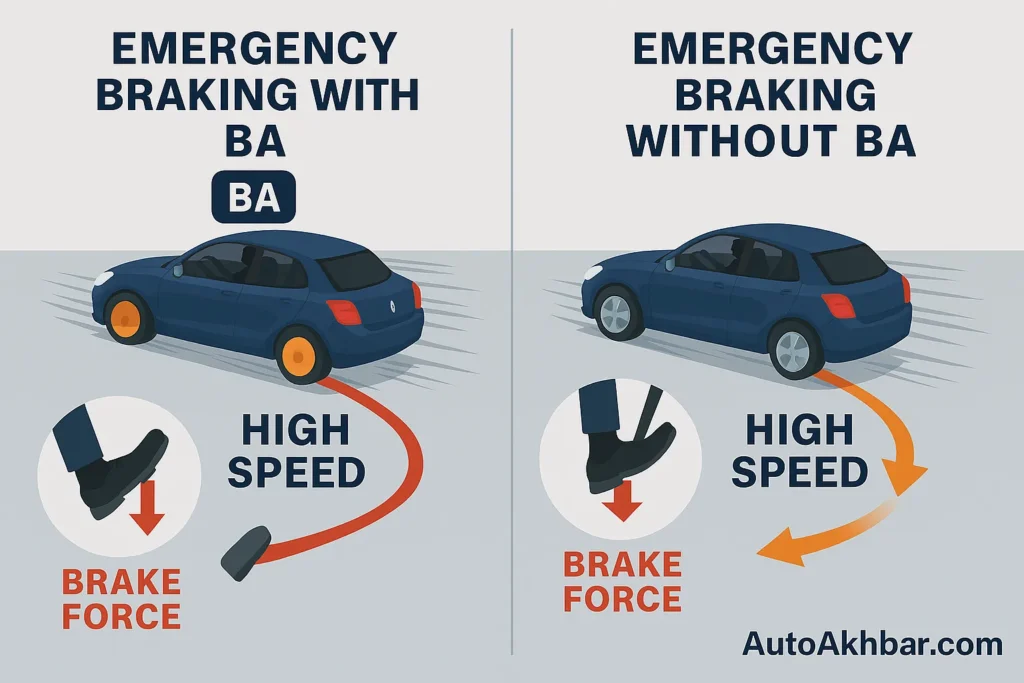
There are two main types of emergency brakes: handbrakes and footbrakes. Both serve the same safety purpose.
Handbrakes use a lever that the driver pulls up. Footbrakes use a pedal that the driver presses down.
- Handbrake:A lever usually found between the front seats
- Footbrake:A pedal located near the driver’s left foot
Credit: autoakhbar.com
Safety Benefits
Emergency brakes are important for vehicle safety. They help stop the car quickly in urgent situations.
Knowing how emergency brakes work can save lives and prevent serious injuries on the road.
Preventing Accidents
Emergency brakes help avoid crashes by stopping the vehicle when normal brakes fail. They add an extra layer of safety for drivers and passengers.
- Stop the vehicle if regular brakes lose power
- Keep the car from rolling on slopes
- Help during sudden brake failures
- Allow drivers to control the car in emergencies
Enhancing Control In Emergencies
Emergency brakes give drivers better control during sudden stops. They can slow the car safely to prevent loss of control.
| Situation | Emergency Brake Role |
| Brake system failure | Stops the vehicle safely |
| Steep hills | Prevents the car from rolling |
| Sudden need to stop | Provides extra stopping power |
Maintenance Tips
Emergency brakes are vital for vehicle safety. They help stop the car if main brakes fail.
Regular care keeps emergency brakes reliable. Knowing how to maintain them is important.
Regular Inspection
Check the emergency brake often to find problems early. Look for tightness and response.
- Pull the emergency brake lever to test its hold.
- Listen for unusual sounds when applying it.
- Inspect brake cables for rust or damage.
- Check brake pads and drums for wear.
- Ensure the brake light on the dashboard works.
Common Issues And Fixes
Emergency brakes may fail due to worn parts or poor adjustment. Fixing these keeps brakes safe.
| Issue | Cause | Fix |
| Loose lever | Stretched cable | Adjust or replace cable |
| Brake won’t hold | Worn pads | Replace brake pads |
| Brake sticks | Rust on components | Clean and lubricate parts |
| Warning light stays on | Faulty switch | Repair or replace switch |
When To Use Emergency Brakes
Emergency brakes help stop your vehicle quickly during sudden stops. Knowing when to use them can save lives.
Using emergency brakes properly keeps you safe in unexpected situations. It also prevents accidents and damage.
Situations Requiring Emergency Braking
Use emergency brakes in cases where regular brakes might not stop the car fast enough. This includes sudden dangers on the road.
- When a pedestrian suddenly crosses the street
- When another vehicle stops quickly ahead
- During brake failure or if the main brakes fail
- On steep hills to prevent rolling backward
- To avoid hitting animals or objects in the road
Emergency brakes give extra stopping power in these urgent moments. They help you control your vehicle safely.
Avoiding Misuse
Do not use emergency brakes while driving at high speeds. This can cause the vehicle to skid or lose control.
Only apply the emergency brake when you need a quick stop or your main brakes fail. Avoid using it for normal stops.
- Do not use emergency brakes on icy or slippery roads
- Avoid pulling the emergency brake suddenly during turns
- Use it gently to prevent damage to the brake system
- Check your emergency brake regularly for proper function
Credit: autoakhbar.com
Frequently Asked Questions
What Is The Main Purpose Of Emergency Brakes In Vehicles?
Emergency brakes help stop a vehicle quickly if regular brakes fail or in sudden situations.
How Do Emergency Brakes Improve Vehicle Safety?
They provide extra control and prevent the vehicle from rolling on slopes or during breakdowns.
When Should You Use The Emergency Brake While Driving?
Use it only if the main brakes fail or when parking on steep hills.
Can Emergency Brakes Work Independently From Regular Brakes?
Yes, emergency brakes work separately to stop the vehicle when regular brakes don’t respond.
How Often Should Emergency Brakes Be Checked Or Maintained?
Check emergency brakes during regular vehicle inspections or at least once every six months.
Conclusion
Emergency brakes keep drivers safe in critical moments. They help stop vehicles quickly when regular brakes fail. Regular checks ensure emergency brakes work properly every time. Using them correctly can prevent accidents and save lives. Always treat emergency brakes as a vital safety tool.
Stay alert and maintain your vehicle for safer drives. Safety starts with understanding and respecting your emergency brakes. Simple steps protect you and others on the road.