

Last Updated on February 18, 2026
When was the last time you changed the oil in your car? If you can’t remember, it’s time to pay attention.
Regular oil changes might seem like a small task, but they play a huge role in keeping your vehicle running smoothly. Ignoring this simple maintenance can lead to costly repairs and even shorten the life of your engine. You’ll discover why oil changes are so important and how they protect your investment.
Keep reading to learn how a little care now can save you big headaches later.
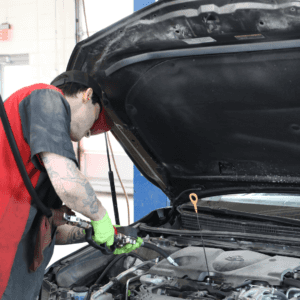
Credit: www.kalispelltoyota.com
How Oil Protects Engines
Engine oil plays a key role in keeping your engine safe and running well. It helps parts move smoothly and stops damage.
Without regular oil changes, your engine can face serious problems. Clean oil keeps the engine clean and cool.
Lubrication And Friction Reduction
Oil forms a thin layer between engine parts. This layer stops metal parts from rubbing together. Less rubbing means less wear and tear.
- Reduces friction between moving parts
- Prevents metal surfaces from grinding
- Helps parts last longer
- Improves engine performance
Cooling Engine Components
Oil absorbs heat from engine parts. It carries heat away to cool the engine. This stops parts from overheating and breaking.
| Function | How Oil Helps |
| Heat Absorption | Oil takes heat from hot parts |
| Heat Transfer | Oil moves heat to cooler areas |
| Engine Cooling | Prevents engine from overheating |
Preventing Corrosion And Deposits
Oil stops moisture and dirt from harming engine parts. It cleans away tiny bits that cause damage. This keeps the engine safe from rust and buildup.
Oil protects the engine by:
- Coating metal surfaces to stop rust
- Trapping dirt and particles
- Keeping engine parts clean
- Preventing sticky deposits inside the engine

Credit: www.gotodobbs.com
Signs You Need An Oil Change
Regular oil changes keep your engine running smoothly. Old oil can cause damage and reduce performance.
Look for clear signs that your car needs fresh oil. Catching these early protects your engine.
Engine Noise And Performance Drops
Dirty oil makes the engine parts rub against each other. This causes unusual noises and rough running.
- Louder engine sounds than usual
- Engine feels less powerful
- Car hesitates during acceleration
- Engine stalls or struggles to start
Oil Color And Consistency
Checking the oil color helps you know if it needs changing. Fresh oil is usually amber and clear.
| Oil Condition | Description | What It Means |
| Light Amber | Clear and bright | Oil is fresh |
| Dark Brown or Black | Thick and dirty | Time for oil change |
| Milky or Foamy | Light color, bubbly | Possible coolant leak |
Dashboard Warning Lights
The oil warning light signals low oil pressure or level. It needs immediate attention.
Common dashboard oil lights:
- Oil Can Icon: Low oil level or pressure
- Check Engine Light: May indicate oil issues
- Service Engine Soon: Time for maintenance
Benefits Of Timely Oil Changes
Changing your car’s oil on time keeps the engine running well. Oil protects engine parts from wear and tear.
Regular oil changes help avoid costly repairs and keep your vehicle safe on the road.
Extending Engine Lifespan
Fresh oil lubricates engine parts and stops friction. Old oil can cause damage and make the engine wear out fast.
- Reduces engine wear
- Prevents overheating
- Keeps engine clean
- Protects against rust and corrosion
Improving Fuel Efficiency
Clean oil helps the engine run smoothly. This saves fuel because the engine uses less energy to work.
| Oil Condition | Fuel Efficiency Impact |
| Fresh Oil | Better mileage |
| Old Oil | Lower mileage |
Reducing Emissions
Regular oil changes reduce harmful gases from the engine. Clean oil helps the engine burn fuel fully.
- Less smoke from exhaust
- Lower pollution levels
- Helps meet emission standards
Choosing The Right Oil And Schedule
Regular oil changes keep your engine running smoothly. Picking the right oil and timing is key to good engine health.
This guide covers different oil types, what manufacturers suggest, and factors that change how often you should change oil.
Types Of Engine Oils
Engine oils come in several types. Each works best in certain engines and conditions. Choose the correct type to protect your engine.
- Conventional oil: Basic oil, good for older engines.
- Synthetic oil: Better for new engines and extreme temperatures.
- Synthetic blend: Mix of conventional and synthetic oils for added protection.
- High-mileage oil: Designed for cars with over 75,000 miles.
Manufacturer Recommendations
Car makers give advice on oil type and change schedule. Follow their guide to keep warranty and engine warranty safe.
| Recommendation | Details |
| Oil Type | Check owner’s manual for correct oil viscosity and type. |
| Change Interval | Usually every 3,000 to 7,500 miles depending on vehicle and oil. |
| Service Light | Watch for oil change lights on your dashboard. |
Factors Affecting Oil Change Frequency
Some things make you change oil more or less often. Think about your driving style and environment.
- Driving in stop-and-go traffic wears oil faster.
- Cold weather can thicken oil, needing more frequent changes.
- Short trips do not heat engine enough, affecting oil life.
- Heavy loads or towing put extra stress on the engine oil.
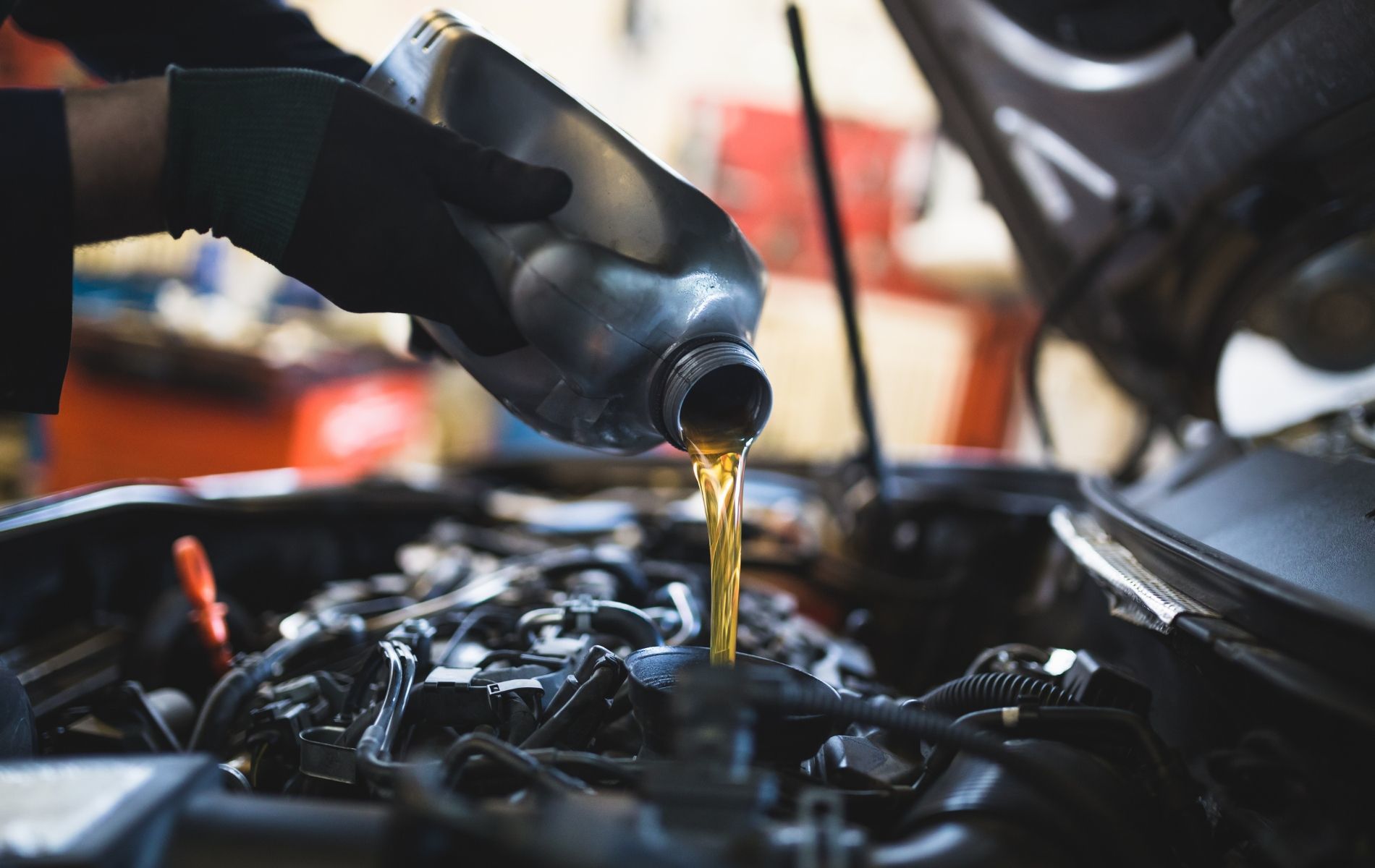
Credit: www.dilawri.ca
Frequently Asked Questions
What Happens If I Skip Regular Oil Changes?
Skipping oil changes causes engine wear, poor performance, and possible engine failure over time.
How Often Should I Change My Car’s Oil?
Most cars need oil changes every 3,000 to 5,000 miles or as recommended in the manual.
Can Regular Oil Changes Improve Fuel Efficiency?
Yes, clean oil reduces engine friction, helping your car use less fuel and run smoother.
What Type Of Oil Is Best For My Vehicle?
Use the oil type listed in your owner’s manual for best engine protection and performance.
How Do I Know It’s Time For An Oil Change?
Look for engine noise, dark oil, or check the oil change light on your dashboard.
Conclusion
Regular oil changes keep your engine running smooth and strong. Clean oil protects parts from wear and tear. It helps your car use less fuel and reduces pollution. Skipping oil changes can cause costly repairs later. A simple oil change saves money and time.
Take care of your vehicle by changing oil often. Your car will thank you with better performance. Small steps lead to big benefits for your car’s health. Keep your engine happy and avoid unexpected breakdowns. Regular oil changes are a smart choice for every driver.