

When it comes to your home or office, safety should never take a backseat. Have you ever wondered what makes glass not just beautiful but also secure?
That’s where safety glass steps in. It’s more than just a clear barrier—it protects you, your loved ones, and your valuables from accidents and unexpected impacts. Imagine the peace of mind you get knowing that every glass surface around you is designed to prevent injuries and withstand everyday risks.
Keep reading, and you’ll discover why choosing the right safety glass for your interiors is one of the smartest decisions you can make.
Credit: in.saint-gobain-glass.com
Key Features Of Safety Glass
Safety glass plays a vital role in interior design. It helps protect people from injury. This glass is made to be strong and safe.
Understanding its key features can help you choose the right type for your home or office. Below are important aspects of safety glass.
Types Of Safety Glass
There are different types of safety glass used in interiors. Each type offers unique benefits for protection and design.
- Laminated Glass: Layers of glass with a plastic layer in between.
- Tempered Glass: Heat-treated to increase strength.
- Wire Glass: Glass with a wire mesh inside for extra support.
Strength And Durability
| Type | Strength Level | Durability Features |
|---|---|---|
| Laminated Glass | High | Holds shards in place if broken |
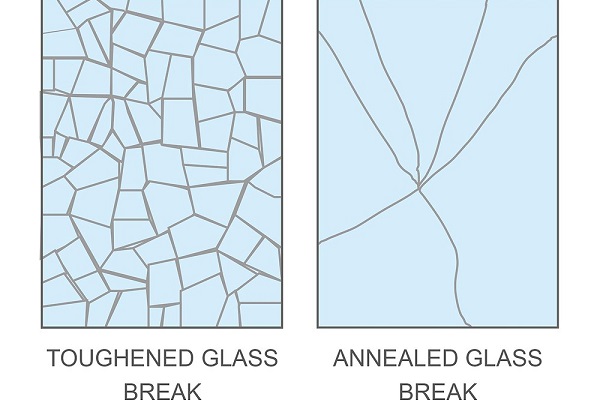
| Tempered Glass | Very High | Breaks into small, blunt pieces |
| Wire Glass | Medium | Resists heat and impact |
Impact Resistance
Safety glass must resist impacts to protect users. It absorbs and spreads force to reduce damage.
- Prevents sharp shards from causing harm
- Reduces chance of glass breaking under pressure
- Increases overall safety in busy interiors
Enhancing Interior Security
Safety glass plays a key role in making interiors safer. It helps protect people from accidents and injuries.
Using safety glass in homes and offices adds a layer of security. It reduces the risk of broken glass causing harm.
Preventing Accidents
Safety glass is designed to break safely. It does not shatter into sharp pieces like regular glass.
- Tempered glass resists impact and heat.
- Laminated glass holds together when cracked.
- Both types reduce the chance of cuts and falls.
Minimizing Injury Risks
In case of breakage, safety glass limits injuries. It breaks into small, dull pieces or stays in place.
| Type of Glass | Breakage Behavior | Injury Risk |
| Tempered Glass | Crumbles into small granules | Low |
| Laminated Glass | Stays bonded with plastic layer | Very Low |
| Regular Glass | Shatters into sharp shards | High |
Child And Pet Safety
Children and pets often run or play near glass surfaces. Safety glass protects them from serious cuts.
Benefits of safety glass for children and pets:
- Reduces sharp edges after breakage
- Prevents glass from falling out of frames
- Supports safe play near windows and doors
Aesthetic And Functional Benefits
Safety glass is a smart choice for interiors. It blends beauty with strength and safety.
It offers many benefits that improve how spaces look and work. Let’s explore some key advantages.
Design Flexibility
Safety glass comes in many styles and shapes. It can fit any design you want for your space.
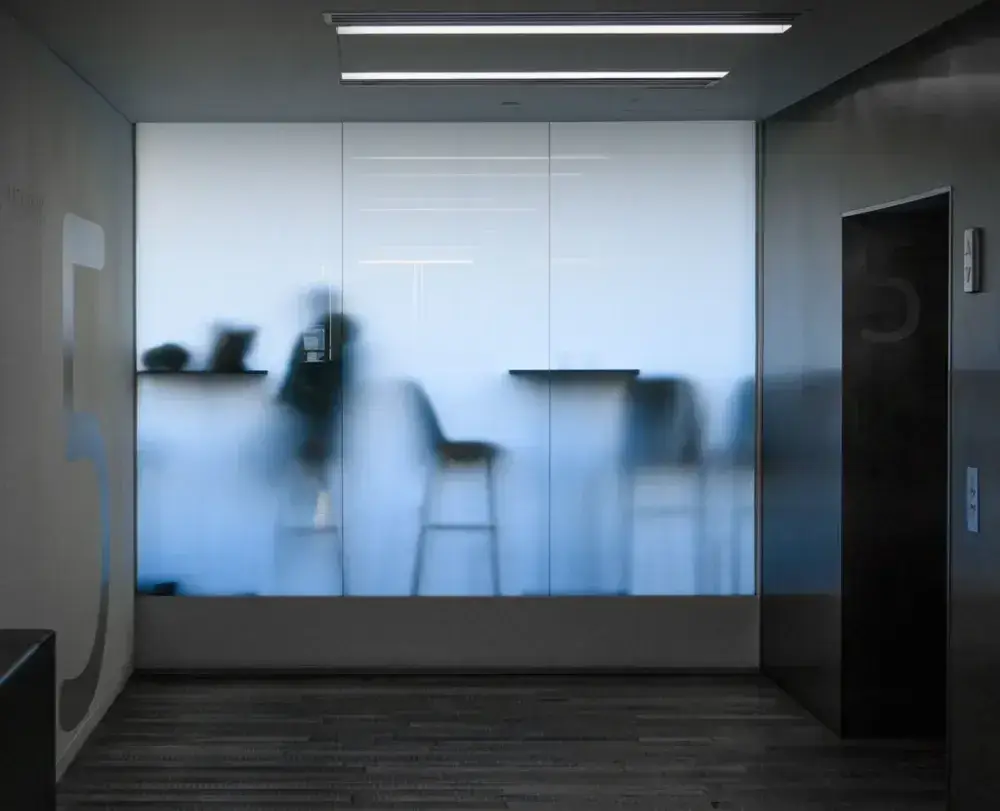
- Available in clear, frosted, or tinted options
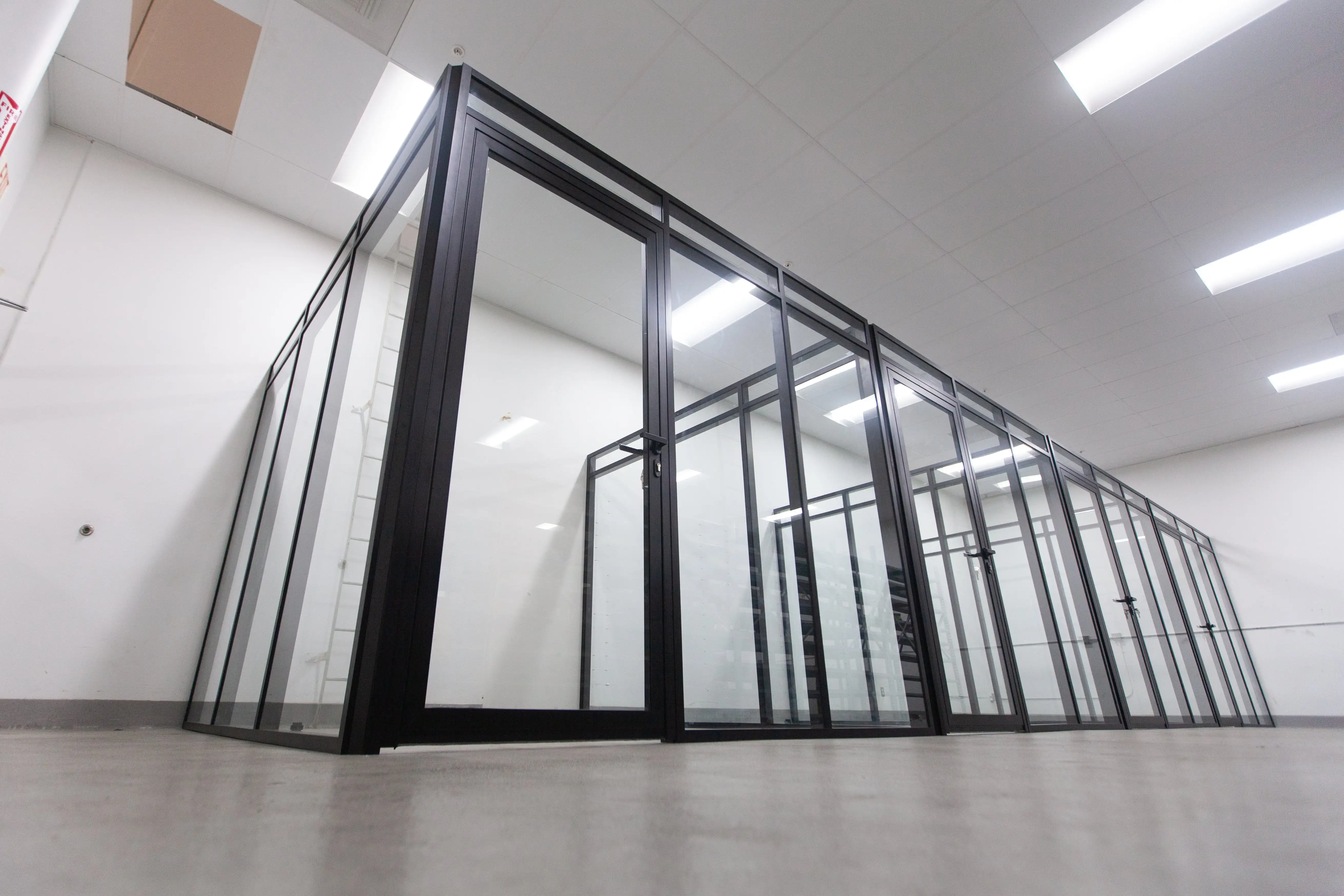
- Can be cut into custom sizes and shapes
- Works well with metal, wood, or concrete frames
- Can include patterns or textures for extra style
Natural Light Enhancement
Safety glass lets natural light flow through rooms. This brightens spaces and makes them feel larger.
| Benefit | Impact |
| More daylight | Reduces need for artificial lighting |
| Clear views | Connects inside with outside |
| Even light spread | Creates comfortable living areas |
Noise Reduction
Safety glass can reduce noise from outside. This helps make rooms quieter and more peaceful.
Types of safety glass that reduce noise:
- Laminated glass with soundproof layers
- Double-glazed glass with air gaps
- Thicker tempered glass options
Credit: crystaliaglass.com
Regulations And Standards
Safety glass plays a key role in interior design for protection. There are rules and standards to follow for using safety glass. These rules help keep people safe in homes and workplaces.
Understanding these regulations helps builders, designers, and owners choose the right type of glass. It also ensures that buildings meet legal safety demands.
Building Codes
Building codes set the minimum safety requirements for materials used inside buildings. These codes specify where safety glass must be installed. They focus on areas like doors, windows, and glass walls.
- Safety glass is required in doors near floor level.
- Windows close to walkways need impact-resistant glass.
- Glass panels in stairways must meet strength standards.
- Bathrooms often require tempered or laminated glass.
Compliance Requirements
To meet compliance, safety glass must pass specific tests. These tests check for impact resistance and how glass breaks. Certified installers must place the glass correctly.
| Requirement | Description |
| Impact Test | Glass must withstand certain forces without breaking. |
| Fragmentation | Glass breaks into small, less dangerous pieces. |
| Installation | Proper fitting and sealing to avoid hazards. |
| Documentation | Proof of compliance must be available for inspection. |
Certification Importance
Certification proves the glass meets safety standards. It shows the glass has passed tests by recognized labs. Certified glass reduces risks of injury in accidents.
- Confirms material quality and safety
- Reduces legal liability for builders
- Improves insurance acceptance and coverage
- Increases buyer confidence in property safety
Credit: www.riotglass.com
Frequently Asked Questions
What Is Safety Glass And Why Is It Used In Interiors?
Safety glass is a type of glass designed to reduce injury risk by breaking safely. It is used to protect people inside buildings.
How Does Safety Glass Improve Interior Safety?
Safety glass prevents sharp shards when broken, lowering accident risks and protecting occupants from harm.
Can Safety Glass Reduce Noise Inside Rooms?
Yes, safety glass often has soundproofing features that help reduce outside noise for a quieter interior.
Is Safety Glass More Durable Than Regular Glass?
Safety glass is stronger and less likely to break, making it more durable for interior use.
Where Is Safety Glass Commonly Installed In Interiors?
Safety glass is used in doors, windows, partitions, and furniture to enhance safety and style indoors.
Conclusion
Safety glass protects people from serious injuries inside buildings. It breaks into small, less harmful pieces. This glass adds strength and lasts longer than regular glass. It helps keep homes and offices safer every day. Choosing safety glass shows care for family and visitors.
It also meets important building rules and standards. Simple steps like this make interiors much safer places. Think of safety glass as a smart choice for peace of mind. It’s a small change with big benefits for everyone.