

Last Updated on June 17, 2026
Have you noticed your car shifting gears roughly or slipping unexpectedly? These could be warning signs that your transmission fluid is running low.
Ignoring this problem can lead to costly repairs and leave you stranded when you least expect it. You’ll discover the key signs that indicate your transmission fluid needs attention. By knowing what to watch for, you can protect your vehicle and avoid serious damage.
Keep reading to learn how to spot these signs early and keep your car running smoothly.
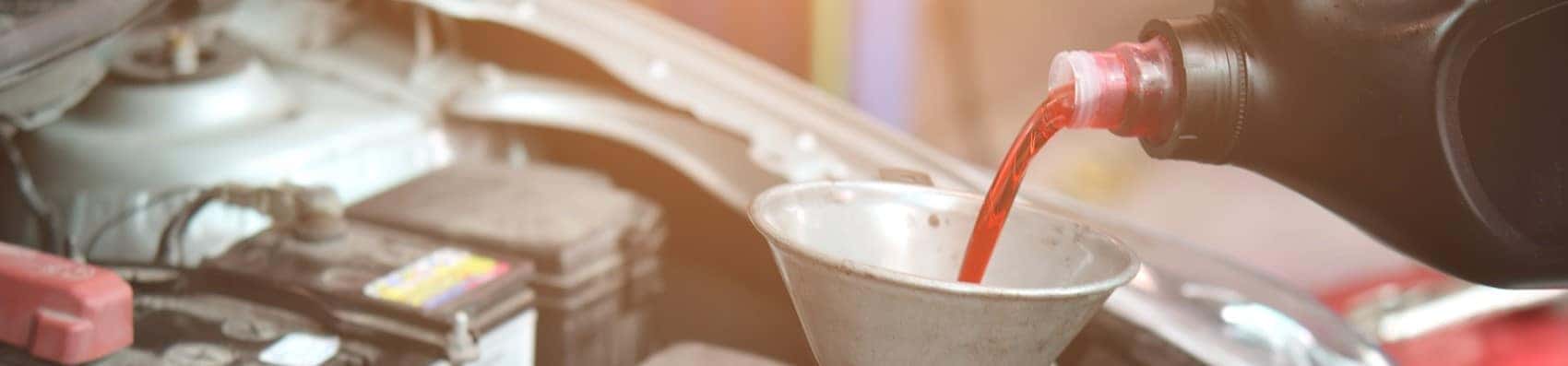
Credit: www.irafordauburn.com
Common Symptoms Of Low Transmission Fluid
Transmission fluid is vital for your car’s smooth gear shifts. Low fluid can cause many problems.
Recognizing signs of low transmission fluid helps you fix issues early and avoid costly repairs.
Delayed Or Slipping Gears
Your car may hesitate or slip when changing gears if the transmission fluid is low. This happens because the fluid cannot provide enough pressure.
You might feel the engine rev higher before the car moves forward or notice the gear shifts are rough or uneven.
Unusual Noises From The Transmission
Low transmission fluid often causes whining, clunking, or humming sounds. These noises come from parts not getting enough lubrication.
Pay attention if you hear these sounds more when the car is in gear or during acceleration.
Overheating Transmission
Transmission fluid helps cool the system. When fluid is low, the transmission may overheat and cause damage.
You might notice a burning smell or see the transmission temperature warning light on your dashboard.
Transmission Fluid Leaks
Low transmission fluid is often caused by leaks under your vehicle. Look for red or brown fluid spots on the ground.
Check the transmission pan and seals if you find any fluid leaks. Fixing leaks early prevents bigger problems.
Check Engine Or Transmission Warning Light
Modern cars have sensors that detect transmission problems. A warning light may appear if fluid is low.
Do not ignore these lights. Get your car checked to avoid serious transmission damage.

Credit: www.drautomotive.org
Effects On Vehicle Performance
Transmission fluid helps your vehicle shift gears smoothly. Low fluid levels cause many problems.
Understanding signs of low transmission fluid can save your car from damage. It affects how your vehicle drives.
Slipping Gears
Low transmission fluid can make your car slip out of gear. This happens because fluid pressure drops.
Gear slipping feels like sudden loss of power. It may cause jerky movements while driving.
Delayed Gear Engagement
Your vehicle may hesitate before moving after shifting gears. Low fluid causes this delay.
This delay can be dangerous in traffic. It reduces control and slows acceleration.
Overheating Transmission
Transmission fluid cools the transmission parts. Low levels cause overheating and damage.
Overheating leads to poor vehicle performance and costly repairs. Watch for warning signs.
Strange Noises
Low fluid makes the transmission parts rub together. This creates whining or grinding sounds.
These noises signal internal damage. Check fluid levels if you hear strange sounds.
Poor Fuel Efficiency
Low transmission fluid causes the engine to work harder. This lowers fuel efficiency.
Your car may use more gas and produce more emissions. Proper fluid levels help save fuel.
How To Check Transmission Fluid Levels
Transmission fluid keeps your car’s transmission working smoothly. Checking the fluid level helps avoid damage.
It is important to check the fluid regularly. This guide shows simple ways to check the fluid level yourself.
Find The Transmission Fluid Dipstick
Open the car hood and look for the transmission fluid dipstick. It often has a red or yellow handle.
If you cannot find it, check the owner’s manual. Some cars do not have a dipstick and need special tools.
Check The Fluid When The Engine Is Warm
Start your car and let it run for a few minutes. Warm fluid flows better and gives a more accurate reading.
Put the car in park or neutral and keep the brake on before checking the fluid.
Use A Clean Cloth To Wipe The Dipstick
Pull out the dipstick carefully. Use a clean cloth to wipe all fluid off the stick.
Reinsert the dipstick fully and pull it out again to check the fluid level.
Read The Fluid Level And Condition
| Check Point | What to Look For |
| Fluid Level | Between the “Full” and “Add” marks |
| Fluid Color | Bright red or pink is good; brown or black means old fluid |
| Fluid Smell | Should not smell burnt |
Add Transmission Fluid If Needed
- Use the correct type of fluid from the owner’s manual.
- Add fluid slowly to avoid overfilling.
- Check the level again after adding.
Do not ignore low fluid levels. It can cause transmission problems and costly repairs.

Credit: www.drautomotive.org
Risks Of Ignoring Low Transmission Fluid
Low transmission fluid can cause serious damage to your vehicle. It is important to understand the risks of ignoring this issue.
Transmission fluid keeps your car’s transmission working smoothly. Without enough fluid, problems can grow fast and become costly.
Overheating And Transmission Failure
Transmission fluid helps cool the transmission parts. Low fluid causes overheating. Overheating can lead to transmission failure.
Poor Gear Shifting And Slipping
Low fluid can make gears shift roughly or slip. This can cause unsafe driving conditions and damage the transmission.
Increased Wear And Tear
Transmission fluid lubricates moving parts. Without enough fluid, parts rub together and wear out faster.
- Higher repair costs
- Shorter transmission life
- More frequent breakdowns
Potential Safety Hazards
Low transmission fluid can cause unexpected vehicle behavior. This can increase the risk of accidents on the road.
| Risk | Effect |
| Overheating | Transmission damage or failure |
| Poor shifting | Unsafe driving, gear slipping |
| Increased wear | Costly repairs, shorter lifespan |
| Safety hazards | Higher accident risk |
Frequently Asked Questions
What Are The Common Signs Of Low Transmission Fluid?
Slipping gears, delayed shifting, strange noises, and fluid leaks often signal low transmission fluid.
How Does Low Transmission Fluid Affect Car Performance?
It causes rough shifting, overheating, and can damage transmission parts over time.
Can Low Transmission Fluid Cause Gear Slipping?
Yes, low fluid reduces pressure, making gears slip or shift unevenly.
How To Check Transmission Fluid Level Properly?
Park on level ground, warm engine, use dipstick to check fluid color and level.
What Happens If Low Transmission Fluid Is Ignored?
Ignoring it may lead to costly repairs and complete transmission failure.
Conclusion
Low transmission fluid can cause serious car problems. Watch for signs like slipping gears or strange noises. Check fluid levels regularly to avoid damage. Acting fast can save costly repairs. Keep your vehicle running smoothly and safely. Stay alert to these warning signs on the road.