

Last Updated on June 17, 2026
Have you ever wondered what makes your car move forward the moment you press the gas pedal? The answer lies in something called the powertrain.
Understanding your car’s powertrain can give you a clearer picture of how your vehicle works and why it performs the way it does. If you want to know what powers your ride and why it matters for your driving experience, keep reading.
This simple guide will break down the powertrain in a way that’s easy to grasp and directly useful for you.
Powertrain Components
The powertrain is the system that makes a car move. It includes parts that create power and send it to the wheels.
Understanding the powertrain helps you know how a car works and what affects its performance.
Engine Basics
The engine is the heart of the powertrain. It burns fuel to create energy. This energy moves pistons inside the engine.
There are different types of engines, like gasoline and diesel. Each type works a bit differently but serves the same purpose.
Transmission Types
The transmission sends power from the engine to the wheels. It changes gears to control speed and power.
- Manual Transmission: The driver changes gears by hand.
- Automatic Transmission: The car changes gears by itself.
- CVT (Continuously Variable Transmission): Uses belts for smooth gear changes.
- Semi-Automatic: Mix of manual and automatic controls.
Drivetrain Options
The drivetrain moves power from the transmission to the wheels. It affects how a car handles and drives.
| Drivetrain Type | Power Delivery | Common Use |
| Front-Wheel Drive (FWD) | Power to front wheels | Everyday cars, good fuel economy |
| Rear-Wheel Drive (RWD) | Power to rear wheels | Sports cars, trucks, better balance |
| All-Wheel Drive (AWD) | Power to all wheels | Better traction, used in SUVs |
| Four-Wheel Drive (4WD) | Power to all wheels with off-road mode | Off-road vehicles, trucks |
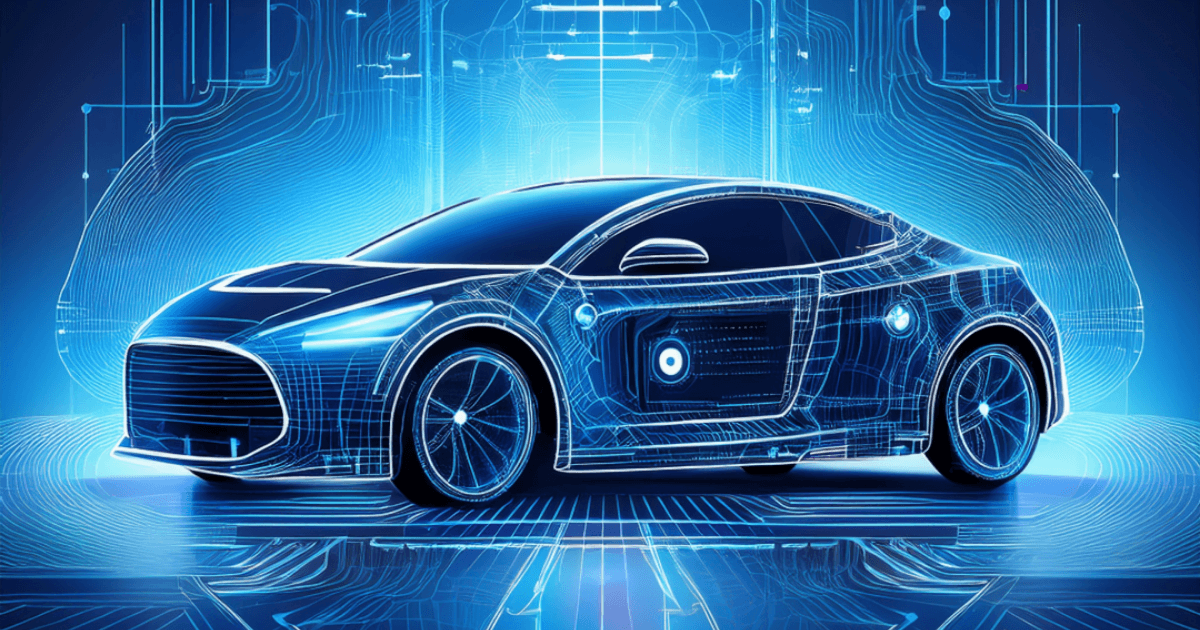
Credit: www.opal-rt.com
How Powertrain Affects Performance
The powertrain is the group of parts that make a car move. It includes the engine, transmission, and drivetrain.
The design of the powertrain changes how the car performs in many ways. It affects speed, fuel use, and how well the car handles.
Acceleration And Speed
The powertrain controls how fast a car can speed up. A stronger engine and good transmission help the car reach higher speeds quickly.
The drivetrain type also changes speed. For example, all-wheel drive can give better acceleration on slippery roads.
- Powerful engines increase acceleration
- Automatic transmissions shift gears smoothly
- All-wheel drive improves grip and speed on tough surfaces
Fuel Efficiency
The powertrain affects how much fuel a car uses. Efficient engines and transmissions save gas by using less energy.
Some powertrains use technology to reduce waste. This helps the car go farther on each tank of fuel.
- Smaller engines often use less fuel
- Modern transmissions can lower fuel use
- Hybrid powertrains combine gas and electric power for better efficiency
Handling And Traction
The powertrain affects how a car handles corners and stays stable. Different drivetrains send power to different wheels.
Good traction helps the car stay on the road and avoid slipping. This is important in wet or icy conditions.
- Front-wheel drive offers good traction in most conditions
- Rear-wheel drive can improve handling on dry roads
- All-wheel drive gives the best traction on slippery surfaces
Common Powertrain Configurations
The powertrain of a car includes the engine, transmission, and drivetrain. It delivers power from the engine to the wheels. Different cars use different powertrain setups to match driving needs and road conditions.
Three common powertrain configurations are front-wheel drive, rear-wheel drive, and all-wheel drive. Each has unique features and benefits for various driving styles.
Front-wheel Drive
Front-wheel drive cars send power to the front wheels only. This setup is common in small and midsize cars. It offers good fuel efficiency and space inside the car.
Because the engine and drive wheels are in the front, these cars often have better traction on slippery roads. They also tend to be easier to handle for most drivers.
Rear-wheel Drive
Rear-wheel drive cars send power to the rear wheels. This setup is popular in sports cars and trucks. It provides better balance and handling during fast driving.
- Better acceleration on dry roads
- Improved steering feel
- More weight on the front wheels, which can reduce traction on ice
All-wheel Drive
All-wheel drive sends power to all four wheels. This helps cars keep traction in snow, rain, and off-road conditions. It is common in SUVs and crossovers.
| Feature | Benefit |
| Power to all wheels | Better grip on slippery surfaces |
| Automatic power distribution | Improved stability and control |
| More complex system | Higher maintenance costs |

Credit: www.youtube.com
Maintaining Your Powertrain
The powertrain in a car includes the engine, transmission, and drivetrain. It helps the car move and perform well. Taking care of your powertrain keeps your vehicle running smoothly for a long time.
Regular maintenance helps avoid costly repairs. It also improves fuel efficiency and safety. Here are some tips to help you maintain your powertrain.
Regular Inspection Tips
Check your powertrain often to find problems early. Look at fluid levels, belts, and hoses. Clean or replace parts if needed. Pay attention to any strange noises or vibrations.
- Check engine oil and transmission fluid monthly.
- Inspect belts and hoses for cracks or leaks.
- Listen for unusual sounds from the engine or transmission.
- Keep the cooling system in good condition.
- Follow the manufacturer’s service schedule.
Signs Of Wear And Tear
Watch for warning signs that show your powertrain needs attention. These signs can help you catch problems early and avoid bigger damage.
| Symptom | Possible Cause |
| Slipping gears | Worn transmission parts |
| Strange noises | Damaged bearings or gears |
| Fluid leaks | Broken seals or gaskets |
| Loss of power | Engine or drivetrain issues |
| Vibrations | Misaligned or damaged parts |
When To Seek Professional Help
If you notice any signs of wear or if your powertrain feels different, see a mechanic. Some problems need special tools and skills to fix.
- Engine warning lights stay on.
- Transmission slips or won’t shift properly.
- Persistent fluid leaks that you cannot fix.
- Unusual noises that don’t go away.
- Power loss or poor fuel efficiency.
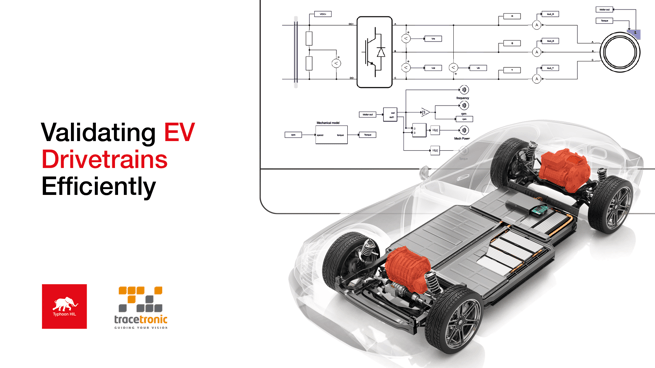
Credit: info.typhoon-hil.com
Frequently Asked Questions
What Parts Make Up A Car’s Powertrain?
A powertrain includes the engine, transmission, driveshaft, and wheels. These parts work together to move the car.
How Does A Powertrain Affect Car Performance?
The powertrain controls how much power reaches the wheels. It impacts speed, acceleration, and fuel efficiency.
What Is The Difference Between Powertrain And Drivetrain?
The drivetrain moves power to the wheels. The powertrain includes the engine plus the drivetrain parts.
Can Powertrain Issues Cause Car Problems?
Yes, powertrain problems can cause poor performance, strange noises, or difficulty moving the car.
How To Maintain A Car’s Powertrain?
Regular oil changes, transmission checks, and engine tune-ups help keep the powertrain working well.
Conclusion
The powertrain is the heart of every car. It moves the vehicle and controls speed. Understanding it helps you know how cars work. It includes the engine, transmission, and more. Each part plays a key role in driving. Knowing this can help with car care.
It also makes you a smarter driver. Powertrains differ by car type and use. This knowledge makes car talks easier and clearer. Simple but important.