

Last Updated on June 17, 2026
Have you ever wondered why your car stops the way it does when you hit the brakes? The secret lies in something called brake bias.
Understanding brake bias can make a big difference in how safely and smoothly your vehicle comes to a stop. If you want to take control of your driving experience and boost your confidence behind the wheel, learning about brake bias is a great place to start.
Keep reading, and you’ll discover what brake bias is, why it matters, and how it affects your car’s performance every time you press the brake pedal.

Credit: racingpedalboxes.com
Brake Bias Basics
Brake bias controls how much braking force the front and rear wheels get. It affects vehicle stability and stopping power.
Understanding brake bias helps drivers and mechanics improve safety and performance. It balances braking to avoid skidding or loss of control.
What Brake Bias Means
Brake bias is the distribution of braking force between front and rear wheels. It decides which set of wheels slows down more during braking.
- Front bias means more force on front wheels.
- Rear bias means more force on rear wheels.
- Balanced bias splits force evenly.
Front Vs Rear Bias
Most cars have a front brake bias. Front wheels handle most braking because they bear more weight when stopping.
| Bias Type | Effect | Common Use |
| Front Bias | Strong front braking, stable stopping | Most passenger cars |
| Rear Bias | Rear wheels brake harder, risk of skidding | Some race cars |
| Balanced Bias | Equal braking force, balanced control | Specialty vehicles |
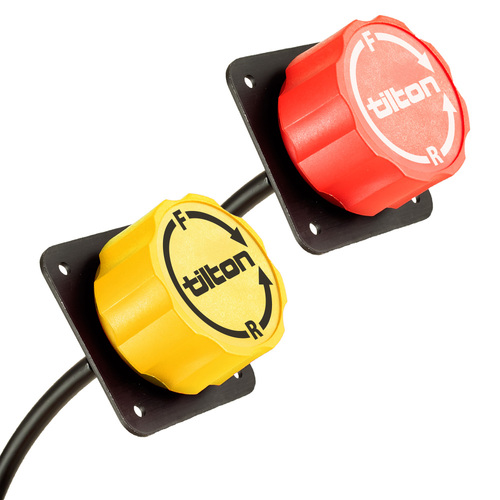
Credit: www.racerindustries.com.au
Impact On Vehicle Handling
Brake bias means how the braking force splits between front and rear wheels. It changes how the car reacts when braking.
Good brake bias helps keep control and balance. It is very important for safe driving and fast stops.
Effect On Stability
Brake bias affects the car’s stability during braking. If too much force goes to the front, the rear may lose grip.
Too much force on the rear wheels can cause the back to slide out. Balanced brake bias keeps the car steady.
- Front bias: More braking power on front wheels
- Rear bias: More braking power on rear wheels
- Balanced bias: Even braking force on all wheels
Influence On Cornering
Brake bias changes how a car handles in corners. It affects grip and how the car turns.
If the front brakes are stronger, the car may understeer and go wide in a turn. More rear brake force can cause oversteer.
- Understeer: Front tires lose grip first
- Oversteer: Rear tires lose grip first
- Proper bias helps balance cornering forces
Adjusting Brake Bias
Brake bias controls how braking force splits between the front and rear wheels. Adjusting it helps improve control and safety while driving.
Changing brake bias affects how your vehicle handles during stops. It can prevent skidding and balance wear on brake parts.
Tools And Techniques
You need the right tools to adjust brake bias correctly. Basic tools include a brake proportioning valve and a pressure gauge.
- Brake proportioning valve to change force distribution
- Pressure gauge to measure brake line pressure
- Wrenches and screwdrivers for adjustments
- Test track or safe road for trial runs
Techniques for adjusting bias depend on the vehicle type and brake setup. Fine adjustments require testing and small changes at a time.
When To Adjust Bias
You should adjust brake bias in certain situations to keep your vehicle safe and stable.
| Situation | Reason to Adjust |
| Heavy load | Balance braking force for extra weight |
| Track racing | Optimize braking for corners and speed |
| Brake upgrade | Match new brake parts for better performance |
| Slippery roads | Reduce rear brake to avoid skidding |

Credit: racingpedalboxes.com
Common Brake Bias Issues
Brake bias controls how braking force divides between front and rear wheels. Proper balance keeps your car safe and stable. Problems with brake bias can cause uneven braking and loss of control.
This guide explains signs of brake bias imbalance and offers troubleshooting tips to help fix them.
Signs Of Imbalance
When brake bias is off, your car may show these signs:
- The car pulls to one side during braking
- Front or rear wheels lock up too soon
- Longer stopping distance than usual
- Uneven brake pad wear
- A feeling of instability or skidding
Troubleshooting Tips
Follow these steps to find and fix brake bias problems:
| Issue | Possible Cause | Solution |
| Car pulls left or right | Unequal brake pressure | Check brake lines and calipers |
| Front wheels lock up first | Too much front brake bias | Adjust brake bias valve or proportioning valve |
| Rear wheels lock up first | Too much rear brake bias | Inspect rear brake components |
| Brake pedal feels soft or spongy | Air in brake lines | Bleed the brake system |
| Uneven pad wear | Faulty caliper or bias | Replace worn parts and rebalance brakes |
Frequently Asked Questions
What Is Brake Bias In Simple Terms?
Brake bias is the balance of braking force between front and rear wheels during stopping.
Why Does Brake Bias Matter For Car Safety?
Proper brake bias helps prevent skidding and improves vehicle control when braking.
How Can Brake Bias Affect Vehicle Handling?
Brake bias changes can make a car turn better or worse under braking.
Can Brake Bias Be Adjusted On All Vehicles?
Many performance cars allow brake bias adjustment; most standard cars do not.
What Happens If Brake Bias Is Set Incorrectly?
Incorrect brake bias can cause uneven brake wear and reduce stopping efficiency.
Conclusion
Brake bias controls how much braking power goes to front or rear wheels. It helps keep your car steady when stopping fast. Adjusting brake bias can improve safety and car handling. Knowing about brake bias helps you understand vehicle behavior better.
Always remember, proper brake balance can prevent accidents and save lives. Keep this in mind for safer driving every day.