

Last Updated on June 17, 2026
Have you ever wondered what keeps your car’s engine from overheating, even on the hottest days? The answer lies in a crucial but often overlooked component—coolant.
Understanding what coolant is and how it works can save you from costly repairs and keep your engine running smoothly. You’ll discover the vital role coolant plays in protecting your engine, why it’s important to maintain the right level, and how it impacts your vehicle’s performance.
Keep reading to learn how a simple fluid can make a big difference for your car’s health.

Credit: www.whocanfixmycar.com
Coolant Basics
Coolant is a fluid used in engines to control temperature. It stops engines from getting too hot or freezing in cold weather.
Without coolant, engines can overheat and get damaged quickly. It moves heat away from the engine to keep it safe.
Types Of Coolants
There are different kinds of coolants made for various engines. Each type has special features to fit engine needs.
- Ethylene Glycol: Common and effective at heat transfer.
- Propylene Glycol: Safer for the environment and less toxic.
- Inorganic Acid Technology (IAT): Traditional coolant with good protection.
- Organic Acid Technology (OAT): Longer-lasting and less corrosive.
- Hybrid Organic Acid Technology (HOAT): Combines features of IAT and OAT.
Composition And Properties
Coolants usually mix water with chemicals to stop freezing and boiling. They also protect the engine from rust and damage.
The main parts include antifreeze, water, and additives. These parts help the coolant work well under different conditions.
- Antifreeze lowers freezing point and raises boiling point.
- Water carries heat away from the engine.
- Additives prevent rust and corrosion inside the engine.
- Some coolants have dyes to show leaks easily.
Coolant Functions In Engines
Coolant is a special liquid that helps engines run safely. It moves heat away from the engine parts.
Without coolant, engines can get too hot and break down. Coolant keeps the engine at the right temperature.
Heat Absorption And Dissipation
Coolant absorbs heat from the engine as it works. The hot coolant then travels to the radiator.
In the radiator, the coolant releases the heat into the air. This process cools the liquid before it returns to the engine.
- Absorbs heat from engine parts
- Flows through engine to collect heat
- Releases heat in the radiator
- Cools down before returning to the engine
Preventing Overheating
Coolant stops the engine from getting too hot. Overheating can cause engine parts to melt or break.
By keeping the temperature steady, coolant helps the engine last longer and work better.
- Maintains safe engine temperature
- Prevents damage to engine parts
- Helps engine run smoothly
- Protects engine in hot weather
Coolant Maintenance
Coolant helps keep your engine from overheating. It moves heat away and stops freezing in cold weather.
Keeping coolant in good shape is important for engine health. Regular checks can prevent engine problems.
Checking Coolant Levels
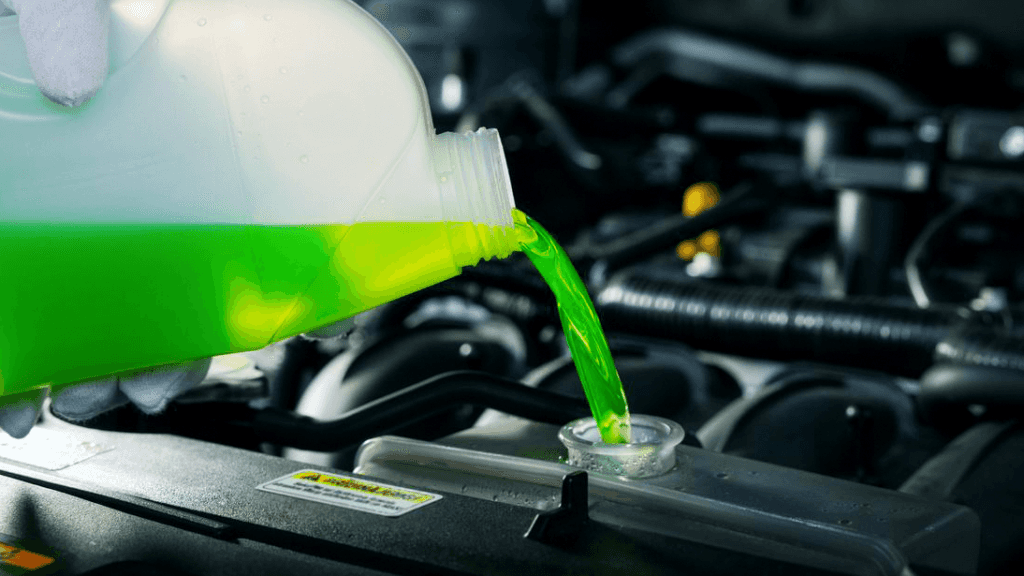
Check coolant levels when the engine is cold. Open the hood and find the coolant reservoir.
The reservoir has marks for minimum and maximum levels. Make sure the coolant is between these marks.
- Check coolant every month
- Add coolant if below minimum mark
- Use the type recommended by your vehicle
- Never open the radiator cap when hot
When To Replace Coolant
Coolant loses its effectiveness over time. Old coolant can cause engine damage.
Replace coolant based on your car manual or every 2 to 5 years. Check for signs like color change or debris.
- Coolant turns rusty or cloudy
- Engine overheats frequently
- Coolant smells strange
- Service interval from your vehicle guide
Credit: www.tascavwwhiteplains.com
Common Coolant Issues
Coolant keeps engines from overheating. It also protects parts from damage. Problems with coolant cause engine trouble.
Knowing common coolant issues helps you avoid costly repairs. Leaks and bad coolant use are major concerns.
Leaks And Contamination
Leaks let coolant escape, lowering its level. Contamination happens when dirt or oil mixes with coolant. Both issues reduce cooling power.
- Coolant leaks often appear as puddles under the car.
- Damaged hoses or radiator cause leaks.
- Contaminants like oil or rust harm coolant quality.
- Dirty coolant can block engine passages.
- Mixing different coolant types causes sludge buildup.
Effects Of Improper Coolant Use
Using wrong coolant or old coolant leads to engine damage. It can cause overheating and corrosion inside the engine.
| Problem | Cause | Effect |
| Overheating | Wrong coolant type | Engine parts warp or crack |
| Corrosion | Old or mixed coolant | Metal parts weaken and leak |
| Clogging | Contaminated coolant | Reduced coolant flow, hot spots |
| Freezing | Insufficient antifreeze | Coolant freezes, engine cracks |

Credit: www.crossroadshelpline.com
Frequently Asked Questions
What Is Engine Coolant And Why Is It Important?
Engine coolant is a liquid that keeps the engine from overheating and freezing. It protects the engine parts.
How Does Coolant Protect Engines From Overheating?
Coolant absorbs heat from the engine and moves it to the radiator to cool down the engine.
What Types Of Coolant Are Used In Vehicles?
Common types include ethylene glycol and propylene glycol coolants, each with different chemical properties.
How Often Should Engine Coolant Be Changed?
Typically, coolant should be replaced every 2 to 5 years or as recommended by the vehicle maker.
Can Engine Coolant Prevent Engine Corrosion?
Yes, coolant contains additives that stop rust and corrosion inside the engine and cooling system.
Conclusion
Coolant keeps engines from getting too hot or freezing. It moves heat away from engine parts fast. This helps the engine run smooth and last longer. Without coolant, engines can break down or overheat. Using the right coolant protects your car and saves money.
Check and change coolant regularly to avoid problems. Simple steps make a big difference for your engine’s health. Coolant plays a key role in keeping vehicles safe and reliable.