

Last Updated on June 17, 2026
Have you ever felt your car slip or skid unexpectedly while driving? That sudden loss of control can be scary, but there’s a technology designed to help keep you safe in these moments.
It’s called Electronic Stability Control, or ESC. Understanding what ESC is and how it works could make a big difference the next time you’re behind the wheel. Keep reading to discover how this smart system protects you and your passengers, making your drives safer and more secure.

Credit: www.carsales.com.au
How Esc Works
Electronic Stability Control (ESC) helps keep vehicles stable on the road. It senses when a car begins to skid or lose control.
ESC uses sensors and brakes to help the driver stay on the intended path. It acts quickly to correct the vehicle’s movement.
Sensors And Data Collection
ESC relies on many sensors to watch the car’s behavior. These sensors collect data about the vehicle’s speed, steering, and direction.
- Wheel speed sensors check how fast each wheel turns.
- Steering angle sensors measure the direction the driver wants to go.
- Yaw rate sensors detect rotation of the vehicle around its vertical axis.
- Lateral acceleration sensors sense side-to-side forces on the car.
Brake And Engine Intervention
The ESC system uses the data to decide if the car is going off course. It can apply brakes to individual wheels or reduce engine power.
| Action | Effect |
| Braking specific wheels | Helps correct the vehicle’s path |
| Reducing engine power | Slows the car to regain control |
Correction Mechanisms
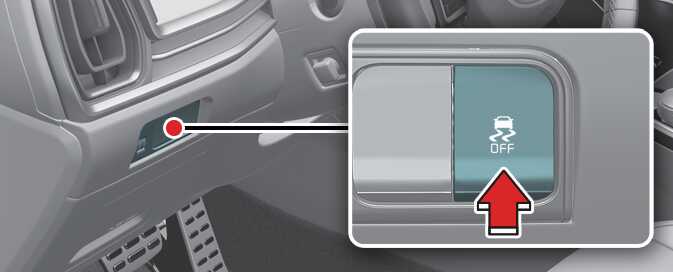
ESC corrects the car’s direction by controlling brakes and engine power. It acts fast to avoid skidding or spinning out.
- When the car starts to slide, ESC applies brakes on wheels that slow the slide.
- It lowers engine power to reduce speed safely.
- ESC helps the driver keep control during sharp turns or slippery roads.
Credit: ownersmanual.kia.com
Benefits Of Esc
Electronic Stability Control (ESC) helps keep vehicles safe on the road. It works by detecting loss of control and applying brakes to help the driver regain stability.
ESC is a key safety feature that reduces accidents and improves driving confidence. It works in all weather and road conditions.
Accident Reduction
ESC lowers the chance of crashes by helping drivers avoid skidding and slipping. It is especially useful on wet, icy, or uneven roads.
- Reduces loss of vehicle control
- Helps prevent rollovers
- Decreases crashes in slippery conditions
- Supports safe cornering and turns
Improved Vehicle Control
ESC helps drivers keep the vehicle on the right path. It adjusts brakes on each wheel to keep the car steady and balanced.
| Feature | How ESC Helps |
| Skidding | Applies brakes to correct direction |
| Oversteering | Reduces speed to regain control |
| Understeering | Adjusts braking to improve turning |
| Slippery Roads | Monitors and corrects vehicle stability |
Enhanced Driver Confidence
Drivers feel safer knowing ESC supports them in tough situations. This confidence leads to better focus and less stress while driving.
- Helps maintain control in emergencies
- Reduces panic by stabilizing the vehicle
- Encourages safer driving habits
- Improves response to sudden road changes
Esc Vs Other Safety Systems
Electronic Stability Control (ESC) helps drivers keep control of their cars. It works by preventing skids and slides on slippery roads.
ESC works with other safety systems, but it is different. Each system has its own job to keep you safe.
Esc And Abs
Anti-lock Braking System (ABS) stops the wheels from locking during hard braking. This helps the driver keep steering control.
ESC uses ABS to slow down individual wheels. It applies brakes to help the car stay on the road when turning or avoiding obstacles.
Esc And Traction Control
Traction Control stops the wheels from spinning when you accelerate on slippery surfaces. It helps the car move forward safely.
ESC uses traction control to keep the car stable. It controls wheel spin while also managing steering to prevent loss of control.
Complementary Functions
ESC, ABS, and Traction Control work together to protect drivers. Each system handles a specific task but supports the others.
- ABS prevents wheel lock during braking
- Traction Control limits wheel spin during acceleration
- ESC manages overall vehicle stability and steering
- Together, they help avoid accidents on slippery roads

Credit: www.carsales.com.au
Maintenance And Limitations
Electronic Stability Control (ESC) helps keep vehicles safe by preventing skids and loss of control. Proper care and understanding of its limits are important for it to work well.
This section covers how to maintain ESC and situations where it might not work as expected.
Regular System Checks
ESC relies on sensors and computer systems. Regular checks keep it functioning properly and alert drivers to any problems early.
- Look for warning lights on the dashboard related to ESC.
- Have your vehicle inspected by a mechanic at scheduled services.
- Ensure tire pressure is correct and tires have good tread.
- Keep the brake system in good condition.
- Update vehicle software if recommended by the manufacturer.
Common Issues
Some problems can stop ESC from working right. Knowing these issues helps you fix them quickly.
| Issue | Effect on ESC |
| Faulty wheel speed sensors | Incorrect data to ESC system |
| Low battery voltage | ESC may not activate properly |
| Damaged wiring or connectors | System errors or failure |
| Using wrong tires | False sensor readings |
Situations Where Esc May Not Help
ESC improves safety but cannot fix all driving problems. Some situations reduce its effectiveness.
- Driving on icy or snowy roads beyond control limits.
- High speeds on sharp curves or steep hills.
- Sudden extreme maneuvers or collisions.
- When tires lose contact with the road surface.
- Off-road driving on loose surfaces.
Frequently Asked Questions
What Does Electronic Stability Control (esc) Do?
ESC helps prevent car skidding by controlling brakes and engine power automatically.
How Does Esc Improve Vehicle Safety?
It keeps the car stable during sharp turns or slippery roads, reducing crash risks.
Is Esc Available On All Modern Vehicles?
Most new cars have ESC as a standard safety feature since it became mandatory.
Can Esc Work On Icy Or Wet Roads?
Yes, ESC helps maintain control on slippery surfaces by adjusting braking and power.
Does Esc Replace Safe Driving Habits?
No, ESC supports drivers but does not replace careful and attentive driving.
Conclusion
Electronic Stability Control (ESC) helps drivers stay safe on the road. It keeps the car steady during sharp turns or slippery conditions. ESC works by adjusting brakes and engine power quickly. This system reduces the risk of accidents and improves control.
Many countries require ESC in new vehicles now. Understanding ESC can help you appreciate its safety benefits. Always choose cars equipped with ESC for safer driving. Remember, ESC supports your driving, but you still need to stay alert. Safety first, every time you drive.