

Last Updated on June 17, 2026
Have you ever worried about getting a flat tire while driving? Imagine being stranded on a busy road or far from help, unsure of what to do next.
Run-flat tire technology is designed to give you peace of mind by letting you keep driving even after a puncture. But how does it work, and is it the right choice for your vehicle? You’ll discover everything you need to know about run-flat tires—how they keep you safe, their benefits, and what to consider before making the switch.
Keep reading to find out how this smart tire technology can change your driving experience for the better.

Credit: tyrentyres.com
Run-flat Tire Basics
Run-flat tires let you keep driving after a puncture. They help you reach a safe place for repair.
These tires have special designs to support the vehicle without air pressure. They add safety and convenience.
How Run-flat Tires Work
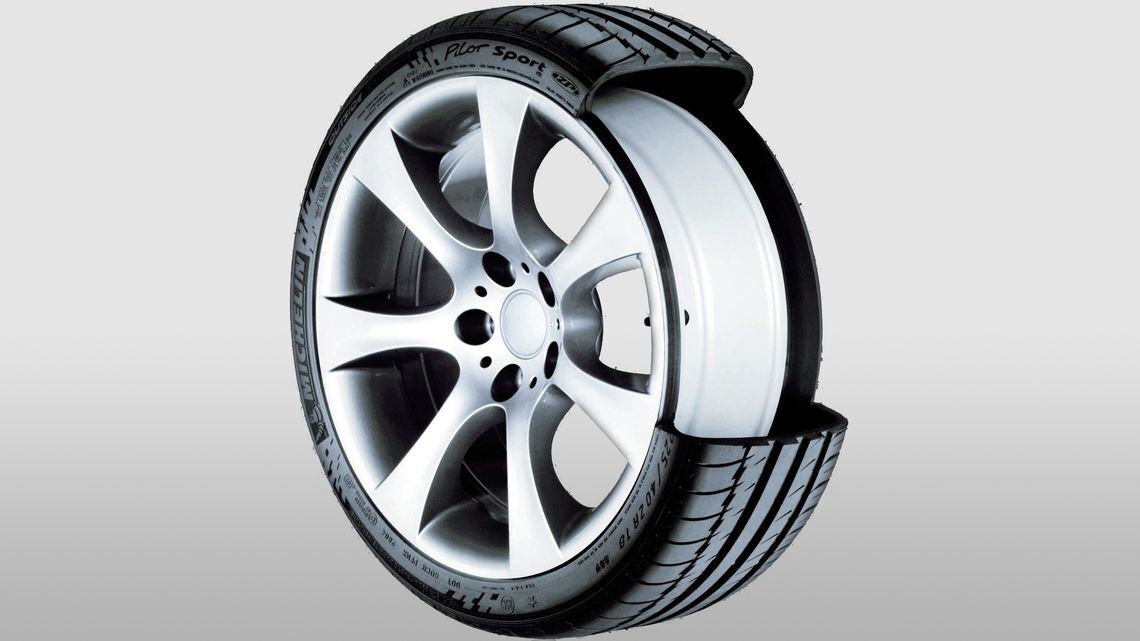
Run-flat tires use strong sidewalls to hold the car’s weight if the air leaks out. This design stops the tire from collapsing.
The tire can run at low speeds for short distances. This gives drivers time to find a safe place to fix the tire.
- Reinforced sidewalls support the car’s weight.
- Reduced speed and distance limits keep you safe.
- Built to work without air pressure temporarily.
Types Of Run-flat Tires
There are different run-flat tire types. Each type uses a unique method to keep the tire usable after a puncture.
| Type | Description | Key Feature |
| Self-Supporting | Uses stiff sidewalls to hold the vehicle weight. | Reinforced sidewalls |
| Auxiliary Supported | Has a ring inside the tire that supports the vehicle. | Internal support ring |
| Hybrid | Combines self-supporting and auxiliary designs. | Sidewalls and support ring |
Safety Advantages
Run-flat tire technology helps drivers stay safe after a tire puncture. These tires allow the vehicle to keep moving without immediate air pressure loss.
Understanding how this technology works shows why it is important for safety on the road.
Maintaining Control After A Puncture
Run-flat tires have reinforced sidewalls that support the vehicle’s weight even with no air. This design lets drivers maintain control and steer the car safely.
- Allows driving up to 50 miles at reduced speeds
- Keeps the tire from collapsing instantly
- Helps avoid sudden loss of control
- Reduces the chance of skidding or spinning out
Reduced Risk Of Accidents
Because run-flat tires keep the car stable, they lower the chance of accidents caused by sudden tire failure.
| Risk Factor | Standard Tires | Run-Flat Tires |
| Immediate tire collapse | High | Low |
| Loss of vehicle control | Common | Rare |
| Chance of crash after puncture | Increased | Reduced |
| Need for roadside tire change | Often urgent | Can be delayed safely |
Benefits Beyond Safety
Run-flat tire technology offers more than just safety during a tire puncture. These tires help drivers avoid immediate stops and continue driving with confidence. This technology improves the driving experience in practical ways.
Understanding these benefits helps drivers see why run-flat tires are a smart choice. Convenience and fuel efficiency are two key areas where these tires make a difference.
Convenience And Time Savings
Run-flat tires let you keep driving even after a puncture. This saves time and effort by avoiding immediate tire changes on the road. You can reach a safe place or a repair shop without stress.
- Drive up to 50 miles after a puncture
- Avoid emergency tire changes on highways
- Save time by scheduling repairs later
- Reduce the need to carry a spare tire
Impact On Fuel Efficiency
Run-flat tires can affect fuel efficiency in different ways. These tires weigh more than regular tires. This extra weight may slightly reduce miles per gallon. Still, some drivers find the safety benefits worth the trade-off.
| Factor | Effect on Fuel Efficiency |
|---|---|
| Weight | Increases rolling resistance, may lower efficiency |
| Spare Tire Removal | Reduces vehicle weight, can improve efficiency |
| Driving Style | Careful driving can offset weight impact |
Credit: www.michelin.ca
Considerations And Drawbacks
Run-flat tire technology lets you drive short distances after a puncture. This avoids immediate tire changes on the road. Still, there are some important points to think about before choosing these tires.
These tires have features that may affect cost, comfort, and lifespan. Knowing these details helps you decide if run-flat tires suit your needs.
Cost And Availability
Run-flat tires usually cost more than regular tires. Their special design and materials raise the price. Not all tire shops carry them, so finding replacements can be harder.
Because they are less common, these tires may not be available in all sizes. This can delay repairs or replacements, especially in smaller towns or rural areas.
Ride Comfort And Tire Lifespan
Run-flat tires have stiffer sidewalls to support the car after a puncture. This can make the ride feel rougher and less smooth. Some drivers notice more road noise with these tires.
The extra stiffness also affects how long the tires last. Run-flat tires may wear out faster than regular tires. This means you might need to replace them sooner.

Credit: www.michelin.ca
Frequently Asked Questions
What Is Run-flat Tire Technology?
Run-flat tires keep your car moving after a puncture. They have stronger sidewalls to support the car’s weight.
How Long Can Run-flat Tires Drive After A Puncture?
Run-flat tires can drive about 50 miles at 50 mph after a puncture. This helps you reach a safe place.
Are Run-flat Tires More Expensive Than Regular Tires?
Yes, run-flat tires usually cost more than regular tires due to their special design and materials.
Do Run-flat Tires Require A Tire Pressure Monitoring System?
Yes, a tire pressure monitoring system is needed. It alerts you if the tire pressure is low.
Can I Repair Run-flat Tires After They Get Damaged?
Some run-flat tires can be repaired if the damage is small and on the tread area only.
Conclusion
Run-flat tire technology helps drivers stay safe during a tire puncture. These tires allow you to keep driving for a short distance without air. This gives you time to reach a repair shop without changing the tire on the road.
They add convenience and reduce the risk of accidents. Not all vehicles use run-flat tires, so check your car’s compatibility. Understanding this technology can help you decide if it fits your needs. It offers peace of mind on the road and improves your driving experience.