

Last Updated on February 18, 2026
Have you ever wondered why some cars feel smoother and handle better than others? The secret often lies in something called unsprung weight.
Understanding what unsprung weight is and how it affects your vehicle can change the way you drive and even improve your car’s performance. You’ll discover exactly what unsprung weight means, why it matters to your ride, and how it impacts your everyday driving experience.
Keep reading to unlock the key to a better, more responsive vehicle.

Credit: mechbasic.com
Unsprung Weight Basics
Unsprung weight is the part of a vehicle’s mass that is not supported by the suspension. It includes components directly connected to the wheels. This weight affects how the vehicle handles bumps and road irregularities.
Reducing unsprung weight can improve ride quality and vehicle control. It allows the suspension to work more effectively. Understanding what parts count as unsprung weight is important for vehicle design and performance.
Components Classified As Unsprung Weight
Unsprung weight includes all parts that move with the wheels and are not cushioned by the suspension. These parts affect how the wheels respond to road surfaces.
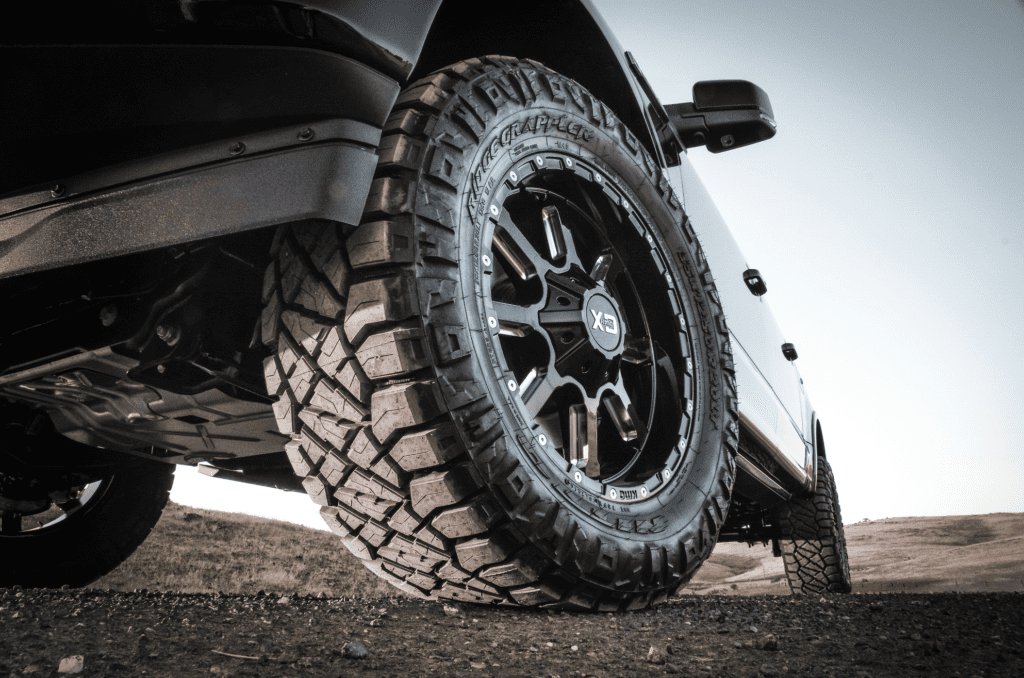
- Wheels and tires
- Brake assemblies
- Wheel hubs
- Axles
- Suspension arms and links attached below the springs
- Shock absorbers and struts (partly unsprung)
Difference Between Unsprung And Sprung Weight
Sprung weight is the part of the vehicle supported by the suspension. It includes the main body and parts that rest on the springs. Unsprung weight moves directly with the wheels and affects handling differently.
| Type of Weight | Includes | Effect on Vehicle |
|---|---|---|
| Unsprung Weight | Wheels, tires, brakes, axles | Affects ride smoothness and wheel control |
| Sprung Weight | Vehicle body, engine, seats | Affects overall vehicle mass and inertia |
Credit: burtbrothers.com
Effect On Vehicle Handling
Unsprung weight is the part of a vehicle’s mass not supported by the suspension. This includes wheels, tires, and brakes. It affects how the car moves and handles on the road.
Reducing unsprung weight can improve vehicle handling by making the suspension work better. It helps the car stay stable and responsive during driving.
Influence On Suspension Response
Lower unsprung weight lets the suspension react faster to road bumps. This means the wheels stay in better contact with the road surface. The suspension can absorb shocks more efficiently.
Higher unsprung weight makes the suspension slower to respond. This can cause a rougher ride and less control over the vehicle, especially on uneven roads.
- Less unsprung weight improves shock absorption
- Faster suspension response keeps tires on the road
- Better grip leads to safer handling
Impact On Steering Precision
Reducing unsprung weight improves steering precision. The wheels can turn more easily and follow driver input closely. This makes the car feel more agile and controlled.
Heavy unsprung parts can slow steering response and make the car feel less stable. This can reduce driver confidence and increase the effort needed to steer.
- Lower unsprung weight means quicker steering response
- Improved wheel control enhances driver feedback
- Better steering helps with sharp turns and cornering
Performance And Ride Quality
Unsprung weight is the part of a vehicle’s weight not supported by the suspension. It includes wheels, tires, brakes, and other components below the suspension.
Reducing unsprung weight helps improve how a vehicle performs and how comfortable it feels on the road.
Acceleration And Braking Considerations
Lower unsprung weight makes it easier for the engine to spin the wheels faster. This improves acceleration because less energy is needed to move the wheels.
During braking, lighter wheels and brakes respond quicker. This leads to shorter stopping distances and better control.
- Less energy needed to speed up wheels
- Faster response during braking
- Improved fuel efficiency due to lower resistance
Comfort And Road Feedback
Reducing unsprung weight helps the suspension work better. It keeps the tires in contact with the road more often.
This improves ride comfort by reducing bumps and vibrations felt inside the vehicle. Drivers also get better road feedback for safer handling.
- Smoother ride over rough roads
- Better tire grip and control
- Enhanced driver confidence with clear road feel

Credit: mercedesblog.com
Reducing Unsprung Weight
Unsprung weight means the parts of a vehicle not supported by the suspension. This includes wheels, tires, brakes, and some suspension parts.
Reducing unsprung weight helps improve handling, ride quality, and tire contact with the road. It makes the vehicle respond faster and smoother.
Lightweight Materials And Components
Using lighter materials lowers unsprung weight. Many car parts can be made from aluminum, carbon fiber, or magnesium instead of steel.
These materials keep parts strong but reduce their mass. This helps the suspension work better and improves vehicle control.
- Aluminum control arms and knuckles
- Carbon fiber brake rotors and calipers
- Magnesium wheels and suspension brackets
Upgrading Wheels And Suspension Parts
Swapping heavy wheels for lighter ones reduces unsprung weight quickly. Lightweight wheels help the car turn and stop more easily.
Upgrading suspension parts like shocks and springs to lighter models also helps. These changes improve ride comfort and handling.
- Lighter alloy or forged wheels
- Performance shocks with lighter internals
- High-quality springs made from advanced steel
Frequently Asked Questions
What Does Unsprung Weight Mean In Vehicles?
Unsprung weight is the mass of parts not supported by the car’s suspension.
Why Is Unsprung Weight Important For Vehicle Performance?
Lower unsprung weight improves ride quality and handling by allowing better suspension response.
Which Parts Contribute To Unsprung Weight In Cars?
Wheels, tires, brakes, and suspension components are main parts adding to unsprung weight.
How Does Unsprung Weight Affect Vehicle Safety?
Less unsprung weight helps tires stay in contact with the road, enhancing control and safety.
Can Reducing Unsprung Weight Improve Fuel Efficiency?
Reducing unsprung weight can slightly improve fuel efficiency by decreasing rolling resistance.
Conclusion
Unsprung weight affects how a vehicle handles and rides. Lower unsprung weight helps the suspension work better. This leads to smoother driving and improved control. Car makers focus on reducing it for better performance. Knowing about unsprung weight helps you understand car behavior.
It also guides choices when upgrading parts like wheels or brakes. Keep this in mind to improve your driving experience. Simple changes can make a noticeable difference on the road.