

Last Updated on April 15, 2026
Have you ever wondered why some cars feel so easy to steer while others require more effort? Understanding the difference between power steering and manual steering can change the way you drive—and how comfortable your ride feels.
Whether you’re buying a new car or just curious about how your vehicle works, knowing these key differences will help you make smarter decisions and avoid surprises on the road. Keep reading, because what you learn here could make every turn smoother and safer for you.
Power Steering Basics
Power steering helps drivers turn the wheel with less effort. It uses extra force to make steering easier.
This system is different from manual steering, which needs more physical strength to move the wheels.
How Power Steering Works
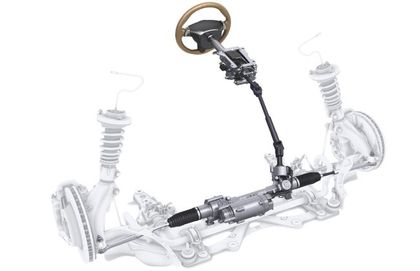
Power steering uses a pump, valves, and fluid to help turn the wheels. When you turn the steering wheel, the system adds force to make the move easier.
- The driver turns the steering wheel.
- A sensor or valve detects the movement.
- The pump sends fluid pressure to help the wheels turn.
- The extra force reduces the effort needed by the driver.
Types Of Power Steering Systems
There are two main types of power steering: hydraulic and electric. Each has its own way of helping drivers steer.
| Type | Description | Advantages |
| Hydraulic Power Steering | Uses fluid pressure from a pump driven by the engine. | Strong assist and smooth steering feel. |
| Electric Power Steering | Uses an electric motor to provide assistance. | Better fuel efficiency and easy to adjust. |

Credit: medium.com
Manual Steering Features
Manual steering uses the driver’s force to turn the wheels. It does not have a power assist system. This makes it simpler but requires more effort to steer.
This steering type is common in older cars and some small vehicles. It works well in certain situations and has unique characteristics.
Mechanics Of Manual Steering
Manual steering works by connecting the steering wheel to the wheels through a series of parts. These parts include the steering shaft, gears, and linkages.
- The driver turns the steering wheel.
- The steering shaft moves the steering gear.
- The gear moves the linkages connected to the wheels.
- The wheels turn in the desired direction.
When Manual Steering Is Preferred
Manual steering is chosen for its simplicity and reliability. It works well in these cases:
| Reason | Details |
|---|---|
| Lower Cost | No complex parts or power units are needed. |
| Less Maintenance | Fewer parts mean fewer things to repair. |
| Better Feedback | Drivers feel road conditions directly through the steering. |
| Lighter Vehicles | Small cars or off-road vehicles benefit from manual steering. |
Comparing Control And Effort
Power steering and manual steering systems differ in how much effort they need. They also vary in control and precision while driving.
Understanding these differences helps drivers choose the right steering type for their needs. Let’s look at steering effort and handling closely.
Steering Effort Differences
Manual steering requires more physical effort from the driver. Power steering uses a motor or hydraulic system to reduce this effort.
- Manual steering needs strong arm force, especially at low speeds.
- Power steering reduces the force needed to turn the wheel.
- Power steering helps drivers steer easily in tight spaces.
- Manual steering may tire the driver during long drives or parking.
Handling And Precision
Manual steering gives a direct feel of the road. Drivers can sense road conditions better through the steering wheel.
| Steering Type | Control Feel | Precision |
| Manual Steering | Strong, direct feedback | High precision at low speeds |
| Power Steering | Smoother, assisted feedback | Good precision, may feel less direct |

Credit: www.youtube.com
Benefits Of Each Steering Type
Steering helps drivers control their vehicles. There are two main types: power steering and manual steering.
Each type has its own benefits. Knowing these can help you understand how steering works.
Advantages Of Power Steering
Power steering uses a motor or hydraulic system to help turn the wheels. This makes steering easier and smoother.
It is very useful in heavy cars and during parking. Drivers do not need to use much effort to steer the vehicle.
- Reduces driver effort when turning the wheel
- Makes parking in tight spaces easier
- Improves control at low speeds
- Helps reduce driver fatigue on long drives
- Enhances comfort and driving experience
Advantages Of Manual Steering
Manual steering does not use extra power to assist turning. It connects the steering wheel directly to the wheels.
This makes the system simple and reliable. It also costs less to maintain and repair.
- Simple design with fewer parts
- Lower cost to buy and fix
- Provides direct feedback to the driver
- Less chance of power failure
- Good for small or light vehicles
Credit: www.cardekho.com
Frequently Asked Questions
What Is The Main Difference Between Power And Manual Steering?
Power steering uses a motor to help turn the wheels, while manual steering needs physical effort.
How Does Power Steering Make Driving Easier?
It reduces the force needed to turn the steering wheel, especially at low speeds or parking.
Are Manual Steering Systems Cheaper To Maintain?
Yes, manual steering has fewer parts and is less costly to fix than power steering.
Which Steering Type Is Better For Fuel Efficiency?
Manual steering is lighter and uses no extra power, which can improve fuel economy slightly.
Can Power Steering Fail Suddenly While Driving?
Power steering can fail if the fluid leaks or the motor breaks, but the car can still be steered manually.
Conclusion
Power steering makes driving easier by reducing effort needed to turn. Manual steering gives a direct feel but requires more strength. Both types have pros and cons depending on driver needs. Choosing the right one depends on comfort and vehicle type.
Understanding these differences helps in making a better choice. Drive safe and enjoy your ride with the steering that suits you best.