

Last Updated on April 15, 2026
When it comes to your car’s safety, you might think about tires, seat belts, or even the engine. But have you ever stopped to consider the role of brake fluid?
This small, often overlooked liquid plays a huge part in making sure your brakes work the moment you need them. If you want to keep yourself and your loved ones safe on the road, understanding the importance of brake fluid is a must.
You’ll discover why brake fluid is essential, how it affects your braking system, and what you can do to keep it in top shape. Keep reading—your safety depends on it.

Credit: jxlperformance.co.uk
Role Of Brake Fluid
Brake fluid is a vital part of a car’s braking system. It helps move the force from the brake pedal to the brakes themselves.
This fluid makes sure the brakes respond quickly and safely when you press the pedal.
How Brake Fluid Transmits Force
Brake fluid moves pressure from the brake pedal to the brake pads. It does this through the brake lines.
When you push the brake pedal, it presses on the fluid. The fluid pushes the brake parts to slow or stop the car.
- Brake fluid is not easily compressed
- It transfers pressure evenly
- This helps the brakes work smoothly
Types Of Brake Fluid
There are different types of brake fluid. Each type works best for certain cars and conditions.
Choosing the right brake fluid keeps the braking system safe and effective.
- DOT 3:Common and affordable, good for everyday use
- DOT 4:Higher boiling point, better for heavy braking
- DOT 5:Silicone-based, does not absorb water, used in special cars
- DOT 5.1:Like DOT 4 but with higher performance
Signs Of Brake Fluid Problems
Brake fluid is key to making your brakes work well. It moves the force from the pedal to the brake parts. If the fluid has issues, your brakes may not work right.
Knowing the signs of brake fluid problems helps you stay safe. Watch for changes in how your brakes feel or look.
Common Symptoms
One common sign is a soft or spongy brake pedal. This means the brake fluid might have air or leaks. Another sign is a brake warning light on your dashboard.
You may also notice fluid leaking near the wheels or under the car. Dark or dirty brake fluid can cause problems too. It should be clear or light amber.
- Soft or spongy brake pedal
- Brake warning light on dashboard
- Brake fluid leaks near wheels or under car
- Dark or dirty brake fluid
Effects On Braking Performance
Bad brake fluid reduces the power of your brakes. You may need to press the pedal harder to stop. This can increase the risk of accidents.
Old or contaminated fluid can cause parts to wear out faster. It may also lead to brake failure in emergency stops. Good brake fluid keeps your brakes fast and safe.
- Reduced braking power
- Longer stopping distances
- Faster wear of brake parts
- Possible brake failure in emergencies
Brake Fluid Maintenance
Brake fluid is very important for your car’s braking system. It helps transfer pressure from the brake pedal to the brakes.
Keeping brake fluid clean and at the right level helps your brakes work well and stay safe.
Recommended Replacement Intervals
Brake fluid should be replaced regularly to keep it fresh. Old fluid can absorb water and lose its ability to work.
Most car makers suggest changing brake fluid every 2 years or 30,000 miles. Check your car manual for exact times.
- Change fluid every 2 years or 30,000 miles
- Replace sooner if the fluid looks dark or dirty
- Use the correct brake fluid type for your car
Checking Fluid Levels
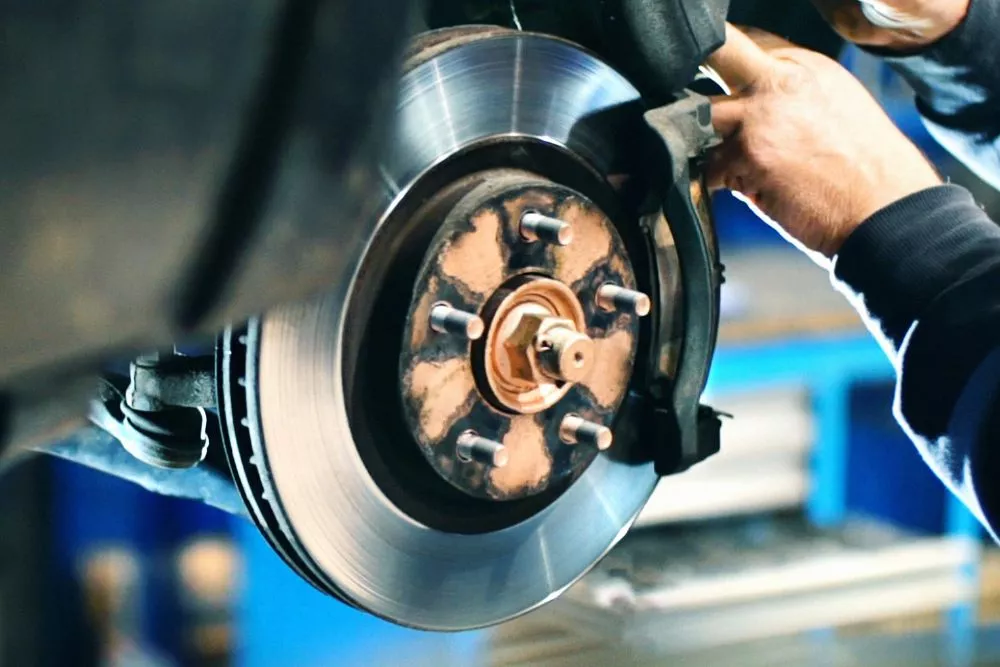
Check the brake fluid level in the reservoir regularly. Low fluid can cause poor braking performance.
Make sure the fluid is clear and not cloudy. Dirty fluid means it needs to be replaced.
- Check fluid every month or before long trips
- Keep fluid between the “MIN” and “MAX” marks
- Do not mix different types of brake fluid
Credit: www.johnellisandson.com
Safety Risks Of Neglect
Brake fluid plays a key role in your vehicle’s braking system. Neglecting it can cause serious safety problems. It helps transfer force from the brake pedal to the brake pads.
Without proper brake fluid maintenance, the braking system can fail. This puts drivers and passengers at great risk on the road.
Brake Failure Consequences
When brake fluid is old or contaminated, it loses its ability to work correctly. This leads to brake failure and dangerous situations.
- Longer stopping distances, increasing crash risk
- Brake pedal feels soft or sinks to the floor
- Overheating brakes that cause damage
- Corrosion inside the brake system parts
- Complete brake system failure in extreme cases
Preventive Measures
Regular brake fluid checks and changes keep the braking system safe. This simple care prevents accidents and costly repairs.
| Preventive Action | Frequency | Reason |
| Check brake fluid level | Monthly | Ensure enough fluid for braking |
| Inspect fluid color and clarity | Every 6 months | Identify contamination or aging |
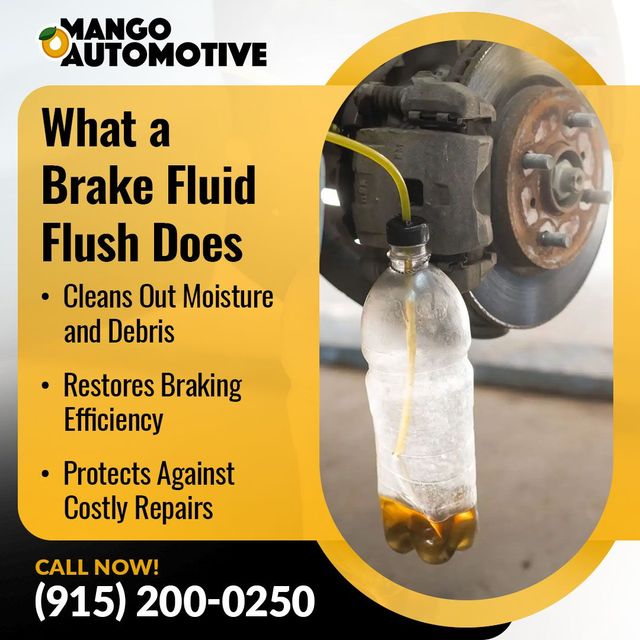
| Flush and replace brake fluid | Every 2 years | Remove moisture and impurities |
| Use recommended brake fluid type | At every change | Maintain system compatibility |
Credit: www.mangoautomotive.com
Frequently Asked Questions
What Is The Role Of Brake Fluid In The Braking System?
Brake fluid transfers force from the brake pedal to the brake pads, enabling the car to stop safely.
How Often Should Brake Fluid Be Changed?
Brake fluid should be changed every 1 to 2 years or as recommended by the vehicle manufacturer.
What Happens If Brake Fluid Is Low Or Old?
Low or old brake fluid can cause brake failure or reduced braking power, risking safety on the road.
Can Brake Fluid Absorb Moisture? Why Is It Bad?
Yes, brake fluid absorbs moisture, which can lead to corrosion and reduced braking efficiency.
How To Check If Brake Fluid Needs Replacement?
Check for dark or dirty fluid in the reservoir and any spongy feeling in the brake pedal.
Conclusion
Brake fluid plays a key role in your vehicle’s braking system. It helps transfer force from the brake pedal to the wheels. Without good brake fluid, stopping your car becomes unsafe. Regularly checking and changing brake fluid keeps brakes working well.
Clean fluid prevents damage and improves brake response. Never ignore brake fluid maintenance for your safety. Small efforts keep you and others safe on the road. Trust the power of proper brake fluid care. It protects lives and ensures smooth driving every time.