

Last Updated on April 15, 2026
Have you ever felt your brakes acting strangely but weren’t sure why? If your brake pedal feels soft or your car doesn’t stop as quickly as it should, there might be air trapped in your brake lines.
This hidden problem can put your safety at risk without you even realizing it. Knowing the signs of air in brake lines can help you spot the issue early and avoid dangerous situations on the road. Keep reading to learn exactly what to watch for and how to protect yourself and your vehicle.

Credit: southparktire.com
Common Symptoms Of Air In Brake Lines
Air trapped in brake lines can cause serious problems. It affects how well your brakes work. Recognizing the symptoms early helps keep you safe on the road.
Air in the brake lines reduces the brake system’s ability to stop the car quickly. This can lead to longer stopping distances and unsafe driving conditions.
Spongy Brake Pedal Feel
A spongy or soft brake pedal is a common sign of air in the brake lines. When you press the pedal, it may feel like it sinks too easily or has extra give.
This happens because air compresses inside the brake lines, unlike brake fluid. The pedal won’t feel firm and responsive, making braking less reliable.
Increased Pedal Travel
If you notice the brake pedal travels further down than usual, air might be in the lines. This means you need to press the pedal more to slow or stop the car.
Extra pedal travel reduces your control and can cause delayed braking. It increases the risk of accidents, especially in emergencies.
Brake Warning Light Activation
The brake warning light on your dashboard may come on if there is air in the brake system. This light signals a problem with brake pressure or fluid levels.
Ignoring this warning can lead to brake failure. Always check your brake lines and bleed air out if the light stays on.
Credit: jerry.ai
Causes Leading To Air In Brake Lines
Air in brake lines can make your brakes feel soft or spongy. This happens because air compresses, unlike brake fluid.
Understanding what causes air to enter brake lines helps keep your brakes safe and strong.
Brake Fluid Leaks
Brake fluid leaks allow air to enter the brake system. Leaks can happen at connections or brake parts.
When fluid leaks out, air fills the empty space inside the brake lines. This reduces brake pressure.
- Damaged brake hoses cause leaks
- Loose or worn fittings let fluid escape
- Cracked brake calipers allow fluid loss
Improper Brake Maintenance
Skipping regular brake checks can let air enter brake lines. Old fluid can also cause problems.
Not bleeding brakes properly after repairs traps air inside the system. This weakens braking power.
- Failing to replace brake fluid on time
- Improper bleeding after brake repairs
- Ignoring warning signs of brake wear
Damaged Brake Components
Worn or broken brake parts let air enter the brake lines. This lowers brake efficiency.
Damaged seals or pistons in brake cylinders can create air pockets. These pockets reduce brake force.
- Cracked brake cylinders
- Worn piston seals
- Broken or damaged brake lines
Risks Of Driving With Air In Brake Lines
Air in brake lines can cause serious safety problems. It lowers the brake system’s ability to work well. This issue can lead to dangerous driving conditions.
Knowing the risks helps you understand why this problem needs quick attention. Driving with air in the brake lines puts you and others at risk.
Reduced Braking Efficiency
Air in brake lines compresses when you press the brake pedal. This compression lowers the force sent to the brakes. As a result, the brakes do not respond as well as they should.
- Brake pedal feels soft or spongy
- Brake response is slow or weak
- Less control over the vehicle during braking
Increased Stopping Distance
Air in brake lines makes your car take longer to stop. This delay can cause accidents, especially in emergencies. You must allow more space between your car and others on the road.
| Condition | Effect on Stopping Distance |
| Normal Brake Lines | Short stopping distance |
| Brake Lines with Air | Longer stopping distance |
Potential Brake Failure
Air in the brake system can cause complete brake failure. This means the brakes might not work at all when needed. Brake failure is very dangerous and can lead to serious crashes.
Signs of potential brake failure include:
- Brake pedal goes to the floor
- Brake warning light is on
- Strange noises when braking
- Vehicle pulls to one side while braking

Credit: simonsautorepairtaunton.com
Steps To Diagnose And Fix Air In Brake Lines
Air in brake lines can cause poor brake performance and safety issues. It is important to find and remove the air quickly.
This guide explains how to diagnose air in the brake lines and fix it using proper methods.
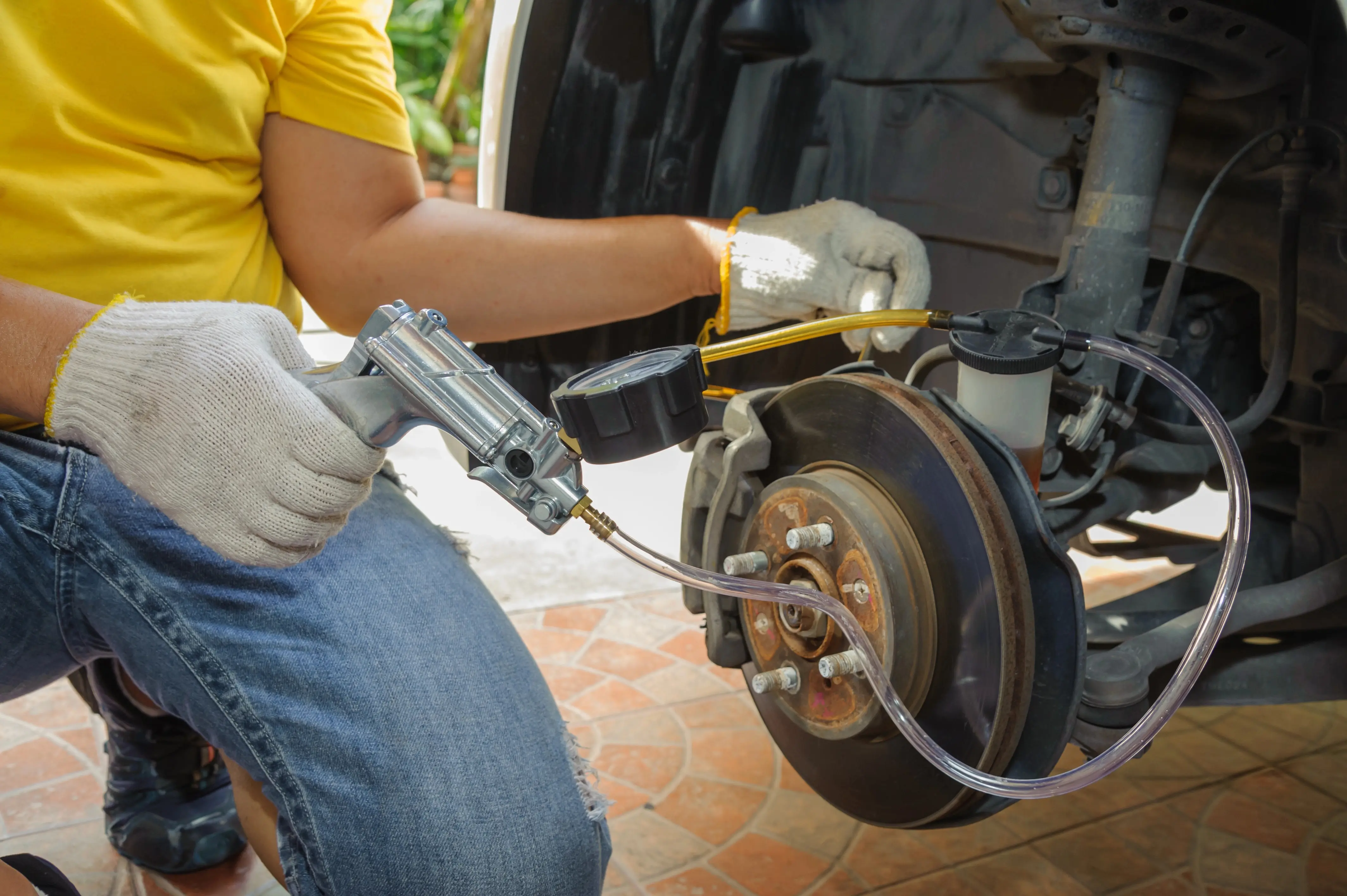
Brake Bleeding Techniques
Brake bleeding removes trapped air from the brake system. Use the right technique to ensure all air is out.
- Locate the brake bleeder valves on each wheel.
- Attach a clear tube to the valve and place the other end in a container.
- Have a helper press the brake pedal slowly.
- Open the bleeder valve to let air and fluid escape.
- Close the valve before the pedal is released.
- Repeat until no air bubbles appear in the fluid.
Professional Inspection
A mechanic can inspect the brake system for hidden air leaks or damage. They use tools to check brake pressure and fluid condition.
| Inspection Item | What to Check | Possible Issue |
| Brake Fluid | Level and clarity | Low fluid or contamination |
| Bleeder Valves | Leaks or damage | Air entry points |
| Brake Lines | Cracks or corrosion | Loss of pressure |
| Master Cylinder | Seals and function | Internal leaks |
Preventive Maintenance Tips
Regular care helps keep air out of brake lines and maintains brake safety.
- Check brake fluid level monthly.
- Change brake fluid every two years or as recommended.
- Inspect brake lines for damage during oil changes.
- Use correct brake fluid type for your vehicle.
- Bleed brakes after any repair or fluid change.
Frequently Asked Questions
What Are Common Signs Of Air In Brake Lines?
Soft or spongy brake pedal feel and reduced braking power are common signs of air in brake lines.
How Does Air In Brake Lines Affect Braking?
Air causes brake fluid to compress, making brakes less responsive and increasing stopping distance.
Can Air In Brake Lines Cause Brake Failure?
Yes, trapped air can lead to partial or total brake failure if not fixed promptly.
How To Check For Air In Brake Lines At Home?
Pump the brake pedal and look for a soft feel or uneven braking response.
How Is Air Removed From Brake Lines Professionally?
Technicians use a process called brake bleeding to remove air and restore proper brake function.
Conclusion
Air in brake lines can cause serious problems. You might feel a soft or spongy brake pedal. Your brakes may not stop the car well. Strange noises or poor brake response also signal air in lines. Fixing this quickly keeps you safe on the road.
Bleeding the brakes removes air and restores proper function. Regular brake checks help catch issues early. Don’t ignore signs of air in brake lines. Safe driving depends on reliable brakes. Stay alert and take action if you notice these signs.