

Last Updated on April 15, 2026
Imagine stepping into your car on a chilly morning and feeling warmth gently spread through your seat. Or picture driving on a hot summer day, with cool air flowing right where you need it most.
Heated and ventilated seats do exactly that—they make your ride more comfortable no matter the weather. But have you ever wondered how these amazing features actually work? Understanding how heated and ventilated seats function can change the way you appreciate your vehicle and even help you choose the right car or upgrade.
Keep reading, because what’s behind these cozy seats might surprise you.

Credit: www.reddit.com
Seat Heating Mechanism
Heated seats use electricity to warm the seat surface. This feature adds comfort during cold weather.
The heating system works by sending electric current through special parts inside the seat. These parts produce heat quickly and safely.
Heating Elements Inside Seats
Heating elements are thin wires or pads placed inside the seat cushion and backrest. They create heat when electricity passes through them.
These elements are made from materials that resist electricity. This resistance causes the wires to warm up without burning out.
- Thin wire coils or carbon fiber pads generate heat
- Elements are spread evenly to warm the seat surface
- Insulation protects seat materials and passengers
- Durable construction ensures long-lasting function
Temperature Control Systems
Temperature control systems help users set their preferred seat warmth. They keep the seat from getting too hot or too cold.
Most systems use sensors and switches to manage heat levels. Sensors detect seat temperature and adjust power accordingly.
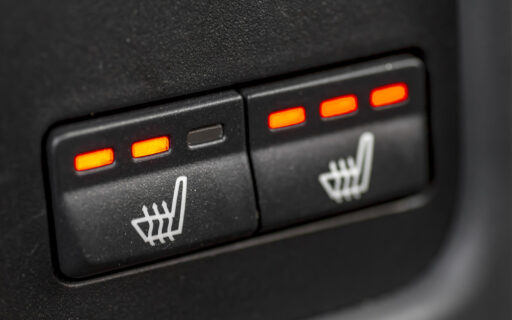
- User sets heat level with buttons or touch controls
- Sensors monitor seat temperature constantly
- Control unit adjusts electric current to heating elements
- Automatic shutoff prevents overheating and saves energy
Ventilation System Design
Heated and ventilated seats help keep drivers comfortable. The ventilation system moves air through the seat to cool the body.
This system uses special parts inside the seat. These parts work together to provide airflow and manage moisture.
Airflow Channels And Fans
Airflow channels are small paths inside the seat cushion. They guide air from the fans to the surface of the seat.
Fans push air through these channels. They are usually quiet and small, placed under the seat cover.
- Channels are made of soft materials to keep comfort
- Fans control the amount of air flow
- Air moves evenly to cool the whole seat
Moisture Management
The ventilation system helps reduce sweat by moving air. This keeps the seat dry and fresh during use.
Some seats have materials that absorb moisture. These help the air dry the seat faster and stop bad smells.
- Airflow removes sweat from skin
- Seat fabrics allow moisture to escape
- Fans help dry the seat quickly
Integration With Vehicle Controls
Heated and ventilated seats connect with a car’s control system. This connection lets the seats work with other features.
The integration helps drivers adjust seat temperature easily. It also supports automatic changes based on conditions.
User Interface Options
Drivers can control seat heating and cooling using buttons or touchscreens. These controls are often built into the dashboard or center console.
Some vehicles offer seat controls on the door panel or seat side. This makes it simple to change settings without looking away from the road.
- Physical buttons for quick access
- Touchscreen menus for detailed settings
- Steering wheel controls in some models
- Mobile apps to adjust seats remotely
Automatic Climate Adjustments
Some cars adjust seat temperature automatically. Sensors detect outside and inside temperatures to set the seat comfort level.
The system works with the car’s climate control. It changes heating or cooling based on weather and cabin temperature.
- Temperature sensors inside the cabin
- Seat sensors that detect occupant presence
- Climate control system integration
- Adjustments for different zones in the car
Credit: knaufautomotive.com
Benefits Of Heated And Ventilated Seats
Heated and ventilated seats make driving more comfortable. They adjust to weather changes to keep you cozy or cool.
These seats use built-in systems to warm or cool the seat surface. This adds comfort during long drives or daily trips.
Enhanced Comfort In All Seasons
Heated seats warm you up in cold weather. They spread heat evenly to keep you comfortable during winter.
Ventilated seats cool you down when it is hot. They use fans to blow air through the seat surface.
- Stay warm in winter without bulky clothes
- Feel cool in summer without air conditioning
- Reduce sweat by improving air flow
- Adjust settings for personal comfort
Health And Safety Advantages
Heated seats can help ease muscle pain and stiffness. The warmth improves blood flow, which soothes sore muscles.
Ventilated seats help prevent overheating. They reduce sweat, lowering the risk of skin irritation during drives.
- Reduce muscle tension on long trips
- Prevent sweating and discomfort
- Improve focus by keeping you comfortable
- Lower risk of drowsiness caused by cold or heat

Credit: www.reddit.com
Frequently Asked Questions
What Are Heated Seats And How Do They Work?
Heated seats use electric heating elements to warm the seat surface quickly and evenly.
How Do Ventilated Seats Keep You Cool?
Ventilated seats use small fans to circulate air through seat perforations, reducing heat and sweat.
Can Heated And Ventilated Seats Work Together?
Yes, some seats offer both heating and cooling, switching between functions as needed.
Are Heated And Ventilated Seats Energy Efficient?
They use low power and only run when activated, minimizing energy consumption.
Do Heated And Ventilated Seats Require Special Maintenance?
Regular cleaning is enough; avoid spills and sharp objects to keep systems working well.
Conclusion
Heated and ventilated seats keep you comfortable in all seasons. They use simple technology to warm or cool the seat surface. This feature helps reduce discomfort during long drives. Understanding how these seats work can make your rides more pleasant.
Next time you drive, enjoy the comfort they provide. Small changes make a big difference in your driving experience. Try to notice the warmth or coolness as you sit down. Comfort is key for any journey.