

Last Updated on April 15, 2026
Have you ever wondered what makes your tires strong enough to keep you safe on the road? Understanding the basics of tire construction can give you a clearer picture of how your tires work and why they matter.
Knowing this can help you choose the right tires, maintain them better, and even spot problems before they become dangerous. You’ll discover the key parts inside your tires and how each piece plays a vital role in your driving experience.
Keep reading—you’ll soon see your tires in a whole new light.
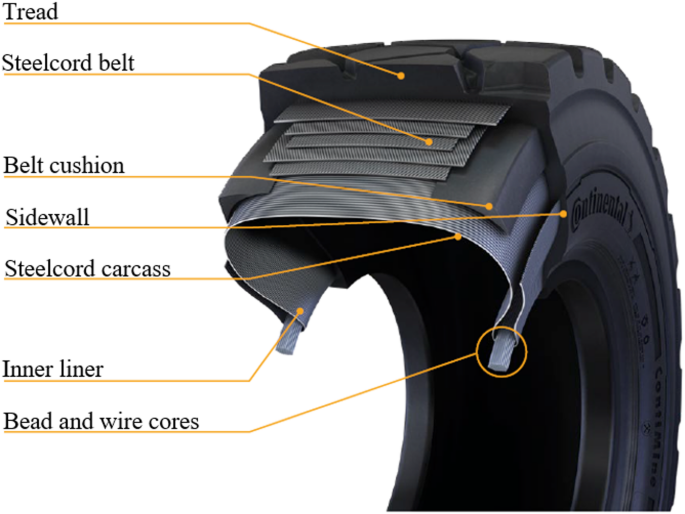
Credit: www.nature.com
Tire Components
Tires have many parts that work together to make them strong and safe. Each part has its own role in how the tire performs on the road.
Understanding these parts helps you see how tires support vehicles and provide traction.
Tread
The tread is the outer part of the tire that touches the road. It has patterns that help grip different surfaces. The tread also protects the tire from wear and damage.
- Provides traction on wet and dry roads
- Evacuates water to prevent slipping
- Resists cuts and abrasions
- Improves fuel efficiency by reducing rolling resistance
Sidewall
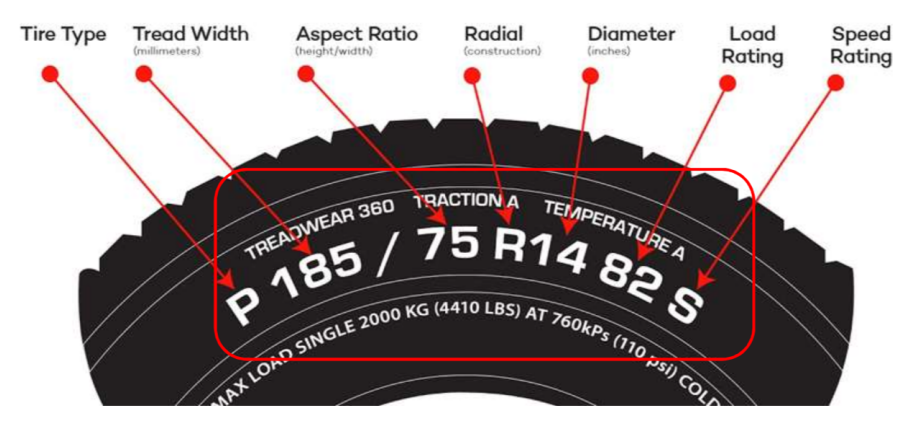
The sidewall is the part of the tire between the tread and the bead. It protects the tire from impacts and helps absorb shocks. The sidewall also shows important tire information.
It must be strong and flexible to keep the tire safe and comfortable.
Beads
Beads are steel wires wrapped with rubber. They hold the tire firmly to the wheel rim. Beads keep the tire from slipping off the rim, even during sharp turns.
They are very strong and help keep air inside the tire.
Carcass
The carcass is the tire’s inner body. It supports the weight of the vehicle and maintains the tire’s shape. The carcass is made of layers of fabric cords wrapped in rubber.
| Carcass Layer | Purpose |
| Fabric cords | Give strength and flexibility |
| Rubber coating | Protect cords and keep air inside |
| Multiple plies | Increase durability and load capacity |

Credit: www.youtube.com
Materials Used
Tires are made using different materials. These materials give strength and flexibility.
The choice of materials affects tire performance and safety. Knowing these helps understand tire quality.
Rubber Types
Tires use natural and synthetic rubber. Natural rubber is flexible and strong.
Synthetic rubber adds durability and heat resistance. Different rubbers mix for better results.
- Natural rubber provides elasticity
- Synthetic rubber resists wear and heat
- Rubber blends improve tire grip
Fabric Reinforcements
Fabrics inside tires add strength. They hold the tire shape under pressure.
Common fabrics include polyester, nylon, and rayon. They help tires resist stretching.
- Polyester gives good stretch resistance
- Nylon adds toughness and flexibility
- Rayon improves heat resistance
Steel Belts
Steel belts are strong layers inside tires. They improve durability and protect from punctures.
Steel belts also help tires keep shape at high speeds. They support the tread area for better wear.
- Made from high-tensile steel wires
- Placed under the tread for strength
- Help resist impacts and cuts
Tire Building Process
The tire building process is a careful method to make strong tires. It involves many steps to assemble and shape the tire layers. Each part must fit well to ensure safety and durability.
This guide explains the main stages: layer assembly, vulcanization, and quality checks. These steps help create tires that work well on the road.
Layer Assembly
Layer assembly is the first step in tire making. Workers or machines place different materials in a specific order. These layers include fabric, rubber, and steel belts.
- Inner liner to keep air inside
- Body plies for strength and shape
- Steel belts for durability
- Tread for road contact and grip
- Sidewalls to protect the tire edges
Vulcanization
Vulcanization is the process of heating the tire to harden the rubber. Heat and pressure help the layers bond tightly. This step gives the tire its final shape and strength.
| Stage | Purpose | Temperature | Duration |
|---|---|---|---|
| Heating | Activate rubber curing | 140-160°C | 15-30 minutes |
| Pressing | Shape tire in mold | Same as heating | 15-30 minutes |
| Cooling | Set tire shape | Room temperature | 10-20 minutes |
Quality Checks
Quality checks make sure tires are safe and reliable. Inspectors look for defects and test tire strength. They use machines and visual checks for accuracy.
- Visual inspection for cracks or bubbles
- Uniformity tests to check balance
- Pressure tests to find leaks
- Durability tests for long-term use
Credit: automotivepapers.com
Types Of Tire Construction
Tires have different ways they are built. These ways affect how they perform and last.
Understanding tire types helps you pick the right tire for your vehicle.
Bias Ply Tires
Bias ply tires have layers of fabric placed at angles. These layers cross over each other.
This design makes the tire strong but less flexible. It works well for heavy loads at low speeds.
- Layers run diagonally
- Strong sidewalls
- Good for trucks and off-road vehicles
Radial Tires
Radial tires have layers that run straight from the center to the edge. This makes the tire more flexible.
They give better grip and use less fuel. Most cars use radial tires today.
- Layers run radially from center
- Softer sidewalls for smooth ride
- Better traction and fuel economy
Run-flat Tires
Run-flat tires let you drive even when air pressure is low. They have strong sidewalls to hold the car’s weight.
This type of tire helps avoid sudden stops and unsafe situations after a puncture.
- Reinforced sidewalls
- Drive up to 50 miles without air
- Better safety after a flat tire
Frequently Asked Questions
What Are The Main Parts Of A Tire?
A tire has a tread, sidewall, bead, and inner liner that work together for strength and grip.
How Does Tire Construction Affect Performance?
Tire layers impact grip, durability, and ride comfort by controlling flexibility and strength.
What Materials Are Used In Tire Construction?
Tires use rubber, fabric, steel, and synthetic materials for strength, flexibility, and wear resistance.
Why Is The Tire Bead Important?
The bead holds the tire firmly on the wheel rim to prevent air leaks and slipping.
How Do Tire Layers Improve Safety?
Multiple layers absorb shocks and keep the tire from bursting under pressure or impact.
Conclusion
Understanding tire construction helps you choose the right tire. Tires have several layers, each with a specific job. These parts work together to keep you safe on the road. Knowing basic tire terms makes buying easier. Tires affect your car’s performance and fuel use.
Take care of tires for longer life. Check them often for damage or wear. Good tires mean a smoother, safer drive. Keep learning about tires to make smart choices. Simple knowledge goes a long way in driving well.