

Last Updated on June 17, 2026
Have you ever wondered why your car seems to work harder on some roads than others? The answer often lies in something called rolling resistance.
Understanding rolling resistance in tires can help you save fuel, improve your car’s performance, and even extend the life of your tires. You’ll discover exactly what rolling resistance is, why it matters to you, and how you can make smarter choices for your vehicle.
Keep reading to unlock simple tips that could make a big difference every time you hit the road.
Causes Of Rolling Resistance
Rolling resistance is the force that slows a tire as it rolls. It affects fuel efficiency and tire wear.
Several factors cause rolling resistance. These include how the tire changes shape, how it touches the road, and what it is made of.
Tire Deformation
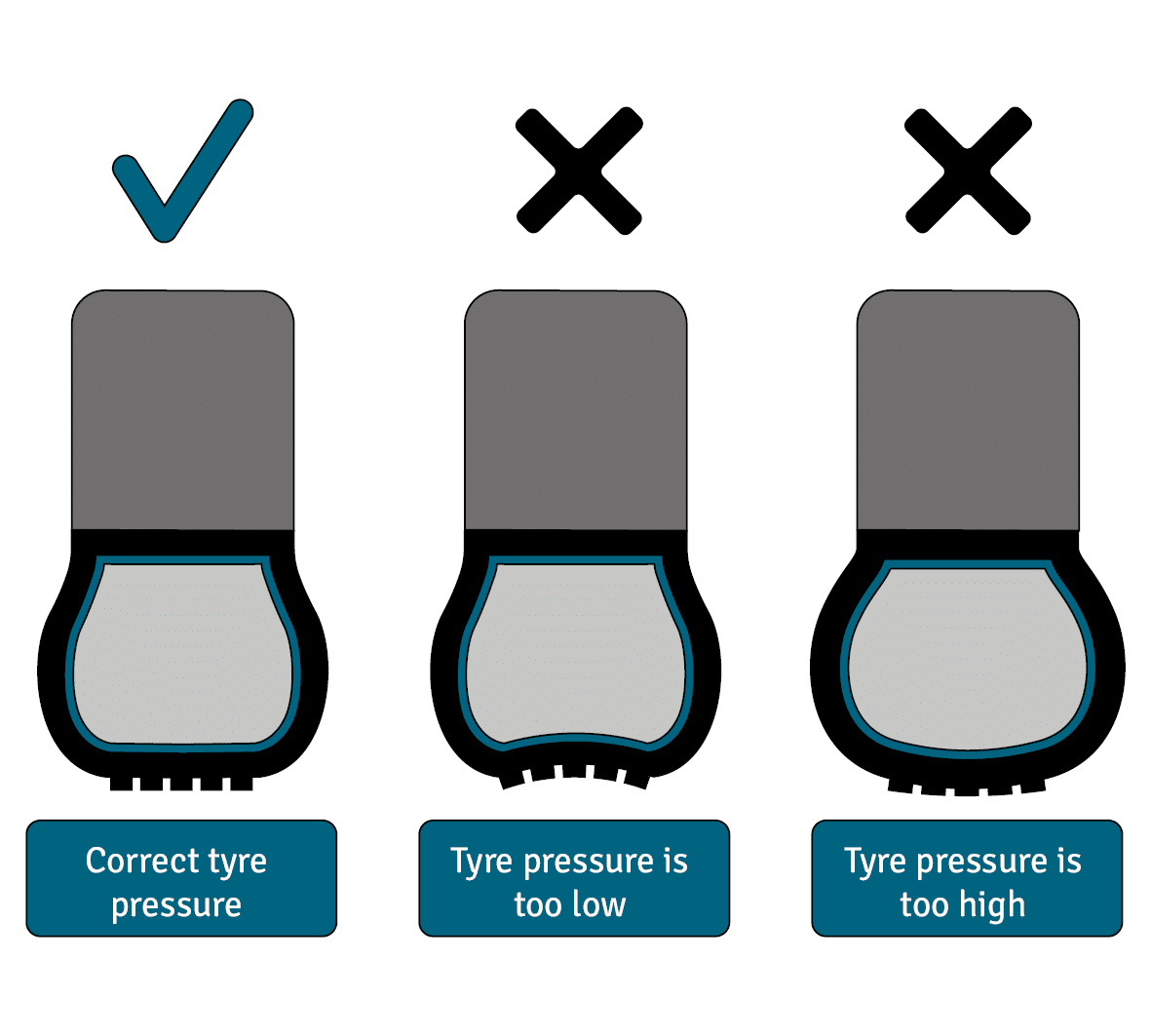
Tires bend and flex as they roll. This bending uses energy and creates resistance. The more a tire deforms, the higher the rolling resistance.
Deformation happens in two main areas:
- The tread area where the tire meets the road
- The sidewalls that support the tire shape
Surface Interaction
Rolling resistance also depends on how the tire surface interacts with the road. Rough or uneven roads increase resistance.
| Surface Type | Effect on Rolling Resistance |
| Smooth Asphalt | Low resistance |
| Gravel | High resistance |
| Wet Road | Moderate resistance |
| Snow | Very high resistance |
Material Properties
The materials used in tires affect rolling resistance. Softer rubber creates more grip but also more resistance.
- Rubber compounds with higher elasticity reduce energy loss.
- Stiffer materials lower deformation but may reduce comfort.
- Advanced materials balance grip and rolling resistance.
Credit: www.jungheinrich-profishop.co.uk
Impact On Fuel Efficiency
Rolling resistance is the force that tires use to roll on the road. It affects how much energy a vehicle needs to move. Lower rolling resistance helps save fuel.
Understanding rolling resistance can help drivers and manufacturers improve fuel efficiency. It also impacts costs and the environment.
Energy Loss
Rolling resistance causes energy loss as tires deform while rolling. This loss makes the engine work harder to keep the car moving.
The more energy lost, the more fuel the vehicle consumes. Reducing rolling resistance lowers energy loss and saves fuel.
Cost Implications
High rolling resistance increases fuel use, raising fuel costs. Drivers spend more money filling up their tanks.
Choosing tires with low rolling resistance can reduce fuel expenses over time. This helps save money on long trips and daily drives.
- Higher rolling resistance means more fuel needed
- More fuel use leads to higher costs
- Low rolling resistance tires help cut fuel expenses
Environmental Effects
More fuel use causes higher carbon emissions. High rolling resistance tires increase pollution from vehicles.
Using tires with low rolling resistance helps lower greenhouse gas emissions. This supports cleaner air and a healthier planet.
- High rolling resistance raises fuel consumption
- More fuel burned means more air pollution
- Lower rolling resistance reduces emissions
Factors Influencing Rolling Resistance
Rolling resistance is the force that slows down a tire as it rolls on the road. It affects fuel efficiency and tire wear. Many factors influence rolling resistance, changing how much energy a vehicle uses.
Understanding these factors helps drivers and manufacturers improve tire performance and save energy. Key influences include tire design, inflation pressure, and road conditions.
Tire Design
Tire design plays a big role in rolling resistance. The shape, materials, and tread pattern affect how the tire bends and moves. Softer tires bend more, increasing resistance.
Manufacturers use special rubber compounds and designs to reduce energy loss. Tires with smooth tread patterns often have lower resistance than those with deep treads.
- Rubber type affects flexibility and heat build-up
- Tread pattern changes contact with the road
- Sidewall stiffness controls tire deformation
Inflation Pressure
Proper inflation pressure reduces rolling resistance. Low pressure makes tires softer and causes more bending. This bending wastes energy and increases resistance.
High pressure keeps tires firm and reduces bending. This helps the tire roll easier and saves fuel. Checking tire pressure often keeps it at the best level.
- Underinflated tires increase energy loss
- Overinflated tires can reduce grip and comfort
- Recommended pressure balances resistance and safety
Road Conditions
Road conditions affect rolling resistance by changing how tires touch the surface. Rough roads cause tires to bend more, increasing resistance. Smooth roads let tires roll easily.
Wet or icy roads can also affect resistance by changing traction. Drivers should consider road types when looking at tire performance and fuel use.
- Rough surfaces increase tire deformation
- Wet roads may increase rolling resistance slightly
- Smooth asphalt offers the lowest resistance

Credit: cen.acs.org
Ways To Reduce Rolling Resistance
Rolling resistance is the force that slows down a tire as it rolls on the road. Lower rolling resistance helps save fuel and improves tire life.
Reducing rolling resistance can be done by choosing the right tires, keeping them well maintained, and changing how you drive.
Tire Selection
Pick tires designed to reduce rolling resistance. These tires use special materials and tread patterns that roll easier on the road.
Look for tires labeled as low rolling resistance or energy-saving. These tires can improve fuel efficiency and reduce emissions.
- Choose tires with harder rubber compounds
- Look for smooth tread patterns
- Select tires with proper size for your vehicle
Maintenance Tips
Keep your tires in good shape to lower rolling resistance. Proper maintenance helps tires roll smoothly and last longer.
Check tire pressure often. Underinflated tires increase rolling resistance and use more fuel.
- Inflate tires to the recommended pressure
- Rotate tires regularly to even out wear
- Replace worn-out tires promptly
- Keep wheels aligned and balanced
Driving Habits
Drive in ways that reduce rolling resistance. Smooth driving helps tires roll better and saves fuel.
Avoid hard braking and fast starts. Keep steady speeds and reduce unnecessary stops.
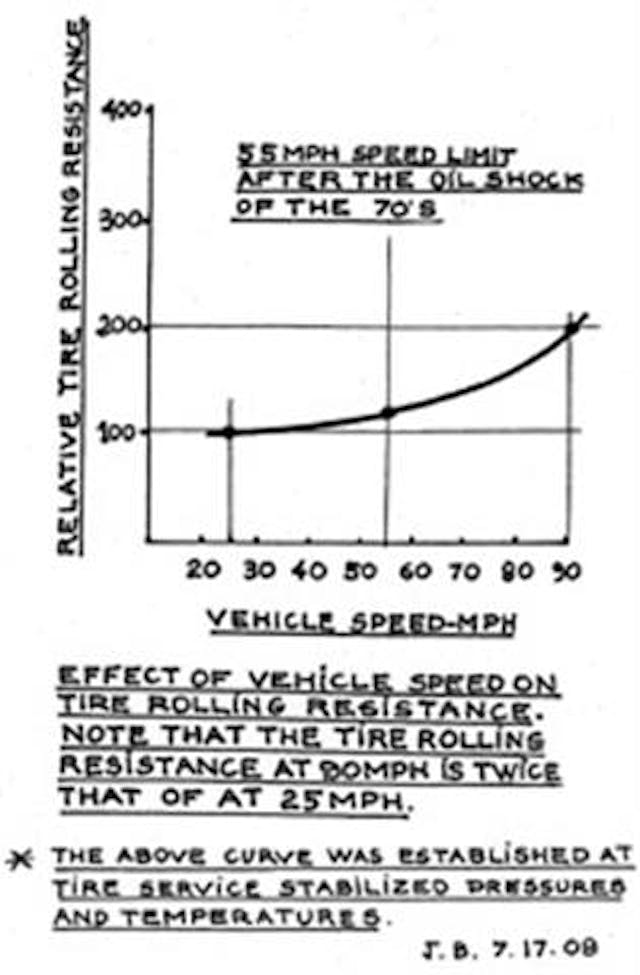
- Drive at moderate speeds
- Use gentle acceleration and braking
- Plan trips to avoid traffic jams
- Avoid carrying extra weight in the vehicle
Credit: www.moderntiredealer.com
Frequently Asked Questions
What Is Rolling Resistance In Tires?
Rolling resistance is the force that slows down a tire as it rolls on the road.
How Does Rolling Resistance Affect Fuel Efficiency?
Lower rolling resistance means less energy is needed, improving fuel efficiency.
What Factors Influence Tire Rolling Resistance?
Tire material, tread design, and air pressure affect rolling resistance.
Can Tire Pressure Change Rolling Resistance?
Yes, higher tire pressure reduces rolling resistance and improves performance.
Why Is Rolling Resistance Important For Electric Vehicles?
Lower rolling resistance helps electric cars use less battery power and drive farther.
Conclusion
Rolling resistance affects how tires use energy on the road. Lower resistance means better fuel efficiency and less wear. Choosing tires with good rolling resistance can save money over time. It also helps reduce pollution by cutting fuel use. Knowing this helps you pick the right tires for your needs.
Tires that roll easier make driving smoother and cheaper. Keep this in mind when buying new tires. It’s a simple step toward smarter driving.