

Last Updated on April 15, 2026
Have you ever wondered if your tires are properly inflated? Knowing the right tire pressure can save you money, improve your car’s performance, and keep you safe on the road.
But how do you actually measure that pressure? That’s where tire pressure gauges come in. Understanding how these simple tools work can help you keep your tires in top shape without guesswork. Keep reading, and you’ll discover how tire pressure gauges give you accurate readings every time—and why using one should be part of your regular car care routine.
Types Of Tire Pressure Gauges
Tire pressure gauges check air pressure inside tires. They help keep tires safe and working well.
There are three common types of tire pressure gauges. Each type shows pressure in a different way.
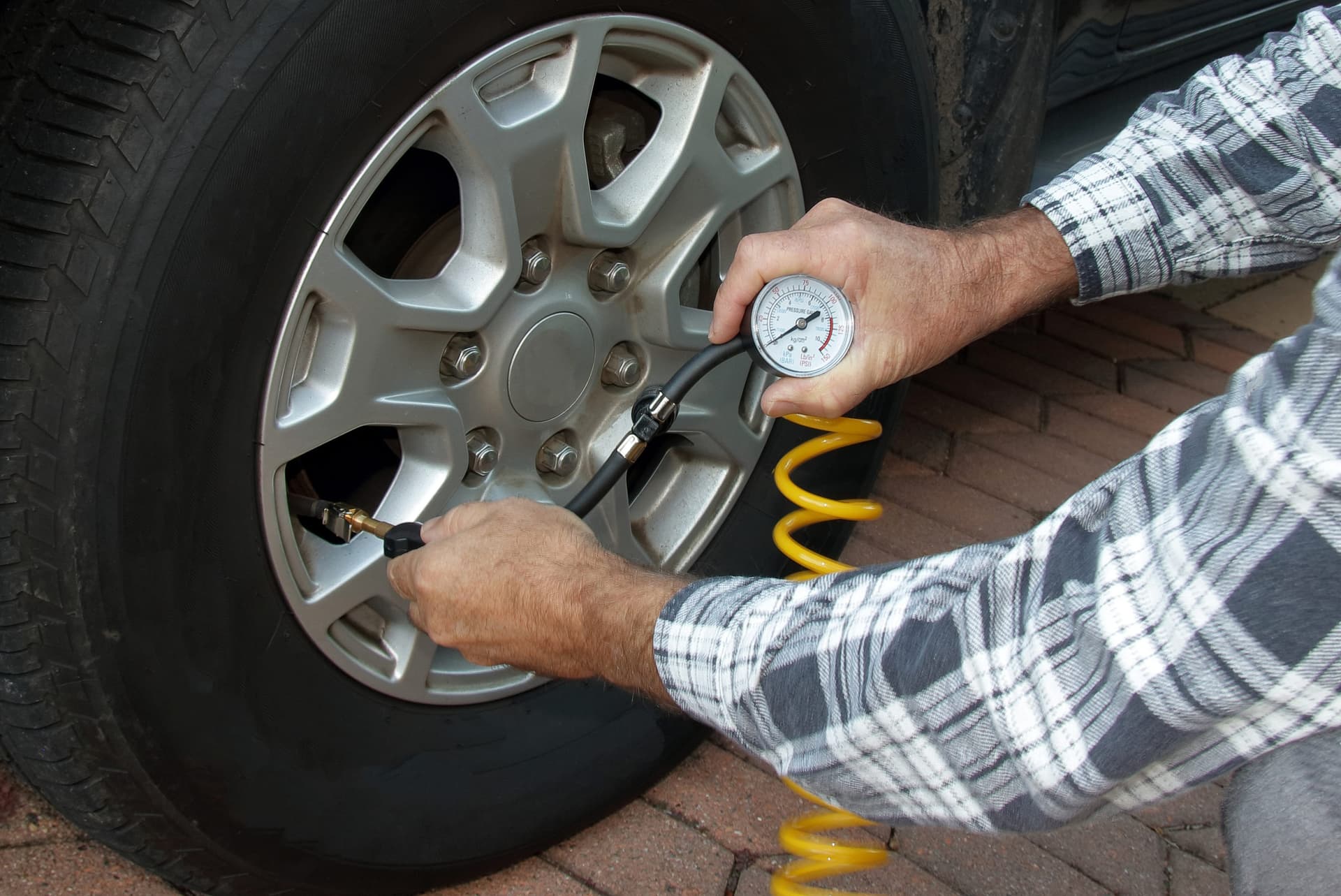
Dial Gauges
Dial gauges have a round face with a needle. The needle moves to show the pressure.
They use a small metal tube that bends under pressure. This bending moves the needle on the dial.
- Easy to read with a clear dial
- Do not need batteries
- Good for rough or outdoor use
Digital Gauges
Digital gauges show pressure on a small screen. They give numbers quickly and clearly.
These gauges use sensors inside to measure air pressure. The sensor sends data to the screen.
- Very easy to read
- May have extra features like backlight
- Require batteries to work
Stick Gauges
Stick gauges look like a small pen. A thin rod slides out to show the pressure.
Air pressure pushes the rod out. The rod has numbers to read the pressure level.
- Simple and small design
- No batteries needed
- Less clear than dial or digital gauges
Credit: simpletire.com
Measuring Tire Pressure
Measuring tire pressure is important to keep your tires safe and lasting longer. A tire pressure gauge helps you check how much air is inside your tire.
Using a gauge correctly will give you the right reading. This helps you add or release air as needed for the best tire performance.
Step-by-step Usage
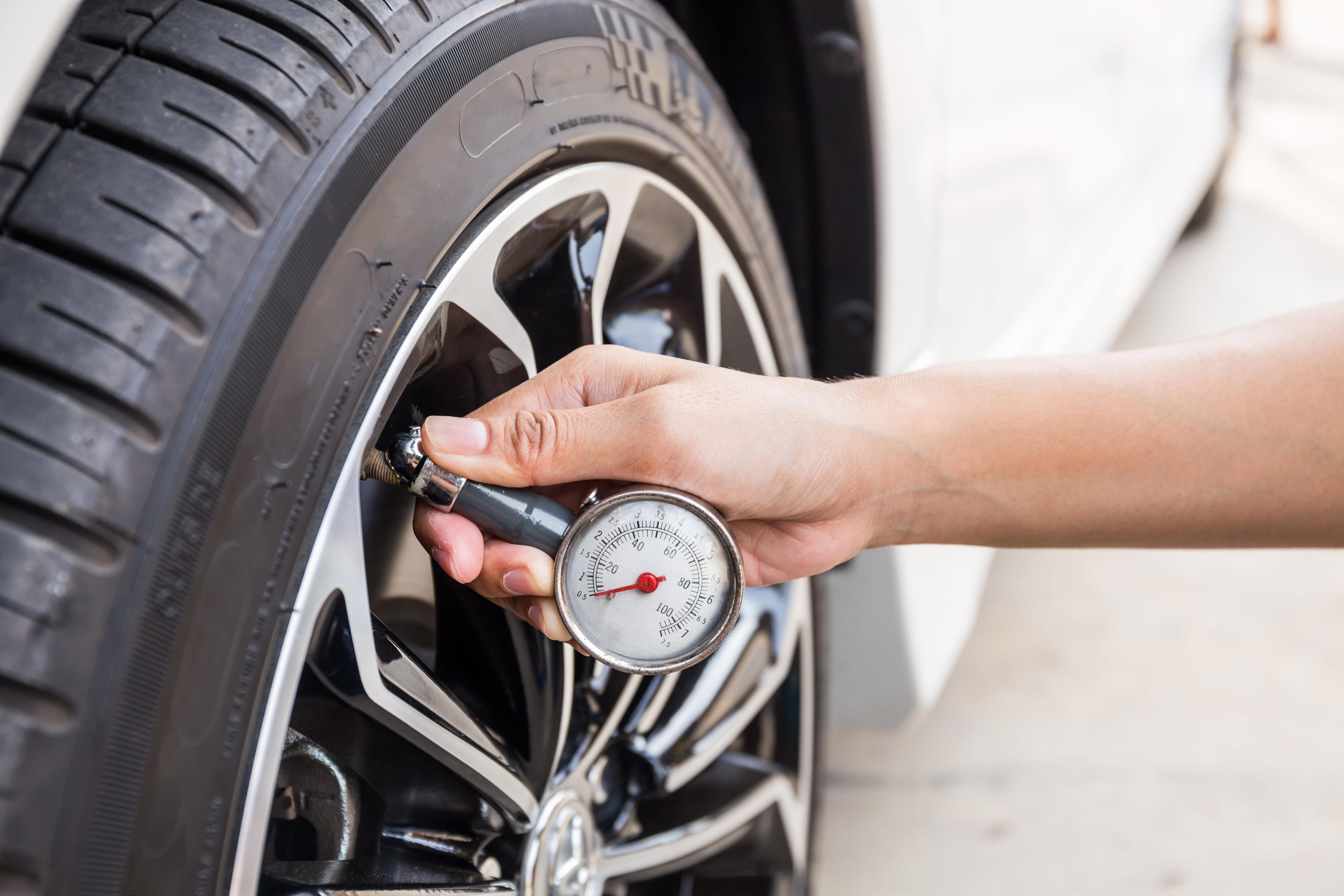
First, remove the valve cap from the tire. Then press the gauge firmly onto the valve stem to avoid air leaks. Read the pressure displayed on the gauge. Compare it to the recommended tire pressure for your vehicle. Add or release air to reach the correct pressure. Finally, replace the valve cap to keep dirt out.
- Remove the valve cap
- Press gauge on valve stem firmly
- Read the pressure value
- Adjust air pressure if needed
- Replace the valve cap
Common Mistakes To Avoid
| Mistake | Why it is a problem | How to fix it |
| Not pressing gauge firmly | Causes air to leak, wrong reading | Hold gauge tight against valve stem |
| Checking tire pressure when tires are hot | Pressure reads higher than actual | Check pressure when tires are cold |
| Using damaged or dirty gauge | Gives false readings | Clean or replace the gauge regularly |
| Forgetting to replace valve cap | Allows dirt and moisture inside valve | Always screw valve cap back on |
Interpreting Gauge Readings
Tire pressure gauges measure the air pressure inside your tires. They help you keep the correct pressure for safety and tire life.
Reading the gauge correctly is important. It shows the pressure in pounds per square inch (PSI) or bar units.
Ideal Pressure Levels
Each tire has a recommended pressure level. You can find it on the tire sidewall or car manual. Keeping pressure at this level improves fuel efficiency and safety.
Low pressure can cause tire wear and bad handling. High pressure may reduce traction and cause a harsh ride.
- Check the recommended PSI for your tires
- Use the gauge to measure current pressure
- Adjust air to match the ideal PSI
Adjusting For Temperature And Load
Temperature changes affect tire pressure. Cold air lowers pressure, warm air raises it. Check pressure when tires are cold for accuracy.
Heavy loads increase pressure needs. Add a few PSI above the ideal level when carrying extra weight to keep tires safe.
- Measure pressure before driving, when tires are cold
- Add 2-4 PSI for heavy loads or long trips
- Recheck pressure after temperature changes
Credit: simpletire.com
Maintaining Accurate Tire Pressure
Keeping the right tire pressure is key for safe driving. Tire pressure gauges help check this pressure easily.
These tools measure how much air is inside your tires. Knowing this helps you keep your tires in good shape.
Regular Checks
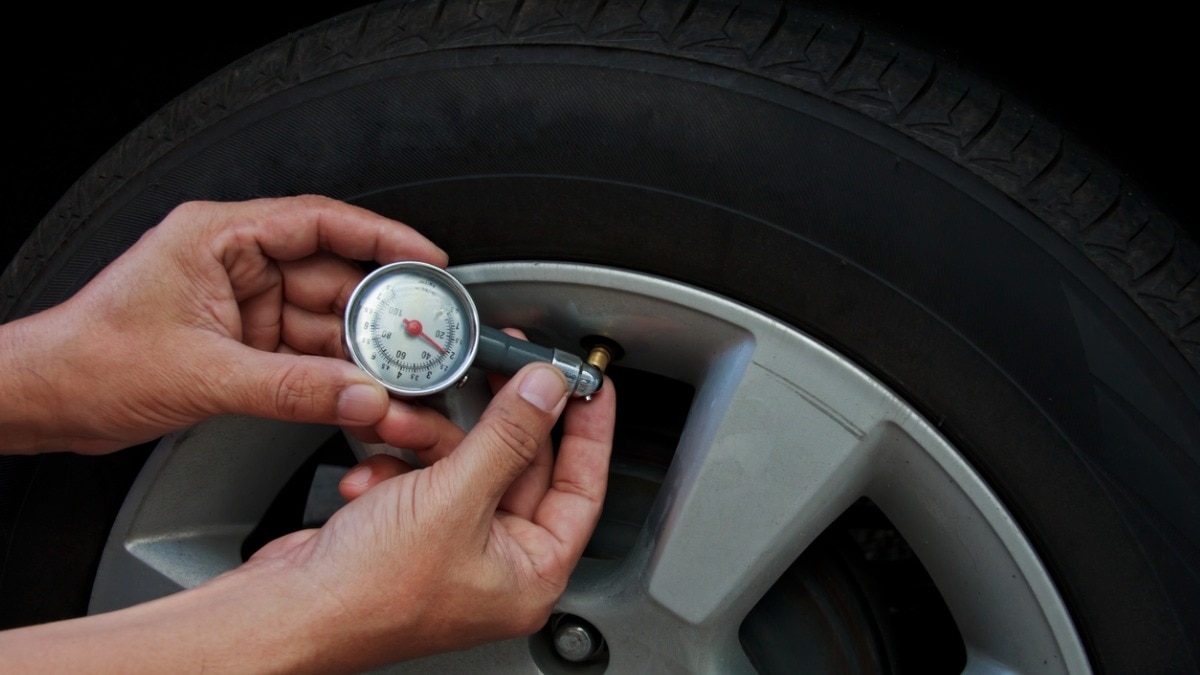
Check your tire pressure at least once a month. Use a tire pressure gauge to get an accurate reading.
Check when tires are cold for the best results. This means before driving or after a few hours of rest.
- Remove the valve cap from the tire
- Press the gauge firmly onto the valve
- Read the pressure on the gauge display
- Compare with the recommended tire pressure
- Add or release air as needed
Benefits Of Proper Inflation
Proper tire pressure improves safety and saves money. It helps your tires last longer and perform better.
Good inflation also lowers fuel use. This is better for the environment and your wallet.
- Better control on the road
- Less chance of tire blowouts
- Improved fuel efficiency
- Longer tire life
- Smoother rides
Credit: www.autotrader.com
Frequently Asked Questions
What Is The Main Function Of A Tire Pressure Gauge?
A tire pressure gauge measures the air pressure inside a tire to ensure safe driving.
How Does A Tire Pressure Gauge Measure Pressure?
It senses the air force inside the tire and shows the pressure on a scale.
Why Is Accurate Tire Pressure Important For Vehicles?
Correct pressure improves safety, fuel efficiency, and tire life by avoiding over or under-inflation.
What Types Of Tire Pressure Gauges Are Available?
Common types include analog, digital, and dial gauges, each showing pressure differently.
How Often Should I Check My Tire Pressure?
Check tire pressure at least once a month and before long trips for safety.
Conclusion
Tire pressure gauges help keep your tires safe and efficient. They measure air pressure inside tires quickly and clearly. Using a gauge regularly can prevent tire problems and improve fuel use. Choosing the right gauge means better accuracy and easier reading.
Knowing how these tools work helps you maintain your vehicle better. Keep your tires checked often for a smooth ride. Simple steps make a big difference in tire care. Stay safe on the road by checking pressure well.