

Last Updated on April 15, 2026
Your car’s engine is the heart of your vehicle, and keeping it in top shape is essential. But have you ever wondered why regular engine tune-ups matter so much?
Ignoring this simple maintenance step can lead to costly repairs, poor performance, and even safety risks. You’ll discover how a quick tune-up can save you money, improve your car’s efficiency, and give you peace of mind on the road. Keep reading to learn why your engine deserves this vital care and how it can make a real difference in your driving experience.

Credit: speedyvictoria.com
Signs Your Engine Needs A Tune-up
Keeping your engine in good shape helps your car run smoothly. Over time, engines show signs that they need a tune-up. Knowing these signs can save you from costly repairs.
Regular tune-ups improve fuel efficiency and engine power. Watch for warning signals that tell you it is time for maintenance.
Poor Fuel Economy
If your car suddenly uses more fuel, the engine may need a tune-up. Dirty spark plugs or clogged filters can cause this problem.
Engine Misfires Or Rough Idle
An engine that sputters or shakes while idling needs attention. This can happen if the ignition system or fuel system is failing.
Check Engine Light Comes On
The check engine light alerts you when the engine has a problem. Do not ignore this sign. A tune-up can fix many issues that cause the light to appear.
Hard Starting Or Stalling
If your car struggles to start or stalls often, the engine may need a tune-up. Problems with spark plugs or fuel delivery often cause these issues.
Unusual Engine Noises
Knocking, pinging, or tapping sounds from the engine show it needs service. These noises often mean the engine is not running correctly.
- Knocking sounds during acceleration
- Pinging noises at idle
- Tapping or clicking when the engine runs
Visible Exhaust Smoke
Excess smoke from the exhaust pipe shows engine trouble. Different smoke colors mean different problems:
| Smoke Color | Possible Cause |
| Blue | Burning oil |
| White | Coolant leak |
| Black | Too much fuel |
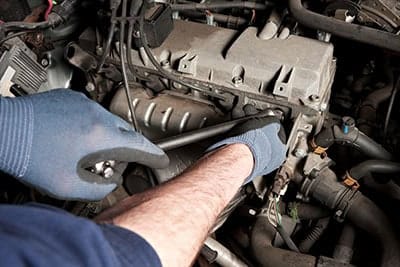
Credit: www.orlandomobilemechanicexperts.com
How Tune-ups Improve Engine Performance
Engine tune-ups keep your car running smoothly. They help fix small problems before they get worse.
Tune-ups make the engine work better. They improve fuel use and reduce pollution.
Cleaning And Replacing Spark Plugs
Spark plugs help start the engine and burn fuel. Dirty or old spark plugs cause poor engine performance.
Changing spark plugs makes the engine run more efficiently. It also improves acceleration and fuel economy.
Checking And Adjusting Ignition Timing
Ignition timing controls when the spark plug fires. Proper timing makes the engine powerful and smooth.
If timing is off, the engine can hesitate or stall. A tune-up sets the timing right to avoid these issues.
Replacing Air And Fuel Filters
Clean air and fuel filters let the engine breathe and get the right fuel mix. Dirty filters block airflow and fuel.
- Better airflow means more power
- Cleaner fuel improves engine life
- Filters stop dirt from damaging engine parts
Inspecting And Adjusting Belts And Hoses
Belts and hoses keep engine parts working together. Worn belts and cracked hoses can cause breakdowns.
| Part | Function | Why It Matters |
| Drive Belt | Drives accessories like alternator | Prevents battery loss and overheating |
| Timing Belt | Keeps engine valves in sync | Avoids engine damage |
| Radiator Hose | Cools engine by carrying coolant | Stops engine from overheating |
Cost Savings From Regular Tune-ups
Regular engine tune-ups keep your car running smoothly. They help avoid costly repairs later.
Spending a little on tune-ups saves money by improving fuel efficiency and preventing breakdowns.
Preventing Major Repairs
Tune-ups catch small problems before they become expensive repairs. Fixing issues early costs less.
Improving Fuel Efficiency
A well-tuned engine uses fuel better. This lowers your gas bills and saves money over time.
- Clean spark plugs improve ignition
- Proper air filters help the engine breathe
- Correct fuel mixture reduces waste
Extending Engine Life
Tune-ups reduce engine wear and tear. A healthy engine lasts longer, so you delay buying a new car.
Cost Comparison Of Tune-ups And Repairs
| Service | Average Cost |
| Regular Tune-Up | $100 – $200 |
| Fuel System Cleaning | $150 – $300 |
| Engine Repair | $1,000 – $4,000 |
| Engine Replacement | $3,000 – $7,000 |

Credit: www.mobilemechanicsofdallas.com
Key Components Checked During Tune-ups
Engine tune-ups keep your vehicle running smoothly. They help find and fix small problems early.
Technicians check many parts to make sure the engine works well and lasts longer.
Spark Plugs
Spark plugs create the spark that starts the engine’s combustion. Worn plugs cause poor performance and bad fuel economy.
Air Filter
The air filter stops dirt from entering the engine. A dirty filter reduces power and increases fuel use.
Fuel System
The fuel system delivers gasoline to the engine. Checking fuel injectors and filters helps maintain engine efficiency.
Ignition System
The ignition system controls the spark timing. Proper timing improves engine start and smooth running.
Belts And Hoses
Belts and hoses move parts and fluids inside the engine. Cracked or loose belts can cause breakdowns.
- Check for cracks or wear on belts
- Inspect hoses for leaks or softness
- Replace any damaged parts
Battery And Electrical System
The battery powers the engine start and electronics. Testing battery health and connections avoids failures.
Engine Fluids
Fluids keep the engine cool and clean. Oil, coolant, and transmission fluid levels must be checked and changed.
| Fluid | Purpose | Common Issue |
| Engine Oil | Lubricates moving parts | Dirty or low oil causes wear |
| Coolant | Prevents overheating | Leaks or low level cause heat |
| Transmission Fluid | Helps gear shifts | Old fluid causes rough shifts |
Frequently Asked Questions
What Is An Engine Tune-up And Why Is It Important?
An engine tune-up checks and adjusts key parts to keep your car running well and avoid problems.
How Often Should I Get An Engine Tune-up?
Most cars need a tune-up every 30,000 to 50,000 miles to stay in good shape.
Can Engine Tune-ups Improve Fuel Efficiency?
Yes, tune-ups help the engine run smoothly, which can save gas and reduce fuel costs.
What Problems Can A Tune-up Prevent In My Car?
Tune-ups catch small issues early, preventing bigger problems like engine misfires or poor performance.
Does A Tune-up Help Reduce Car Emissions?
Yes, a well-tuned engine burns fuel cleaner, lowering harmful exhaust emissions and pollution.
Conclusion
Regular engine tune-ups keep your car running smooth and safe. They help catch small problems before they become big. Tune-ups improve fuel efficiency and reduce harmful emissions. Your engine lasts longer and costs less to repair. Skipping tune-ups can lead to unexpected breakdowns and high bills.
Schedule tune-ups as recommended by your car’s manual. It’s a simple step that protects your investment. Keep your vehicle healthy with regular care. Don’t wait for trouble; tune up today for peace of mind.