

Last Updated on June 17, 2026
Have you ever noticed that annoying squeak every time you press your brakes? That high-pitched sound isn’t just irritating—it could be a sign that something is wrong with your car.
Understanding the common causes of squeaky brakes can help you spot problems early and avoid costly repairs. You’ll discover why your brakes might be making noise and what you can do to fix it. Keep reading to protect your safety and keep your car running smoothly.
Credit: masterauto.tech
Brake Pad Wear
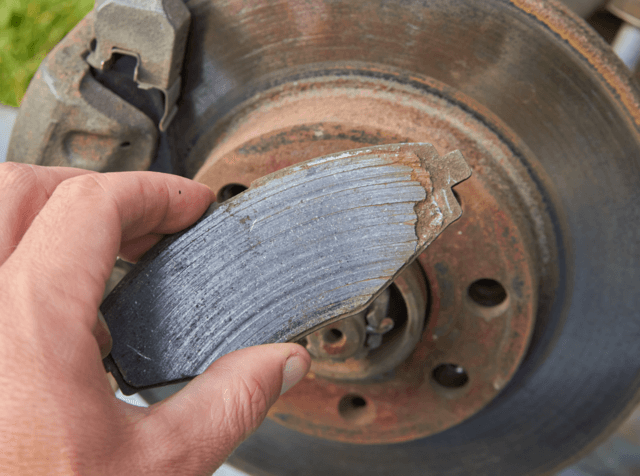
Brake pads are a key part of your car’s braking system. They press against the brake rotors to slow your vehicle down. Over time, brake pads wear out and can cause squeaky brakes.
Understanding the signs of worn brake pads helps you stay safe on the road. Replacing them on time keeps your brakes working well.
Signs Of Worn Brake Pads
Worn brake pads show clear signs. You can often hear or feel them before they fail completely.
- Squeaky or squealing noise when braking
- Longer stopping distances
- Brake pedal feels soft or sinks
- Visible grooves or cracks on the pads
- Brake warning light on the dashboard
Replacing Brake Pads
Replacing brake pads is important for safety. Use the right tools and follow correct steps.
| Step | Action |
| 1 | Lift the car and remove the wheel |
| 2 | Take out the old brake pads |
| 3 | Inspect the brake rotor for damage |
| 4 | Install new brake pads properly |
| 5 | Put the wheel back on and lower the car |
| 6 | Test the brakes before driving |

Credit: htcautorepair.com
Brake Rotor Issues
Squeaky brakes can come from problems with the brake rotors. These parts are metal discs that the brake pads press against to stop the car. If rotors have issues, they can cause noise and reduce braking power.
Understanding common rotor problems helps keep brakes quiet and safe. Two main causes are warped rotors and dirty surfaces. Fixing these can stop squeaky brakes.
Warped Rotors
Warped rotors happen when the discs get uneven from heat or wear. This makes the brake pads hit unevenly and causes a squeaky or vibrating feeling when braking.
Common signs of warped rotors include noise, brake pedal vibration, and reduced stopping power. Driving with warped rotors can damage other brake parts.
Cleaning And Resurfacing
Brake rotors need to be clean and smooth for quiet brakes. Dirt, rust, or brake dust can cause noise. Cleaning removes these materials from the rotor surface.
Resurfacing means grinding the rotor surface to make it even again. This fixes small warps and rough spots. It helps the brake pads grip properly and stops squeaking.
- Remove dirt and rust from rotors regularly
- Have rotors resurfaced if they are rough or uneven
- Replace rotors if damage is too severe for resurfacing
Lack Of Lubrication
Squeaky brakes often happen because parts are dry. Lack of lubrication causes metal parts to rub loudly.
Proper lubrication helps parts move smoothly. It reduces noise and wear on brake components.
Lubricating Brake Components
Apply brake grease to key parts to stop squeaks. Focus on caliper pins, backing plates, and pad edges.
Use only grease made for brakes. Regular oils can cause damage or attract dirt.
- Remove brake pads before lubrication
- Clean parts to remove old grease and dirt
- Apply a thin layer of brake grease evenly
- Reassemble parts carefully after lubrication
Preventing Future Squeaks
Keep brake parts clean and well-lubricated. Check lubrication during regular brake maintenance.
Replace worn parts quickly. Old parts cause noise even with proper lubrication.
- Inspect brakes every 6 months
- Clean and lubricate moving parts regularly
- Use quality brake grease only
- Replace pads and hardware if worn

Credit: simonsautorepairtaunton.com
Environmental Factors
Squeaky brakes often happen because of the environment around your vehicle. Weather and road conditions can cause noises in the brake system.
Understanding these factors helps you know why your brakes might make sounds and how to prevent it.
Moisture And Rust
Moisture from rain or humidity can cause rust to form on brake parts. Rust makes the brakes rough and noisy when you press them.
- Rust forms quickly if the car sits unused in wet conditions.
- Morning dew or fog adds moisture to brake discs.
- Rust causes brake pads to drag and squeak.
- Regular use can clean some rust, but heavy rust needs repair.
Debris And Dirt
Dirt and small stones can get caught between the brake pad and disc. This causes a grinding or squeaky noise.
| Type of Debris | Effect on Brakes |
| Sand | Causes rough noise and scratches |
| Small stones | Grinds brake pads and discs |
| Road dirt | Reduces brake effectiveness |
| Leaves | Can trap moisture and cause rust |
Frequently Asked Questions
Why Do Brakes Make Squeaky Noises When Applied?
Squeaky brakes often mean worn brake pads or dust buildup on the pads or rotors.
Can Wet Brakes Cause A High-pitched Squeak Sound?
Yes, water on brake parts can cause temporary squeaking until they dry off.
Does Rusty Brake Rotor Lead To Squeaky Brakes?
Rust on rotors can create noise as brake pads rub unevenly against the surface.
How Does Brake Pad Material Affect Squeakiness?
Some brake pads, like metallic ones, tend to squeak more than ceramic or organic pads.
Can Loose Brake Parts Cause Squeaking Sounds?
Loose or worn brake hardware can vibrate and cause the brakes to squeak during use.
Conclusion
Squeaky brakes often signal simple issues that need fixing. Dirt, worn pads, or lack of lubrication cause most noises. Regular brake checks keep your car safe and quiet. Don’t ignore sounds—address problems early to avoid bigger repairs. Clean and maintain brake parts to stop the squeak.
Safe driving starts with well-functioning brakes. Stay alert and listen to your car’s signals. Keep your brakes smooth and noise-free for peace of mind.