

Last Updated on June 17, 2026
If you’re looking to boost your car’s performance, you’ve probably heard about turbochargers and superchargers. But what exactly sets them apart?
Understanding the difference can help you make smarter choices for your vehicle and get the power you want without surprises. You’ll discover how each works, their pros and cons, and which one might be the perfect fit for your ride.
Ready to unlock the secrets behind these powerful engine upgrades? Keep reading—you’re about to get the clarity you need.

Credit: medium.com
How Turbochargers Work
Turbochargers help engines produce more power by using exhaust gases. They push extra air into the engine to improve performance.
This process makes the engine burn fuel more efficiently and generate more power than normal.
Basic Mechanism
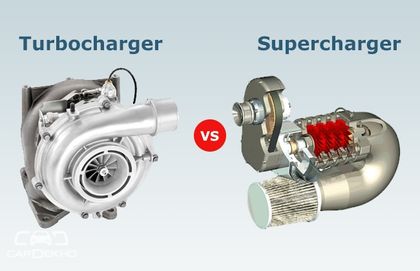
A turbocharger has two main parts: a turbine and a compressor. The turbine spins using exhaust gases from the engine.
The compressor pulls in fresh air and pushes it into the engine’s cylinders. This extra air helps the engine burn more fuel.
The turbocharger works like this:
- Exhaust gas spins the turbine.
- The turbine turns the compressor.
- The compressor forces more air into the engine.
- The engine burns more fuel with extra air.
- The engine produces more power.
Boosting Engine Power
By adding more air, turbochargers let engines burn more fuel. This creates higher pressure in the cylinders.
Higher pressure means the engine can push the pistons harder. This results in more horsepower and torque.
| Effect | Result |
| More air and fuel | Stronger combustion |
| Higher cylinder pressure | Increased piston force |
| Improved engine efficiency | Better power output |
Common Applications
Turbochargers are common in many vehicles. They improve fuel economy and power in cars and trucks.
- Passenger cars use turbochargers for better fuel efficiency.
- Sports cars gain more speed and power with turbos.
- Diesel trucks use them to increase pulling power.
- Some airplanes use turbochargers at high altitudes.

Credit: www.youtube.com
How Superchargers Work
Superchargers are devices that increase engine power by pushing more air into the engine. They help the engine burn more fuel and make more power.
They connect directly to the engine and use its power to spin a compressor. This makes the engine stronger without needing extra parts.
Basic Mechanism
Superchargers use a belt connected to the engine to spin a compressor wheel. This wheel squeezes air and sends it to the engine.
The compressed air has more oxygen. The engine mixes this oxygen with fuel to burn better and create more power.
- Engine power spins the supercharger
- Supercharger compresses incoming air
- Compressed air goes into the engine cylinders
- More oxygen helps burn more fuel
Boosting Engine Power
By pushing more air into the engine, superchargers increase the engine’s power output. More air means more fuel can burn.
This results in faster acceleration and better overall engine performance. The boost is instant because the supercharger runs with the engine.
- More air leads to stronger fuel burn
- Instant power increase as engine speeds up
- Improves acceleration and engine response
Common Applications
Superchargers are often used in cars that need quick power boosts. They are popular in sports cars and racing vehicles.
They are also used in trucks and performance motorcycles to help with heavy loads or fast speeds.
- Sports cars for faster acceleration
- Racing cars to improve speed
- Trucks needing more power for towing
- Motorcycles that require quick power delivery
Performance Differences
Turbochargers and superchargers both boost engine power. They work differently and affect performance in unique ways.
Understanding their differences helps choose the right one for your needs.
Power Delivery
Superchargers deliver power instantly because they connect directly to the engine.
Turbochargers take time to build boost as they rely on exhaust gases.
- Superchargers provide steady power across all engine speeds.
- Turbochargers give more power at higher engine speeds.
- Superchargers may reduce engine efficiency slightly.
Lag And Response Time
Turbochargers often have lag because they depend on exhaust flow. This causes delayed boost.
Superchargers respond quickly with almost no lag since they are belt-driven.
- Turbo lag can make acceleration feel slow at first.
- Superchargers give immediate throttle response.
- Turbo lag varies with design and engine size.
Efficiency And Fuel Consumption
Turbochargers improve efficiency by using exhaust gases to create boost.
Superchargers use engine power, which can increase fuel consumption.
- Turbochargers often help reduce fuel use at steady speeds.
- Superchargers may lower miles per gallon due to engine load.
- Both can increase power but affect fuel economy differently.
Installation And Maintenance
Turbochargers and superchargers boost engine power by increasing air intake. Both need proper installation and care. This affects their performance and life span.
Understanding their complexity and upkeep helps you choose the right option for your vehicle.
Complexity And Cost
Turbochargers have a more complex design than superchargers. They use exhaust gases to spin a turbine. This needs precise tuning and parts.
Superchargers are simpler. They connect directly to the engine with a belt. This makes installation easier and faster.
| Aspect | Turbocharger | Supercharger |
| Installation Complexity | High – needs expert tuning and exhaust work | Low – belt-driven and easier to install |
| Cost | Higher due to parts and labor | Lower initial cost and simpler setup |
Reliability
Turbochargers run at high heat and speed. This can cause more wear and tear. They may need repairs more often.
Superchargers get power directly from the engine. They operate at lower temperatures. This usually means fewer breakdowns.
Maintenance Requirements
Both need regular checks. Turbochargers require special oil and cooling care. Lack of this can damage the turbine.
- Change oil regularly to protect turbo bearings
- Inspect belt condition on superchargers
- Check for leaks in air and exhaust systems
- Clean or replace air filters often
Proper maintenance extends the life of both systems and keeps the engine running smoothly.
Credit: www.cardekho.com
Frequently Asked Questions
What Is The Main Difference Between Turbochargers And Superchargers?
Turbochargers use exhaust gas to spin, while superchargers are powered by the engine’s belt.
Which Is More Fuel-efficient, Turbochargers Or Superchargers?
Turbochargers are generally more fuel-efficient because they recycle exhaust energy.
Do Turbochargers Cause Turbo Lag Unlike Superchargers?
Yes, turbochargers often have a delay called turbo lag; superchargers provide instant boost.
Which Is Easier To Install, Turbochargers Or Superchargers?
Superchargers are usually easier to install since they need fewer changes to the engine.
Can Both Turbochargers And Superchargers Improve Engine Power?
Yes, both increase engine power by forcing more air into the engine’s cylinders.
Conclusion
Turbochargers use exhaust gases to boost power, while superchargers rely on engine power. Each has its own strengths and weaknesses. Turbochargers improve fuel efficiency but may have lag. Superchargers provide immediate power but can use more fuel. Choosing depends on your driving needs and preferences.
Both help engines perform better. Understanding these differences helps you make the right choice. Simple and clear—now you know what sets them apart.