

Last Updated on June 17, 2026
Have you ever wondered how your speed affects your ability to stop safely? Whether you’re driving a car, riding a bike, or even walking, the speed at which you move plays a huge role in how quickly you can brake.
Understanding the effect of speed on braking efficiency isn’t just for experts—it’s crucial for your safety every time you hit the road. Keep reading to discover how speed impacts your stopping power and what you can do to stay in control when it matters most.
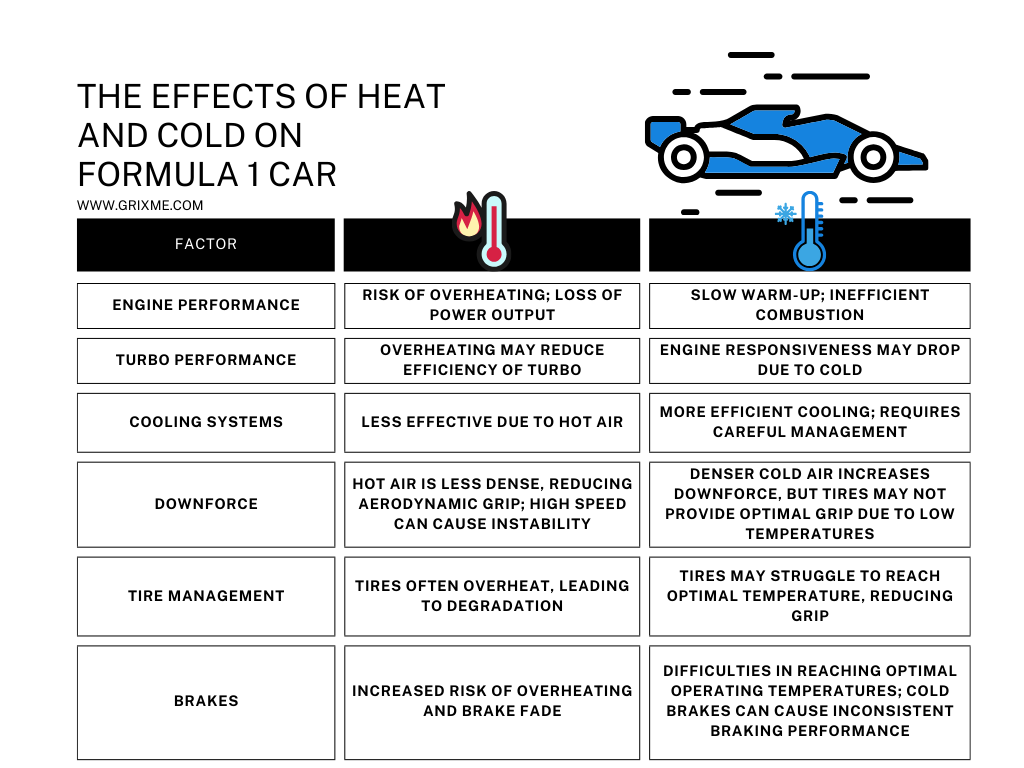
Credit: www.grixme.com
How Speed Affects Braking Distance
Speed plays a key role in how far a vehicle travels before it stops. The faster a vehicle goes, the longer it takes to brake fully.
Understanding this helps drivers keep safe distances and avoid accidents.
Increased Speed Means Longer Braking Distance
When a vehicle moves faster, it needs more distance to stop. This is because the energy that brakes must overcome grows quickly as speed rises.
The braking distance does not just double if speed doubles. It increases much more.
- Speed of 20 mph may need about 20 feet to stop
- Speed of 40 mph may need about 80 feet to stop
- Speed of 60 mph may need about 180 feet to stop
Effect Of Speed On Reaction Time Distance
Speed also affects how far a vehicle travels during the driver’s reaction time. This is the time between seeing a danger and starting to brake.
Higher speeds make the vehicle cover more ground before braking begins, increasing total stopping distance.
- At 30 mph, car travels about 44 feet in 1 second reaction time
- At 50 mph, car travels about 73 feet in 1 second reaction time
- At 70 mph, car travels about 103 feet in 1 second reaction time
Speed And Braking Force Needed
Faster speeds require stronger braking force to stop the vehicle. The brakes must work harder and longer.
Good brakes and tires help reduce braking distance, especially at high speeds.
Impact Of Speed On Road Conditions And Braking
Speed affects how road conditions influence braking distance. Wet or slippery roads increase stopping distance more at higher speeds.
Drivers should reduce speed on poor roads to keep braking distance manageable.
- Dry road at 30 mph: short stopping distance
- Wet road at 30 mph: longer stopping distance
- Wet road at 60 mph: much longer stopping distance
Impact On Brake System Performance
Speed affects how well brakes work. Higher speed means brakes must work harder to stop a vehicle.
Understanding this effect helps improve brake design and safety on the road.
Heat Generation And Brake Fade
When speed increases, brakes create more heat during stopping. This heat can reduce braking power, a problem called brake fade.
Brake fade makes it harder to slow down or stop the vehicle quickly, increasing risk in emergencies.
Wear And Tear On Brake Components
Faster speeds cause greater force on brake parts. This increases wear on brake pads, discs, and drums.
- Brake pads wear out faster
- Discs can warp due to heat
- Brake fluid may degrade quicker
- Overall brake life shortens
Stopping Distance And Speed Relationship
Stopping distance grows quickly as speed rises. This affects how brakes perform in real situations.
| Speed (km/h) | Approximate Stopping Distance (meters) |
| 30 | 14 |
| 50 | 38 |
| 80 | 83 |
| 100 | 120 |
Brake System Design Considerations
Brake systems must handle heat and force from high speeds. Designers choose materials and parts carefully.
Key design features include:
- Ventilated discs to cool brakes
- High-friction brake pads
- Strong brake calipers
- Reliable brake fluid with high boiling point
Safety Risks Of High-speed Braking
Braking at high speeds can be dangerous. It affects how well a vehicle stops and the safety of everyone inside.
Understanding the risks helps drivers make safer choices on the road.
Increased Stopping Distance
When a vehicle moves faster, it takes longer to stop. The brakes need more time to slow the car down safely.
Brake Overheating
High-speed braking can cause the brakes to get very hot. Overheated brakes lose their strength and do not work well.
Loss Of Control
Braking hard at high speed may cause the wheels to lock. This can lead to skidding and losing control of the vehicle.
Risk Of Accidents
- Longer stopping distances increase crash chances.
- Brake failure can cause sudden loss of control.
- Skidding leads to collisions with other vehicles or objects.
- High-speed crashes cause more severe injuries.
Comparison Of Braking Efficiency At Different Speeds
| Speed (km/h) | Stopping Distance (meters) | Brake Temperature Risk | Control Stability |
| 30 | 14 | Low | High |
| 60 | 54 | Medium | Medium |
| 90 | 122 | High | Low |
| 120 | 200+ | Very High | Very Low |

Credit: www.nature.com
Techniques To Improve Braking Efficiency
Braking efficiency depends on many factors, including speed. Faster speeds make it harder to stop quickly. Drivers should use smart techniques to improve braking safety.
This guide covers simple ways to improve braking. These methods help reduce stopping distance and increase control on the road.
Maintain Proper Tire Condition
Tires play a big role in braking. Good tire grip helps the vehicle stop faster. Check tire pressure regularly and replace worn tires on time.
Use Engine Braking
Engine braking lowers speed without using the brake pedal much. Downshifting gears can slow the vehicle safely. This reduces brake wear and keeps control.
Apply Brakes Smoothly And Early
Press brakes gently and early before stopping. This helps avoid sudden stops that reduce control. Smooth braking prevents skidding on wet or slippery roads.
Keep Brake System Well Maintained
- Check brake fluid levels regularly
- Inspect brake pads and discs for wear
- Replace worn parts immediately
- Test brakes for proper response
Good brake maintenance ensures faster response and better stopping power. Neglecting it can cause brake failure at high speeds.
Adjust Speed According To Road Conditions
| Road Condition | Recommended Speed | Braking Tip |
| Dry Pavement | Normal Speed | Brake smoothly |
| Wet Surface | Lower Speed | Brake early and gently |
| Gravel or Dirt | Slow Speed | Use engine braking |
| Ice or Snow | Very Slow | Avoid sudden braking |
Slowing down on poor roads gives more time to brake safely. Adjust speed before hazards to keep control.
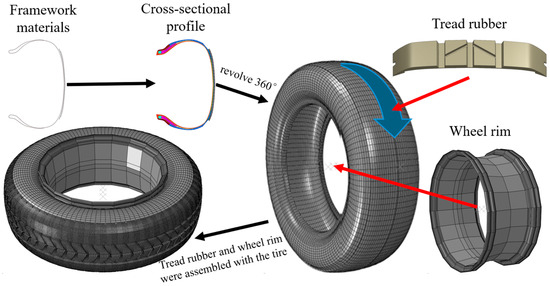
Credit: www.mdpi.com
Frequently Asked Questions
How Does Speed Affect Braking Distance?
Higher speed increases braking distance because the vehicle needs more time to stop safely.
Why Does Braking Efficiency Decrease At High Speeds?
Brakes heat up faster at high speeds, reducing their ability to slow down the vehicle.
What Role Does Speed Play In Brake Wear?
Faster speeds cause more friction and heat, leading to quicker brake pad wear.
Can Speeding Cause Brake Failure?
Excessive speed raises brake temperature, which can lead to brake fade or failure.
How To Improve Braking Efficiency At Higher Speeds?
Maintain brakes well and reduce speed to keep braking effective and safe.
Conclusion
Speed greatly affects how well brakes work. Higher speed means longer stopping distance. This can lead to accidents if drivers are not careful. Slowing down helps brakes stop the vehicle faster and safer. Good brake maintenance also plays a key role in stopping power.
Drivers must understand that speed control saves lives. Safe driving depends on knowing how speed changes braking. Always keep a safe speed to improve braking efficiency. Remember, careful driving protects you and others on the road.