

Last Updated on June 17, 2026
Have you ever wondered how reversing cameras help you park with such ease? These small devices give you a clear view behind your car, making tricky maneuvers safer and stress-free.
Understanding how reversing cameras work can change the way you drive and protect you from unexpected accidents. Keep reading, and you’ll discover the simple technology behind this smart tool—and why it’s a must-have for your vehicle.

Credit: www.amazon.ca
Reversing Camera Components
Reversing cameras help drivers see behind their vehicles. They use several key parts to work well.
Each component plays a role in capturing and showing the rear view clearly.
Camera Types And Placement
There are different types of reversing cameras. Each type fits in a special place on the vehicle.
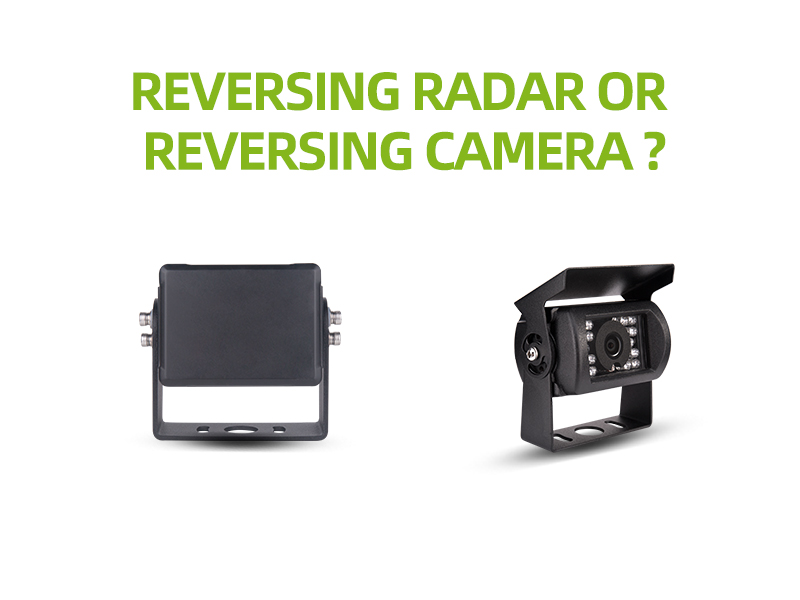
Common types include wide-angle, fisheye, and standard cameras. Placement affects the view and safety.
- Wide-angle cameras:Mounted high for a broad rear view.
- Fisheye cameras:Provide extra wide views but may distort edges.
- Standard cameras:Show a clear, natural view behind the car.
- License plate mount:Camera fixed near the plate for a centered view.
- Bumper mount:Positioned low for close-range detail.
Display Screen Options
Reversing cameras connect to display screens inside the vehicle. These screens show the camera’s live video.
Displays vary in size, location, and technology, helping drivers see clearly while reversing.
- Dashboard screens:Built into the center console for easy viewing.
- Rearview mirror screens:Replace the mirror with a display.
- Head-up displays:Project the image on the windshield.
- Aftermarket monitors:Added screens that connect to the camera system.
Credit: luview.com
Image Processing And Transmission
Reversing cameras help drivers see behind their vehicles. They use image processing and transmission to send clear pictures to the display screen.
This process starts with capturing the image and ends with showing it on the monitor. It needs fast and accurate data handling.
Signal Capture And Conversion
The camera captures light and turns it into electronic signals. Sensors inside the camera detect the light and create digital data.
- The lens focuses light on the sensor.
- The sensor converts light into electric signals.
- A processor changes signals into digital images.
- The images get compressed to save space and speed up transmission.
After this, the data is ready to be sent to the car’s display system for the driver to see.
Wired Vs Wireless Systems
Reversing cameras send images to the screen by wired or wireless methods. Each has benefits and limits.
| Type | Advantages | Disadvantages |
| Wired | Stable signal, low delay, no interference | Complex installation, cable wear over time |
| Wireless | Easy to install, no cables needed | Possible signal loss, interference risks |
Choosing wired or wireless depends on the vehicle setup and user preference.
Safety Features And Enhancements
Reversing cameras help drivers see behind their vehicles. They reduce blind spots and prevent accidents. Many safety features improve how these cameras work.
This article explains important features like guidelines, distance markers, and night vision. These make reversing safer and easier.
Guidelines And Distance Markers
Guidelines on the screen show the vehicle’s path. Distance markers help estimate how close objects are behind the car. These features guide drivers to park safely.
- Colored lines indicate safe and danger zones
- Dynamic guidelines move with the steering wheel
- Distance markers show measured spaces in feet or meters
- Alerts appear if the car gets too close to an object
Night Vision And Low Light Performance
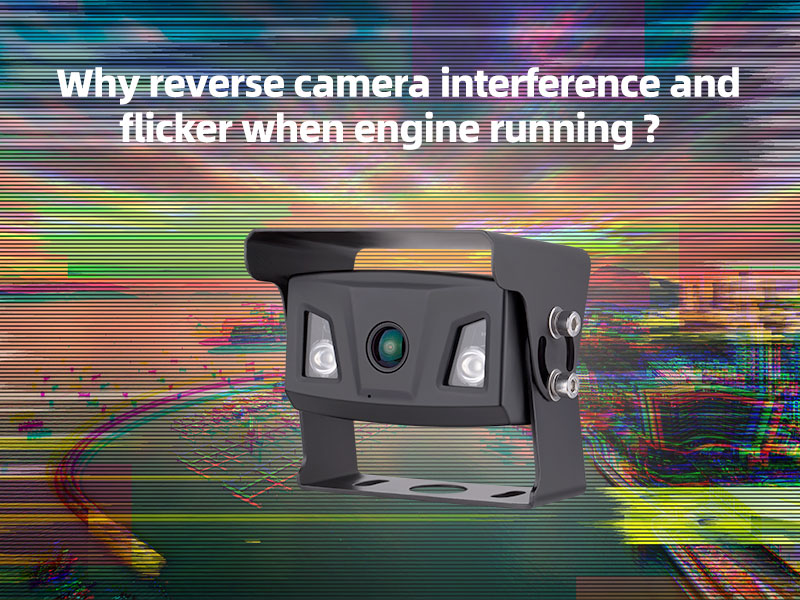
Reversing cameras use special sensors to work well in dark conditions. They improve visibility at night or in low light. This helps avoid accidents when backing up.
| Feature | Description | Benefit |
| Infrared LEDs | Light up the area behind the vehicle without glare | Clearer image in total darkness |
| Low-light sensors | Detect minimal light and enhance the image | Better visibility in dusk or shadows |
| Image processing | Sharpens and brightens the video feed | Reduces blur and noise on screen |
Credit: luview.com
Installation And Maintenance Tips
Reversing cameras help drivers see behind their vehicles. Proper installation and care keep them working well.
Follow simple tips to position the camera correctly and keep it clean. This improves safety and camera life.
Proper Camera Positioning
Place the camera where it shows the widest view behind the vehicle. Avoid spots blocked by parts of the car.
The camera should be level and centered for the best image. Check the angle so the ground is visible.
- Mount near the license plate or rear bumper
- Keep it free from dirt and obstructions
- Adjust the angle to avoid glare from the sun
- Use brackets or holders designed for your car model
Cleaning And Troubleshooting
Clean the camera lens regularly to avoid blurry images. Use a soft cloth and mild cleaner.
If the camera image is unclear or missing, check the wiring and connections for damage or loose plugs.
- Wipe the lens gently with a microfiber cloth
- Inspect cables for cuts or wear
- Test the camera with the vehicle in reverse
- Replace the camera if the image stays poor after cleaning
Frequently Asked Questions
What Is A Reversing Camera And How Does It Work?
A reversing camera shows the area behind a vehicle on a screen. It uses a small camera and a display.
Why Are Reversing Cameras Important For Driving Safety?
They help drivers see blind spots behind the car. This reduces accidents while backing up.
How Does The Camera Connect To The Car’s Display?
Wires or wireless signals send the video from the camera to the screen inside the car.
Can Reversing Cameras Work In Low Light Or Night?
Yes, most have night vision or LED lights to improve visibility in darkness.
Do All Vehicles Come With Reversing Cameras Installed?
No, some older or basic models don’t have them. They can be added later as an upgrade.
Conclusion
Reversing cameras help drivers see behind their vehicles clearly. They show real-time images on a screen inside the car. This makes parking and backing up safer and easier. The camera uses a wide lens to cover blind spots. It sends video signals quickly to the display.
Many cars now include these cameras as standard. Understanding how they work helps you appreciate their value. They reduce accidents and protect people and property. Using a reversing camera is simple and helpful every day.