
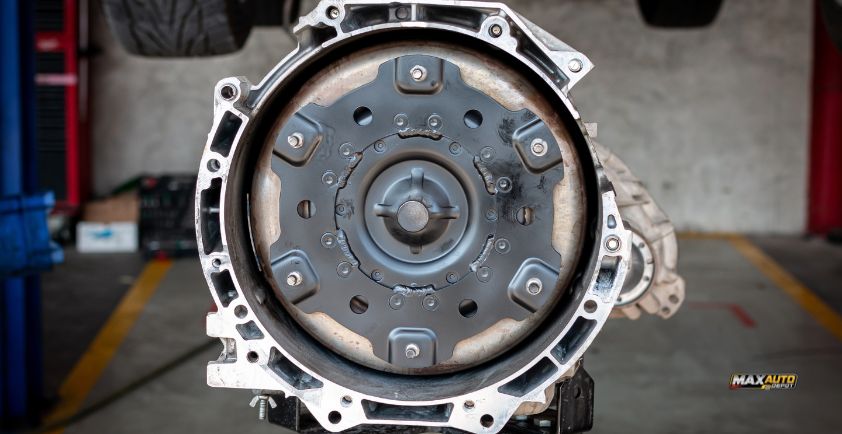
Have you noticed strange noises or unusual slipping when you drive? Your car’s performance might be trying to tell you something important about the torque converter.
This small but powerful part plays a big role in how smoothly your vehicle shifts gears. If it’s going bad, ignoring the signs could lead to costly repairs and unsafe driving conditions. You’ll learn the clear, simple ways to know if your torque converter is failing.
Understanding these signs early can save you time, money, and stress. Keep reading to protect your ride and keep it running strong.

Credit: www.youtube.com
Common Torque Converter Issues
The torque converter is a key part of your car’s transmission system. It helps transfer power from the engine to the transmission. When it fails, the car may have trouble moving smoothly.
Here are common problems that show a bad torque converter. Knowing these signs can help you fix issues early and avoid bigger damage.
Slipping Transmission
Slipping happens when the transmission changes gears without power. This makes the car feel like it is losing speed or not responding well.
- The engine revs higher but the car moves slower.
- Delays in acceleration when pressing the gas pedal.
- Sudden jerks or lurches during gear shifts.
- Transmission fluid leaks or low fluid levels.
Overheating Symptoms
Overheating can damage the torque converter and transmission. It often happens if the transmission fluid is dirty or low.
| Symptom | Cause | Effect |
| Burning Smell | Hot transmission fluid | Damages seals and parts |
| Transmission Warning Light | High temperature detected | Alerts driver of trouble |
| Fluid Discoloration | Old or burnt fluid | Reduces cooling ability |
Strange Noises
Noise from the transmission area can mean torque converter trouble. These sounds may change with speed or load.
Listen for these noises:
- Whining or humming that grows louder with speed.
- Clanking or rattling sounds during gear shifts.
- Grinding noise when the car is in gear but not moving.

Credit: www.youtube.com
Visual And Performance Clues
Knowing if a torque converter is bad helps keep your car running smoothly. Signs often show in the fluid and how the vehicle performs.
Look for changes in the fluid, delays when shifting gears, and unusual shaking. These clues guide you to the problem.
Fluid Contamination
Check the transmission fluid for any dirt or metal particles. Clean fluid is usually bright red or pink and clear.
- Dark or burnt-smelling fluid can mean damage inside the torque converter.
- Cloudy or milky fluid may indicate water contamination.
- Metal flakes in the fluid show internal wear.
Delayed Gear Engagement
A bad torque converter can cause delays when switching gears. The car may hesitate or slip before moving.
| Symptom | What It Means |
| Delay when shifting into drive or reverse | Torque converter clutch may be failing |
| Engine revs but car moves slowly | Slipping inside the torque converter |
| Sudden jerks during gear change | Fluid pressure problems in the converter |
Shuddering And Vibrations
If you feel shaking or shuddering at certain speeds, the torque converter could be the cause. This often happens when the lock-up clutch inside slips.
- Shaking during acceleration
- Vibrations at steady speeds
- Unusual noises from the transmission area
Diagnostic Steps To Confirm Problems
Knowing if a torque converter is bad helps prevent serious car damage. Some signs may seem unclear.
Use a few tests to confirm issues before replacing parts or visiting a mechanic.
Checking Transmission Fluid
Transmission fluid shows signs of torque converter problems. Check its color and smell.
- Look for dark or burnt-smelling fluid.
- Check fluid level; low fluid can cause issues.
- Note any metal particles in the fluid.
Performing Stall Test
The stall test helps find torque converter slipping or locking problems. Do it carefully.
- Start the engine and press the brake fully.
- Shift to drive or reverse without releasing the brake.
- Gently press the gas pedal and watch the RPM.
- Note if RPM rises too high or stays too low.
Using Scan Tools
Scan tools read transmission codes and sensor data. They help find hidden issues.
| Tool Type | Function | Result |
| OBD-II Scanner | Reads error codes | Shows transmission faults |
| Transmission Pressure Gauge | Measures hydraulic pressure | Detects pressure drops |
| Torque Converter Clutch Test | Checks clutch engagement | Identifies locking issues |

Credit: www.youtube.com
Frequently Asked Questions
What Are Common Symptoms Of A Bad Torque Converter?
A bad torque converter may cause slipping, shuddering, overheating, or strange noises from the transmission.
How Does A Bad Torque Converter Affect Car Performance?
It can cause poor acceleration, rough shifting, and reduced fuel efficiency in your vehicle.
Can A Faulty Torque Converter Cause Transmission Fluid Leaks?
Yes, a damaged torque converter can lead to transmission fluid leaks, which affect transmission health.
Is It Possible To Drive With A Bad Torque Converter?
Driving is possible but not recommended; it may worsen damage and cause costly repairs.
How Do Mechanics Test If A Torque Converter Is Failing?
Mechanics check for unusual noises, fluid condition, and use diagnostic tools to assess torque converter function.
Conclusion
A bad torque converter shows clear signs you should not ignore. Strange noises, slipping gears, or overheating often point to trouble. Early detection helps avoid costly repairs and keeps your car safe. Trust your instincts if something feels off while driving.
Regular checks and maintenance can extend your vehicle’s life. Stay alert to these symptoms and act quickly to protect your ride. Keep your car running smooth and avoid bigger problems down the road.