

Last Updated on June 17, 2026
Have you ever wondered how your car knows exactly how much fuel to burn? The secret lies in a small but powerful device called the oxygen sensor.
This tiny component plays a huge role in making sure your engine runs smoothly and uses fuel efficiently. Understanding how oxygen sensors work can help you save money on gas and reduce harmful emissions. Keep reading to discover how this smart sensor impacts your vehicle’s fuel efficiency and why it’s so important for your car’s performance.

Credit: www.counterman.com
How Oxygen Sensors Work
Oxygen sensors help cars use fuel more efficiently. They measure oxygen levels in exhaust gases.
The sensor sends data to the engine control unit. This data adjusts the fuel injection for better combustion.
Sensor Types And Placement
There are several types of oxygen sensors. Each type fits specific engine parts to measure gases accurately.
- Upstream sensors are placed before the catalytic converter.
- Downstream sensors sit after the catalytic converter.
- Wideband sensors provide a broader range of oxygen measurement.
- Narrowband sensors give a simpler rich-or-lean signal.
Placement is important for correct readings. Upstream sensors help control fuel mix, while downstream sensors check converter efficiency.
Measuring Air-fuel Ratio
The air-fuel ratio shows how much air mixes with fuel. It affects engine power and emissions.
| Air-Fuel Ratio | Description |
| 14.7:1 | Ideal for complete combustion (stoichiometric) |
| Less than 14.7:1 | Rich mixture (more fuel, less air) |
| More than 14.7:1 | Lean mixture (more air, less fuel) |
Oxygen sensors detect if the mix is rich or lean. The engine control adjusts fuel delivery for best fuel efficiency and low emissions.

Credit: www.tomorrowstechnician.com
Impact On Fuel Efficiency
Oxygen sensors help control the air-fuel mix in a car engine. This mix affects how well the engine uses fuel.
If the mix is wrong, the engine wastes fuel or runs poorly. Oxygen sensors give data to fix this mix.
Optimizing Combustion
Oxygen sensors measure the oxygen in exhaust gases. This tells the engine if the fuel mix is right.
The engine control unit uses this data to adjust fuel injection. This keeps the mix balanced for better burning.
- Proper fuel mix improves energy from fuel
- Reduces fuel waste in the engine
- Keeps engine running smoothly
Reducing Emissions
Oxygen sensors help lower harmful gases from the engine. They keep the fuel mix from being too rich or too lean.
Cleaner burning reduces smoke and toxic gases. This also helps the engine meet emission standards.
- Less carbon monoxide released
- Lower nitrogen oxide emissions
- Reduced unburned fuel in exhaust
Signs Of A Faulty Oxygen Sensor
The oxygen sensor helps control fuel use in your car. It tells the engine how much oxygen is in the exhaust.
If the sensor breaks, the engine may use too much or too little fuel. This causes problems with mileage and performance.
Decreased Mileage
A bad oxygen sensor can cause your car to burn more fuel. The engine gets wrong info and adds extra gas.
You may notice that you stop at gas stations more often than before. This means your fuel efficiency is lower.
- More trips to refuel
- Fuel gauge drops faster
- Higher fuel costs
Engine Performance Issues
A faulty oxygen sensor can cause rough idling or engine misfires. The engine may hesitate or stall.
You might feel less power when you press the gas pedal. The car may run unevenly or shake while driving.
- Engine hesitation
- Stalling or rough idle
- Reduced power and acceleration
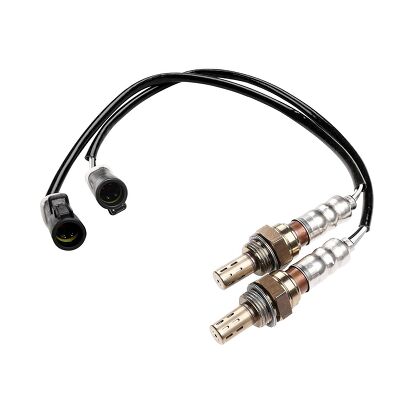
Credit: www.autoguide.com
Maintaining And Replacing Sensors
Oxygen sensors help your car burn fuel efficiently. They check the air and fuel mix in the engine.
Keeping these sensors in good shape saves fuel and reduces pollution. Sometimes, you must replace them for best performance.
Routine Checks
Check oxygen sensors regularly to keep your car running well. Bad sensors can cause poor fuel use and engine trouble.
Look for signs like rough idling, bad gas mileage, or the check engine light. These may mean the sensor needs attention.
- Inspect sensors every 30,000 miles or as the manual suggests
- Check wiring and connectors for damage or corrosion
- Listen for engine problems or odd smells
- Use a scanner tool to test sensor performance
Choosing The Right Sensor
Select the correct oxygen sensor for your car model. Using the wrong type can cause errors and damage.
Look for sensors that meet your vehicle’s specifications. Quality parts last longer and work better.
- Match sensor type (heated or unheated) to your car’s needs
- Choose sensors from trusted brands or OEM parts
- Check compatibility with your car’s make and year
- Consider sensors with warranties for added safety
Frequently Asked Questions
What Is The Main Function Of An Oxygen Sensor?
An oxygen sensor measures oxygen levels in car exhaust to help control fuel mixture.
How Do Oxygen Sensors Improve Fuel Efficiency?
They provide data to adjust fuel flow, making the engine use fuel more wisely.
Can A Faulty Oxygen Sensor Reduce Gas Mileage?
Yes, a bad sensor can cause poor fuel use and lower your car’s mileage.
Where Are Oxygen Sensors Located In A Vehicle?
Usually, sensors are placed in the exhaust system before and after the catalytic converter.
How Often Should Oxygen Sensors Be Replaced?
Most sensors last 60,000 to 100,000 miles, but check your car’s manual for details.
Conclusion
Oxygen sensors help engines use fuel more wisely. They check the air and fuel mix constantly. This keeps the engine running clean and smooth. Good sensors save gas and lower harmful gases. Fixing or replacing bad sensors helps save money.
Cars with working oxygen sensors run better and last longer. Small parts, big impact. Understanding oxygen sensors shows how simple changes improve fuel efficiency. Keep them in mind for better car care.