

Last Updated on April 15, 2026
Have you ever wondered what makes your car’s engine powerful and efficient? The secret lies in something called the engine compression ratio.
This small but mighty number plays a huge role in how your vehicle performs every day. Understanding the importance of engine compression ratio can help you make smarter choices, whether you’re buying a new car or just want to get the best out of the one you have.
Keep reading, and you’ll discover why this simple concept is a game-changer for your engine’s power, fuel efficiency, and overall lifespan.
Credit: www.makeiteasyhub.com
Engine Compression Ratio Basics
The engine compression ratio is a key part of how engines work. It measures how much the air-fuel mixture is squeezed inside the cylinder.
This ratio affects the engine’s power and efficiency. Understanding it helps explain engine performance and fuel use.
What Compression Ratio Means
Compression ratio compares the volume inside the cylinder when the piston is at the bottom and top of its stroke. It shows how much the engine compresses the fuel-air mix before ignition.
- Low compression ratio means less squeezing of the fuel mixture.
- High compression ratio means more squeezing, which can increase power.
- Typical ratios range from 8:1 to 12:1 in most engines.
- Diesel engines usually have higher compression ratios than gasoline engines.
How Compression Ratio Affects Engine Operation
| Effect | Low Compression Ratio | High Compression Ratio |
| Power | Lower power output | Higher power output |
| Fuel Efficiency | Less efficient | More efficient |
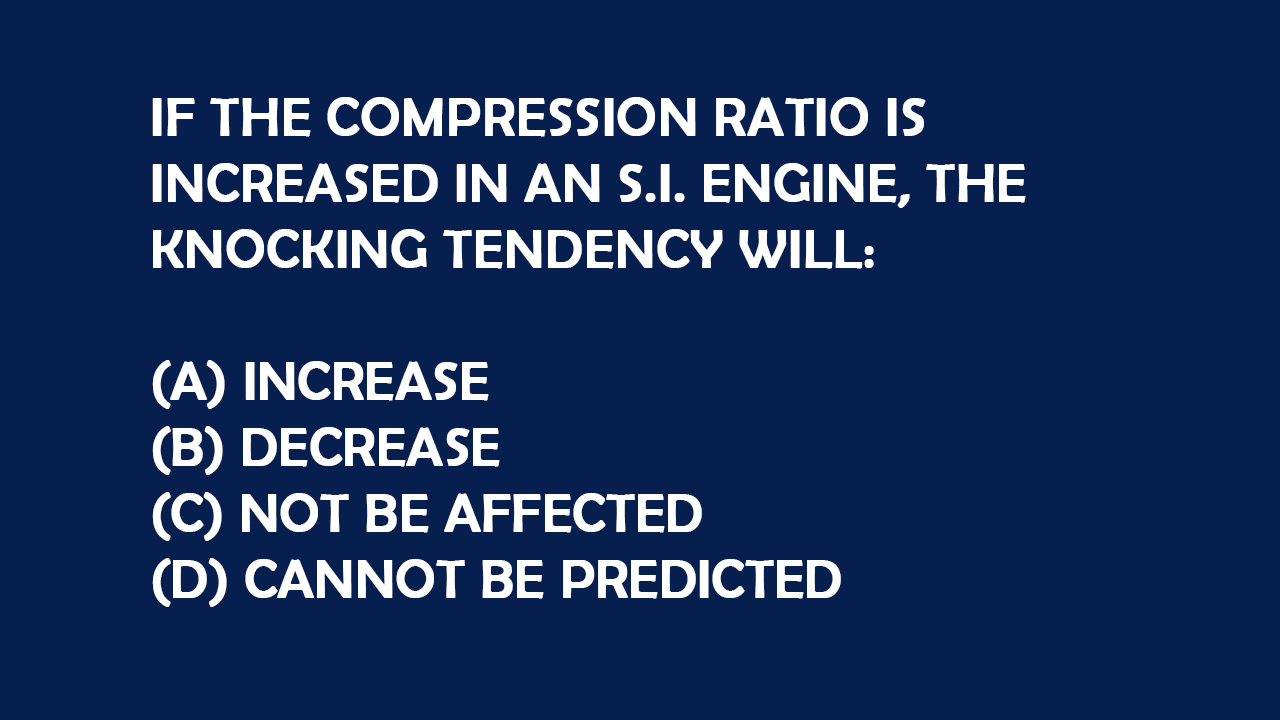
| Engine Knock Risk | Lower risk | Higher risk |
| Fuel Type | Can use lower-octane fuel | Needs higher-octane fuel |
Higher compression ratios boost power and fuel efficiency. But they may cause knocking if the fuel quality is low.

Credit: www.youtube.com
Impact On Performance
The engine compression ratio is a key factor in how a car performs. It affects the engine’s efficiency and power.
A higher compression ratio generally means the engine can produce more power. This happens because the fuel burns more completely.
Power Output And Torque
Compression ratio affects power output and torque in many ways. Higher compression can increase both, improving the engine’s strength.
| Compression Ratio | Power Output | Torque |
| 8:1 | Low | Low |
| 10:1 | Medium | Medium |
| 12:1 | High | High |
Acceleration And Responsiveness
Engines with higher compression respond faster. They give quick acceleration and feel more lively on the road.
- Better fuel combustion
- Faster throttle response
- Improved engine efficiency
- Stronger power delivery
Fuel Efficiency And Emissions
The engine compression ratio affects how well a vehicle uses fuel. It also impacts the gases released from the engine.
Understanding this ratio helps improve fuel use and reduce pollution from cars.
Optimizing Fuel Consumption
A higher engine compression ratio can increase fuel efficiency. This means the engine uses less fuel for the same power.
- Improves the energy extracted from each fuel drop
- Leads to better mileage on the road
- Helps engines run smoother and cooler
- Reduces wasted fuel during combustion
Reducing Harmful Emissions
Engines with a proper compression ratio burn fuel cleaner. This lowers harmful gases released into the air.
| Compression Ratio | Effect on Emissions | Fuel Efficiency |
| Low (below 8:1) | Higher emissions of unburned fuel | Lower efficiency |
| Medium (8:1 to 10:1) | Moderate emissions | Better efficiency |
| High (above 10:1) | Lower emissions of CO and HC | Highest efficiency |
Choosing The Right Compression Ratio
The engine compression ratio affects how well an engine runs. It is the measure of how much the air-fuel mix is squeezed in the cylinder.
Picking the right compression ratio helps balance power and fuel use. It also affects engine life and emissions.
Factors Influencing Compression Ratio
Several things affect the best compression ratio for an engine. These include the type of fuel and engine design.
Higher compression needs high-octane fuel to avoid knocking. The engine’s cooling system also plays a role.
- Fuel type and octane rating
- Engine material and design
- Cooling system efficiency
- Intended use of the engine
- Environmental regulations
Balancing Performance And Efficiency
A high compression ratio can boost engine power. It also improves fuel efficiency by burning fuel more fully.
Too high compression can cause engine damage and more emissions. A balanced ratio gives good power and saves fuel.
- High compression increases power and fuel use efficiency
- Low compression reduces knocking risk and emissions
- Matching compression to fuel prevents engine damage
- Proper balance extends engine life

Credit: www.mdpi.com
Frequently Asked Questions
What Is Engine Compression Ratio?
Engine compression ratio is the comparison of the cylinder’s volume when the piston is at the bottom versus the top.
How Does Compression Ratio Affect Engine Power?
Higher compression ratios usually increase engine power by allowing more efficient fuel burning.
Why Is Compression Ratio Important For Fuel Efficiency?
A good compression ratio helps the engine burn fuel better, saving fuel and reducing waste.
Can Compression Ratio Impact Engine Durability?
Yes, too high compression can cause engine knocking, which may damage engine parts over time.
How Is Compression Ratio Measured In Engines?
It is measured by dividing the total cylinder volume by the volume when the piston is at the top.
Conclusion
Engine compression ratio affects how well an engine works. Higher compression means better fuel use and more power. Too high compression can cause engine problems. It helps to know your engine’s ratio for good maintenance. This keeps your vehicle running smooth and saves money.
Understanding compression ratio guides smart choices in car care. It plays a key role in engine health and performance. Simple knowledge can lead to better driving experience. Keep this in mind for your next vehicle check.