

Last Updated on April 15, 2026
Have you ever wondered what happens behind the scenes when you press play in your car? Your car audio system is more than just speakers and a radio—it’s a carefully designed setup that turns electrical signals into the music you love.
Understanding how your car audio system works can help you get the best sound experience every time you drive. You’ll discover the key parts of your system and how they work together to bring your favorite tunes to life. Ready to unlock the secrets of your car’s sound?
Let’s dive in.

Credit: mobileaudio.com.au
Car Audio System Components
Car audio systems have many parts that work together. These parts help play music clearly and loudly.
Understanding the main components helps you know how sound reaches your ears in the car.
Head Units And Sources
The head unit is the control center of a car audio system. It lets you choose music and adjust settings.
Sources include radios, CDs, USB drives, and Bluetooth devices. They send audio signals to the system.
- Radio tuner for AM/FM stations
- CD player for discs
- USB ports for flash drives
- Bluetooth for wireless devices
- Auxiliary input for external players
Amplifiers And Their Role
Amplifiers make the audio signals stronger. They increase the power to drive the speakers well.
Without amplifiers, sounds would be weak and quiet. Amplifiers help music sound clear and loud.
- Boost audio signals from the head unit
- Power speakers and subwoofers
- Improve sound quality and volume
- Can be built-in or separate units
Speakers And Subwoofers
Speakers convert electrical signals into sound waves you hear. Different types handle different sounds.
Subwoofers produce low bass sounds. They add depth and richness to music in the car.
- Tweeters: high-frequency sounds
- Mid-range: middle sounds like voices
- Woofers: low-frequency sounds
- Subwoofers: very low bass tones
Wiring And Connectivity
Wiring connects all parts of the audio system. It carries power and audio signals between components.
Good wiring ensures clear sound and prevents signal loss or interference.
- Power wires supply electricity to the system
- Speaker wires carry audio signals to speakers
- RCA cables connect head units to amplifiers
- Ground wires prevent electrical noise
Credit: carbuzz.com
Signal Flow In Car Audio
Car audio systems send sound from a source to the speakers inside your car. The signal passes through several parts to make the music clear and loud.
Understanding how the signal moves helps you know how each part affects the sound quality.
From Source To Speaker
The audio signal starts at the source, like a radio or phone. It then flows through wires to the amplifier. The amplifier makes the signal stronger. Finally, the signal reaches the speakers, which turn it into sound you can hear.
- Audio source (radio, phone, CD player)
- Head unit (controls playback and volume)
- Amplifier (boosts the signal power)
- Wiring (connects components)
- Speakers (produce sound)
Role Of Crossovers
Crossovers split the audio signal by frequency. They send low sounds to woofers and high sounds to tweeters. This prevents speakers from trying to play sounds they cannot handle well.
| Frequency Range | Speaker Type |
| 20 Hz – 200 Hz | Subwoofer (bass) |
| 200 Hz – 2,000 Hz | Midrange speaker |
| 2,000 Hz – 20,000 Hz | Tweeter (highs) |
Signal Processing Techniques
Signal processing changes the audio signal before it reaches the speakers. It can improve sound clarity or add effects. Common methods include equalization and time alignment.
- Equalization (adjusts bass, mid, and treble levels)
- Time alignment (syncs sound arrival from each speaker)
- Dynamic range compression (balances loud and soft sounds)
- Noise reduction (removes unwanted background noise)
Achieving Clear Sound
Clear sound in car audio systems depends on many factors. Good sound comes from proper setup and tuning.
Understanding how each part works helps improve your listening experience. Small changes make a big difference.
Speaker Placement Tips
Where you place speakers affects sound quality. Sound spreads differently depending on location.
Place speakers at ear level for better clarity. Avoid blocking speakers with objects or seats.
- Front doors are good for mid-range speakers
- Rear deck or side panels work for rear speakers
- Tweeters should be near the dashboard or pillars
- Keep speakers away from windows for less echo
Tuning And Equalization
Tuning balances the sound frequencies for clear audio. Equalizers adjust bass, midrange, and treble levels.
Start with flat settings, then adjust to your liking. Avoid extreme boosts to prevent distortion.
- Increase bass for deeper low sounds
- Adjust midrange for clear vocals
- Raise treble for sharp highs
- Use small changes for best results
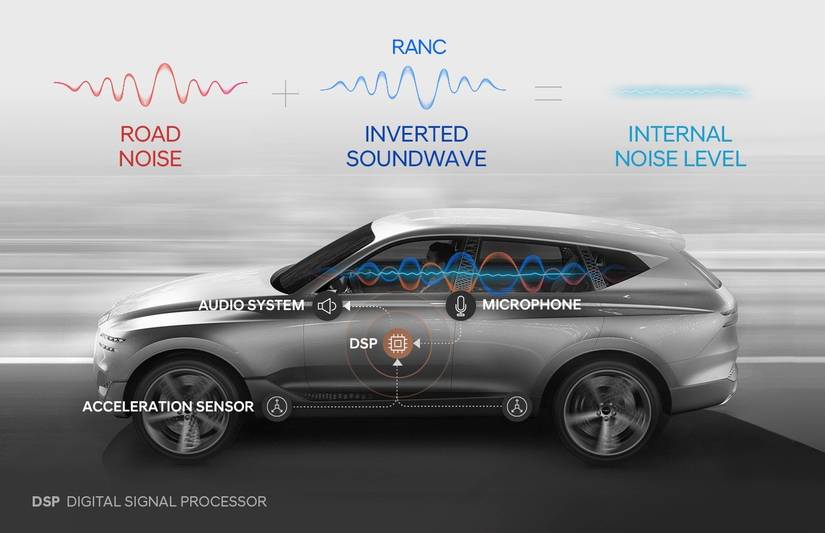
Reducing Noise And Interference
Noise and interference can ruin sound quality. Common sources are engine noise and electrical signals.
Use shielded cables and keep wires away from the engine. Check for loose connections regularly.
- Install noise filters if needed
- Ground your audio system properly
- Use quality cables and connectors
- Keep wiring organized and separated
Upgrading Your System
Upgrading your car audio system can greatly improve sound quality. It lets you enjoy music with clearer sound and better bass.
You can start by replacing old parts or adding new components. Careful choices and proper installation make a big difference.
Choosing Quality Components
Good components give you better sound and longer use. Look for speakers, amplifiers, and head units that fit your needs.
- Pick speakers with clear sound and strong bass
- Choose amplifiers that match your speakers’ power
- Select a head unit with easy controls and good features
- Use quality wiring and connectors to avoid signal loss
Installation Best Practices
Proper installation keeps your system safe and working well. It prevents damage and ensures clear sound without noise.
| Installation Tip | Why It Matters |
| Secure all wires tightly | Stops loose connections and shorts |
| Use sound dampening material | Reduces vibrations and noise |
| Place speakers correctly | Improves sound balance inside the car |
| Test system before final assembly | Finds problems early and saves time |
Maintaining Performance Over Time
Keep your audio system working well by regular care. Simple steps help avoid damage and sound loss.
- Clean speakers and components gently
- Check wires for wear or loose ends
- Avoid playing music at very high volumes often
- Store the car in dry places to protect electronics

Credit: www.reddit.com
Frequently Asked Questions
How Does A Car Audio System Produce Sound?
A car audio system turns electrical signals into sound waves using speakers inside the car.
What Are The Main Parts Of A Car Audio System?
The key parts include the head unit, amplifier, speakers, and wiring.
How Does The Amplifier Improve Car Audio Quality?
An amplifier boosts weak audio signals, making the sound louder and clearer.
Can Car Audio Systems Play Music From Phones?
Yes, most systems connect to phones via Bluetooth, AUX, or USB for music playback.
Why Are Speaker Placement And Size Important In Cars?
Proper placement and size help create better sound balance and improve listening experience.
Conclusion
Car audio systems bring music to life inside your vehicle. They use parts like speakers, amplifiers, and head units to create sound. Each component plays a key role in making audio clear and strong. Understanding how these parts work helps you enjoy better sound quality.
Next time you listen to music in your car, think about the system behind it. It’s not just noise; it’s technology working for your ears. This simple knowledge can improve your listening experience every day.