

Last Updated on June 17, 2026
Have you ever felt your brakes losing power just when you need them most? That scary moment is called brake fade, and it can put your safety at serious risk.
Understanding what causes brake fade and how to prevent it can keep you in control and protect everyone on the road. You’ll discover the key reasons behind brake fade and simple steps you can take to stop it from happening to your vehicle.
Keep reading—your safety depends on it.

Credit: simonsautorepairtaunton.com
Common Causes Of Brake Fade
Brake fade happens when your brakes lose power during use. It can be dangerous if you don’t know why it happens.
Understanding the common causes helps you keep your brakes working well. This guide explains three main reasons for brake fade.
Overheating From Excessive Use
Brakes get very hot after long or hard use. This heat makes the brake parts less effective. Overheating can cause the brake pads and rotors to wear out faster.
- Driving down steep hills for a long time
- Braking hard repeatedly
- Riding the brakes too much
Brake Fluid Contamination
Brake fluid helps move the brake parts. If the fluid gets dirty or has water inside, it can cause problems. Contaminated fluid boils at a lower temperature, leading to brake fade.
| Brake Fluid Condition | Effect on Brakes |
| Clean Fluid | Good brake response |
| Dirty Fluid | Reduced brake power |
| Water in Fluid | Brake fade from boiling |
Worn Brake Components
Brake pads, rotors, and shoes wear down with use. Worn parts reduce braking force. This wear can cause the brakes to fade and feel weak.
Signs of worn brake parts:
- Longer stopping distances
- Squealing or grinding noises
- Brake pedal feels soft or spongy
Effects Of Brake Fade On Vehicle Safety
Brake fade happens when brakes lose their power after heavy use. It makes stopping a vehicle harder and less safe. Understanding how brake fade affects safety helps drivers stay cautious.
This article explains three key effects of brake fade. Each effect impacts how well a driver can control the vehicle and avoid accidents.
Reduced Stopping Power
Brake fade lowers the brakes’ ability to stop the car quickly. The brake pads and discs get too hot. This heat reduces friction, so the brakes do not work well.
- Brake pads become less effective
- Brake fluid can boil, causing softness
- Less friction means weaker braking force
Increased Stopping Distance
With brake fade, your car takes longer to stop. This longer distance can cause crashes, especially in emergencies. Drivers may not have enough road to stop safely.
| Condition | Stopping Distance |
| Normal Brakes | 30 feet |
| Brake Fade | 50 feet |
| Wet Road + Brake Fade | 70 feet |
Loss Of Driver Control
Brake fade can cause the driver to lose control. The car may drift or skid if the brakes fail. This loss of control makes accidents more likely.
Ways brake fade causes control loss:
- Poor brake response time
- Uneven braking on wheels
- Unexpected brake pedal feel
- Difficulty in emergency maneuvers
Techniques To Prevent Brake Fade
Brake fade happens when brakes lose their power after heavy use. It can make stopping harder and increase accident risks.
Using the right techniques helps keep brakes strong and safe. These tips help drivers avoid brake fade problems.
Proper Brake Maintenance
Keep your brakes clean and check them often. Dirt and wear can cause brakes to work poorly and heat up fast.
Replace worn-out parts like brake pads and rotors quickly. Good maintenance helps brakes cool down and work well.
Using High-quality Brake Pads
Choose brake pads made from strong materials. Cheap pads wear out fast and get hot easily, causing fade.
Good brake pads keep friction steady and resist heat better. This helps stop fade during long or hard braking.
- Semi-metallic pads offer good heat resistance
- Ceramic pads provide smooth stopping and less dust
- Organic pads are quiet but may wear faster
Regular Brake Fluid Checks
Brake fluid helps move brake parts and transfer pressure. Old fluid can boil and cause brake fade.
Check brake fluid levels and quality often. Change the fluid as the car maker advises to keep brakes working well.
- Look for dark or dirty brake fluid
- Replace fluid every 1-2 years or per manual
- Use the brake fluid type recommended by the car maker
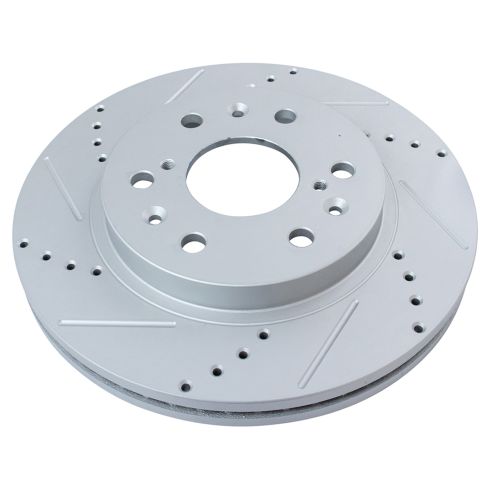
Credit: blog.1aauto.com
Driving Habits To Minimize Brake Fade
Brake fade happens when brakes get too hot and lose power. Good driving habits help keep brakes cool and working well. This guide shows ways to reduce brake fade while driving.
Learning how to use your brakes wisely can make your trips safer. It also helps your brake system last longer without losing strength.
Avoiding Excessive Braking
Pressing the brake pedal too much heats the brake parts quickly. This can cause brake fade and reduce stopping power. Instead, try these habits to avoid heavy braking.
- Keep a safe distance from the car ahead to brake gently.
- Look ahead and slow down early without sudden stops.
- Use engine braking by easing off the accelerator.
- Avoid riding the brakes on long drives.
Downshifting On Descents
Using lower gears on downhill roads helps slow the vehicle. This reduces the need to press brakes hard and stops brake parts from overheating.
| Gear Used | Effect on Speed | Brake Use |
| High Gear | Speed stays high | Brake often |
| Lower Gear | Engine slows car | Brake less |
Allowing Cooling Periods
Brakes need time to cool after heavy use. Stopping or driving slowly lets heat leave the brakes. This keeps them ready to work well next time.
Tips for Cooling Brakes:
- Stop and rest on long downhill routes.
- Avoid parking with brakes fully applied after hard use.
- Drive gently after heavy braking to lower brake temperature.

Credit: simonsautorepairtaunton.com
Frequently Asked Questions
What Causes Brake Fade During Driving?
Brake fade happens when brakes overheat, reducing stopping power and causing slower response.
How Does Overheating Lead To Brake Fade?
Heat breaks down brake fluid and pads, making brakes less effective and unsafe.
Can Worn Brake Pads Cause Brake Fade?
Yes, worn pads create less friction, which can increase the chance of brake fade.
How Can I Prevent Brake Fade In My Car?
Avoid heavy braking for long periods and check brake fluid and pads regularly.
Does Driving Downhill Increase The Risk Of Brake Fade?
Yes, continuous braking downhill causes brakes to heat up quickly, leading to fade.
Conclusion
Brake fade happens when brakes get too hot or worn out. It reduces your car’s stopping power and can be dangerous. Regular brake checks help catch problems early. Use quality brake parts and avoid riding the brakes downhill. Let brakes cool down during long drives.
Safe driving and proper brake care keep you in control. Stay alert and maintain your brakes to prevent brake fade. Your safety depends on it.