

Last Updated on June 17, 2026
When it comes to your vehicle’s safety, understanding the difference between disc and drum brakes can make a big difference. You might have heard these terms before, but do you really know how they work or why one might be better for your car than the other?
Knowing this can help you make smarter choices when it’s time for maintenance or upgrades. Keep reading to discover exactly how disc and drum brakes differ, and find out which one suits your driving needs best. This simple knowledge could save you money and keep you safer on the road.

Credit: www.cjponyparts.com
Types Of Brakes
Brakes are essential for vehicle safety. They help slow down or stop cars and bikes.
There are two main types of brakes: disc brakes and drum brakes. Each type works differently.
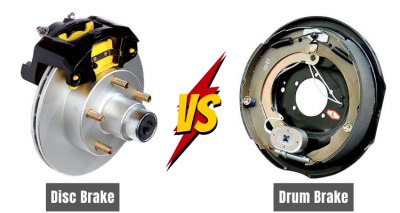
Disc Brake Design
Disc brakes use a flat metal disc that spins with the wheel. When you press the brake, brake pads squeeze the disc.
- Brake pads clamp on the disc to stop the wheel.
- The disc is visible behind the wheel.
- Disc brakes cool down quickly, reducing brake fade.
- They work well in wet and dry conditions.
Drum Brake Design
Drum brakes use a round drum that spins with the wheel. Inside the drum, brake shoes press outward to stop the wheel.
| Feature | Disc Brake | Drum Brake |
| Design | Flat disc with pads | Round drum with shoes |
| Cooling | Better cooling | Less cooling |
| Visibility | Visible disc | Hidden drum |
| Performance | Strong in wet and dry | Less strong in wet |
| Maintenance | Easier to check | Harder to check |

Credit: batteryswapcabinet.com
Performance Comparison
Disc and drum brakes are the two main types of brakes used in vehicles. Both work to stop the car, but they perform differently. Understanding their performance helps in choosing the right brake system.
We will look at how disc and drum brakes compare in stopping power and heat dissipation. These factors affect safety and brake life.
Stopping Power
Disc brakes provide better stopping power than drum brakes. They grip the wheel faster and more evenly. This makes them more reliable in sudden stops.
Drum brakes can lose some stopping strength under heavy use. This is because their parts may not grip as quickly or as well as discs.
- Disc brakes stop the car quicker
- Disc brakes offer consistent performance
- Drum brakes may fade with continuous use
- Disc brakes work better in wet conditions
Heat Dissipation
Disc brakes cool down faster than drum brakes. They have an open design that lets air pass through easily. This helps prevent overheating.
Drum brakes trap heat inside the drum. This can cause the brakes to become less effective after long use. Overheated brakes may lead to brake fade.
- Disc brakes cool quickly with air flow
- Drum brakes hold heat inside the drum
- Better cooling means safer braking
- Disc brakes reduce risk of brake fade
Maintenance And Durability
Disc and drum brakes differ in how they handle wear and tear. Their maintenance needs also vary. Understanding these differences helps keep your vehicle safe and running well.
This guide explains the maintenance and durability aspects of both brake types. It focuses on wear patterns and service needs.
Wear And Tear
Disc brakes wear more evenly because the pads press flat against the rotor. Drum brakes wear on the inside surface, which can cause uneven wear.
- Disc brakes cool faster, reducing damage from heat.
- Drum brakes can trap heat, leading to faster wear.
- Disc brake pads are easier to inspect for wear.
- Drum brake shoes wear slower but may cause more noise.
Service Requirements
Disc brakes require less frequent service than drum brakes. Drum brakes need more adjustments and cleaning to work well.
| Brake Type | Service Frequency | Common Tasks |
| Disc Brakes | Less often | Pad replacement, rotor checks |
| Drum Brakes | More often | Shoe adjustment, drum cleaning, lubrication |
Cost And Application
Disc and drum brakes are common in vehicles. They differ in cost and use. Understanding these differences helps in choosing the right brake system.
This article covers manufacturing costs and common uses of disc and drum brakes in vehicles.
Manufacturing Costs
Disc brakes generally cost more to produce than drum brakes. Their parts require precise machining and better materials.
- Disc brakes use rotors made from cast iron or composites.
- Drum brakes have a simpler design with fewer parts.
- Disc brake pads wear faster but are easier to replace.
- Drum brake shoes last longer but require more labor to service.
The higher cost of disc brakes comes from better performance and heat dissipation.
Common Uses In Vehicles
| Brake Type | Vehicle Type | Typical Position | Reason |
|---|---|---|---|
| Disc Brakes | Cars, motorcycles, trucks | Front and sometimes rear wheels | Better stopping power and heat control |
| Drum Brakes | Economy cars, older vehicles, trucks | Rear wheels | Lower cost and parking brake integration |
Disc brakes suit vehicles needing strong, reliable stops. Drum brakes fit where cost savings matter more.
Credit: deshibiker.com
Frequently Asked Questions
What Are The Main Differences Between Disc And Drum Brakes?
Disc brakes use a rotor and caliper, while drum brakes use a drum and shoes to stop the vehicle.
Which Brake Type Is More Effective For Stopping Power?
Disc brakes generally offer better stopping power and heat dissipation than drum brakes.
Why Do Some Cars Still Use Drum Brakes?
Drum brakes are cheaper and work well for rear wheels or smaller vehicles.
How Does Heat Affect Disc And Drum Brakes Differently?
Disc brakes cool faster, reducing brake fade, while drum brakes retain more heat, causing performance loss.
Which Brake Type Requires Less Maintenance And Lasts Longer?
Disc brakes usually need less maintenance and last longer due to better heat management.
Conclusion
Disc brakes cool down faster and stop vehicles more quickly. Drum brakes hold dirt better and cost less to make. Each type suits different driving needs and car models. Knowing these differences helps you understand how brakes work. Choose the right brake type for your safety and comfort.
Both play important roles in vehicle control and safety. Simple facts to remember when thinking about brake systems.